If you’re struggling with thinning hair, dryness, or lackluster strands, amla hair oil might be the natural solution you’ve been searching for. Derived from Indian gooseberry (Phyllanthus emblica), this Ayurvedic staple is packed with vitamin C, antioxidants, and anti-inflammatory compounds that nourish the scalp, strengthen follicles, and support healthy hair growth. Research shows that consistent use of amla oil can lead to noticeable improvements in hair thickness and scalp health within 8 to 12 weeks.
But knowing how to use amla oil correctly is just as important as using it. Applying too much, leaving it on too long, or choosing a low-quality product can reduce effectiveness or even cause buildup and irritation. This guide breaks down the best application methods, ideal frequency, and proven techniques to help you maximize results.
Choose High-Quality Amla Oil for Maximum Benefits
Not all amla oils are created equal. For best results, select 100% pure, cold-pressed, unrefined, and organic amla oil. Avoid products with synthetic dyes, fragrances, or preservatives, which can irritate the scalp and reduce efficacy.
Look for Pure, Cold-Pressed Formulas
When shopping for amla oil, check the label carefully. Opt for oils stored in dark glass bottles (amber or brown) to protect from light degradation. Most pure amla oils last 12 months when kept in a cool, dry place. Look for terms like virgin, non-GMO, cruelty-free, and solvent-free extraction.
Avoid Comedogenic Additives
Some commercial blends include oils that may clog pores, especially around the hairline or forehead. Steer clear of formulations with heavy silicones or comedogenic bases if you’re acne-prone. Do a patch test before full application by applying 2 to 3 drops behind your ear or on your inner forearm and waiting 24 hours.
Warm the Oil Before Application
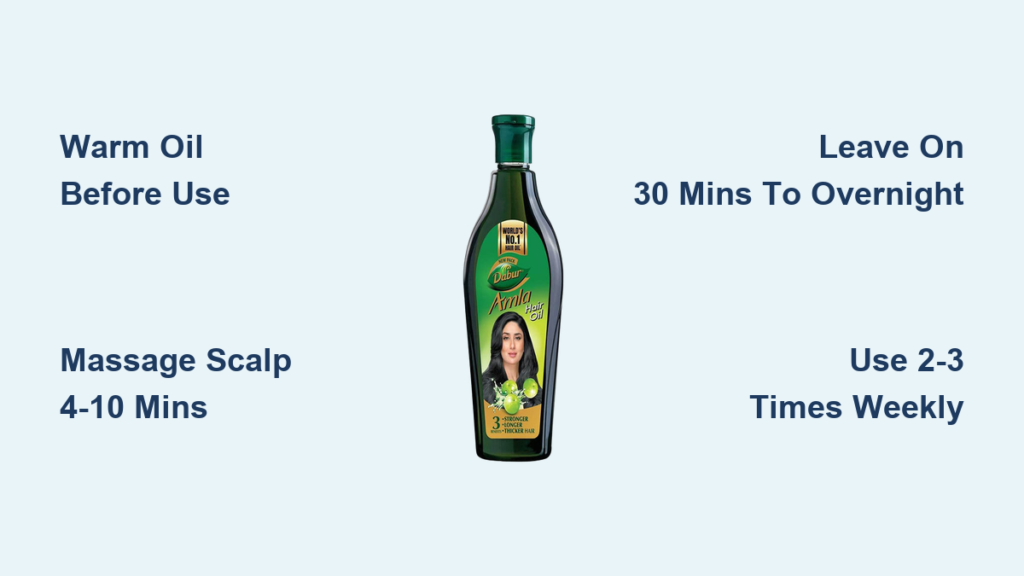
Cold oil is harder to apply and absorbs poorly. Warming amla oil improves its texture, boosts blood flow to the scalp, and increases penetration into hair follicles.
How to Warm Safely
Dispense 5 to 10 drops for short hair or up to one-quarter cup for long or thick hair into a glass or ceramic bowl. Place the bowl in a cup of hot water for 2 to 3 minutes. Test the temperature on your wrist. It should feel warm, not hot. Never microwave the oil, as overheating can degrade active compounds and increase burn risk.
Apply Directly to Scalp and Hair

Amla oil works best when applied directly to the scalp, where it can nourish follicles. Use fingertips or a dropper to part your hair and apply oil in small sections.
Target Key Areas
Focus on the crown, temples, nape of the neck, part lines, and thin or damaged zones. Massage gently using circular motions to stimulate circulation and ensure even coverage. After treating the scalp, run excess oil down the length of your hair, focusing on mid-shaft to ends to prevent frizz and split ends. The scalp should look lightly coated, not soaked or dripping.
Massage for 4 to 10 Minutes
Massaging isn’t just soothing. It’s a critical step for hair growth. Studies show scalp massage increases blood flow to follicles, delivering oxygen and nutrients essential for growth.
Optimal Massage Technique
Use fingertips (not nails) to massage in small circles. Cover the entire scalp systematically: front, sides, back, and crown. Duration should be 4 to 10 minutes per session.
Try the Inversion Method
For extra stimulation, bend forward at the waist or hang your head over the edge of your bed. Stay inverted for 4 minutes while massaging. This gravity-assisted technique enhances blood flow to the hair roots. One woman recovering from anemia-related hair loss reported improved strength and thickness after just 7 days of nightly massage plus inversion.
Leave On for 30 Minutes to Overnight
How long you leave amla oil in your hair impacts results, but overdoing it can cause clogged follicles. Minimum duration is 30 minutes for quick treatments. Overnight (6 to 8 hours) is optimal for deep conditioning and maximum absorption. Limit overnight use to once every 1 to 2 weeks to prevent buildup. Wear a shower cap or wrap hair in a dark towel to protect bedding, as amla oil may temporarily stain light fabrics.
Wash Out Thoroughly
Leaving oil behind can weigh hair down and block pores. Rinse thoroughly with warm water until no greasy film remains.
Proper Cleansing Steps
Use a sulfate-free shampoo to gently remove oil without stripping natural moisture. Lather twice if needed, focusing on the scalp. Follow with conditioner only on ends. Every few weeks, use a clarifying shampoo or co-wash to deep-cleanse buildup. Avoid harsh sulfates like SLS, which can dry out hair and negate amla’s benefits.
Use 2 to 3 Times Per Week
Daily use isn’t necessary and may backfire. Over-application can lead to greasiness, clogged pores, and scalp imbalance.
Adjust Based on Hair Type
For fine or oily hair, use 1 to 2 times per week with lightweight application. For thick, curly, or dry hair, use 2 to 3 times per week with more generous coverage. Visible improvements typically appear after 8 to 12 weeks of consistent use.
Try a Pre-Wash Detangler Treatment
Dry, tangled hair is prone to snapping during shampooing. Amla oil acts as a protective pre-wash conditioner.
How to Apply
Apply warmed oil to dry, unwashed hair, focusing on ends. Use a wide-tooth comb to detangle gently. Optional: Use a blow dryer on low heat for 5 to 10 minutes to help oil penetrate. Proceed with regular shampoo and conditioner. This minimizes friction and breakage, especially in curly or coily textures.
Make an Amla Hair Mask with Powder
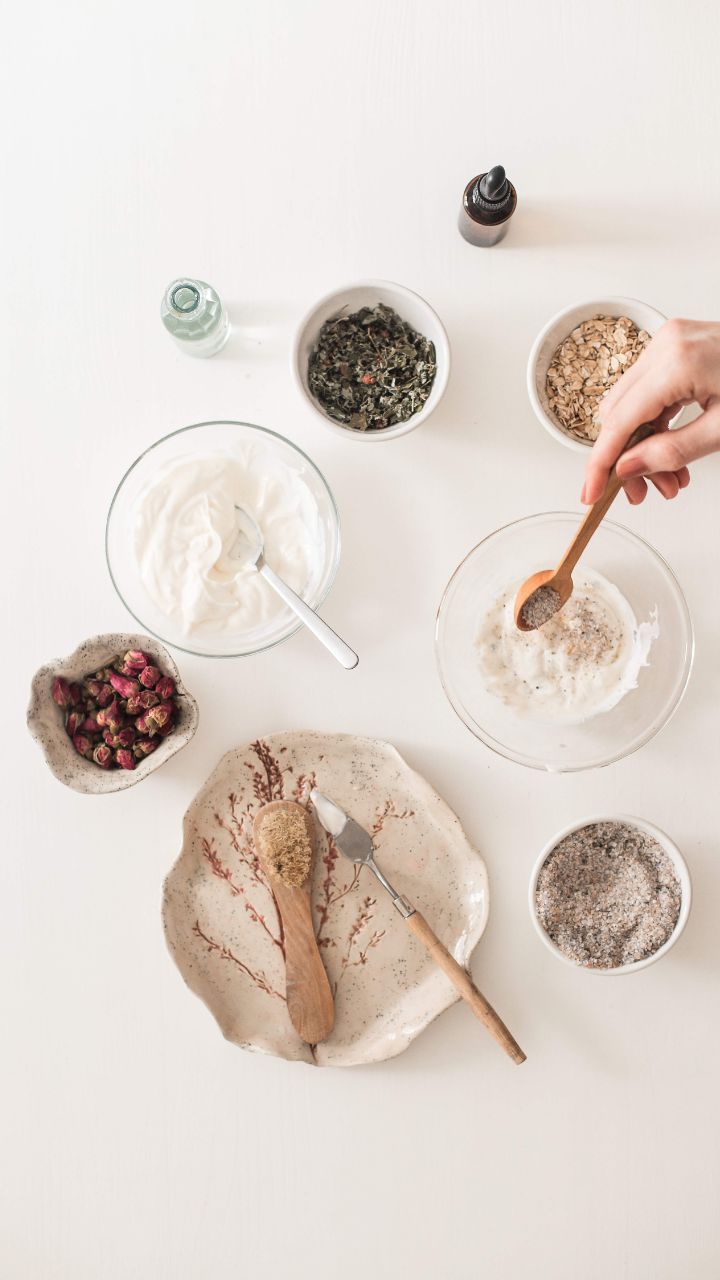
Amla powder offers the same benefits as oil but in a customizable, additive-free format.
Basic Mask Recipe
Mix 2 to 3 tablespoons of amla powder with water, coconut milk, or a carrier oil like sesame or jojoba. Mix into a smooth paste, adjusting thickness as needed. Apply evenly to scalp and hair. Optional boosters include bhringraj for enhanced growth, turmeric for inflammation reduction, and saffron for improved shine and circulation. Leave on for 30 minutes to 2 hours, or overnight. Rinse thoroughly with lukewarm water and mild shampoo. Note that amla powder may temporarily darken gray or light-colored hair with repeated use.
Use as a Lightweight Scalp Tonic
For ongoing scalp health or sensitive skin, use amla oil in small doses without rinsing.
Application Method
Use 2 to 5 drops on fingertips. Massage into part lines and thinning areas. No rinse needed, so it can be used before washing. This works best in summer months when heavy oils feel greasy, for oily scalps needing balance, and for preventing dandruff and flaking. Apply in the morning or during cooler seasons for best tolerance.
Combine with Other Ayurvedic Herbs
Amla works even better when paired with traditional Ayurvedic herbs known for hair benefits. Powerful combinations include amla plus bhringraj for clinically supported follicle stimulation, amla plus turmeric for anti-inflammatory and antifungal benefits that reduce scalp irritation, and amla plus saffron to boost circulation and add luster. Mix powders into masks or choose commercial blends containing these synergies. Trichologist Daboju Ogboru recommends combining amla with bhringraj and turmeric for enhanced scalp treatment.
Support Growth with Diet and Lifestyle
While topical amla oil strengthens hair externally, internal health plays a major role in growth.
Internal Support Tips
Eat iron-rich foods like spinach, lentils, and red meat if dealing with anemia-related hair loss. Include biotin, protein, and omega-3s in your diet. Consider oral amla supplements, but consult a doctor first since they’re not well-regulated. Avoid tight hairstyles, heat styling, chemical processing, and UV exposure. Manage stress through mindfulness, yoga, or breathing exercises, as chronic stress triggers excessive shedding.
Exfoliate Scalp Monthly
Oil buildup, dead skin, and product residue can block follicles and hinder growth.
Gentle Exfoliation Methods
Mix 1 cup oil plus one-half cup sugar plus 2 tablespoons rose water for a scrub. Massage into scalp, then rinse. Alternatively, try enzymatic masks like papaya plus amla blend to dissolve dead cells naturally. Exfoliate 1 to 2 times per month. Cleaner follicles mean better oil absorption and improved growth conditions.
Monitor Results and Adjust
Hair growth is slow, so track changes to stay motivated.
How to Monitor Progress
Take monthly photos under consistent lighting. Count hairs on your brush or in the drain weekly. Note changes in texture, shine, and shedding. Expected timeline shows less breakage, improved softness, and reduced frizz in weeks 1 to 4. Thicker appearance and less shedding appear in weeks 5 to 8. Possible new growth, especially at temples and hairline, shows in weeks 8 to 12. A 2024 randomized trial found significant improvement in hair density after 12 weeks of amla use.
Address Common Concerns
Amla oil has a strong, earthy smell due to high vitamin C content. It may linger for 1 to 2 days. Use a scented conditioner or essential oil blend like lavender to mask it. The oil can discolor pillowcases and towels. Use dark-colored linens or wear a shower cap. Overuse leads to greasy roots and dullness. Combat with clarifying washes every 2 to 3 weeks.
Safety and Precautions
Amla oil is generally safe for topical use, but follow these guidelines. Always patch test before full use. Avoid eye contact. Use cautiously on acne-prone facial skin, as it may be comedogenic. Do not apply to broken or inflamed skin. Do not substitute for medical treatment in cases of alopecia or hormonal hair loss. Do not use oral supplements without consulting a healthcare provider. Topical use during pregnancy is likely safe, but consult your doctor before taking amla internally.
Frequently Asked Questions About Amla Hair Oil
Does amla oil help hair grow?
Yes. Research suggests it may extend the anagen (growth) phase and improve follicle health over 8 to 12 weeks of consistent use.
Can I leave amla oil overnight?
Yes, but limit to 1 to 2 times per week to avoid clogged pores and buildup.
Is amla oil good for all hair types?
Yes. It works well on curly, coily, straight, colored, and chemically treated hair. Adjust amount based on thickness.
Does amla oil prevent graying?
It may slow graying due to antioxidant activity, but it won’t reverse existing gray hair.
Can I use amla oil on eyebrows or eyelashes?
Yes. Apply 1 to 2 drops nightly with a clean spoolie to condition and strengthen.
Does amla oil clog pores?
Potentially. Use sparingly on facial skin or hairline if prone to acne.
Key Takeaways for Using Amla Hair Oil
Amla hair oil isn’t a miracle cure, but it’s one of the most scientifically supported and accessible tools for healthier hair. When used correctly, it strengthens strands, soothes the scalp, reduces breakage, and creates the ideal environment for growth. Start with a patch test and use pure, high-quality oil in dark glass packaging. Warm the oil before applying for better spread and absorption. Massage for 4 to 10 minutes, including inversion for blood flow. Leave on 30 minutes to overnight, then rinse thoroughly. Use 2 to 3 times per week and combine with bhringraj, turmeric, or saffron for stronger effects. Stay consistent, as results take 8 to 12 weeks. Support with diet, low stress, and gentle care. Track progress with photos and shedding logs. Backed by both Ayurvedic wisdom and modern research, amla oil is a proven foundation for anyone serious about natural hair growth.