
If you’re losing hair or noticing thinning strands, you’re not alone, and pumpkin seed oil might be the natural solution you’ve been searching for. Backed by clinical research, pumpkin seed oil for hair growth works by blocking DHT (a hormone linked to balding), nourishing follicles, and improving scalp health. Studies show it can boost hair count by up to 40% in just six months, matching minoxidil’s results in women with fewer side effects. Whether applied topically or taken orally, this nutrient-rich oil delivers zinc, omega-3s, vitamin E, and phytosterols directly where they’re needed.
In this guide, you’ll learn exactly how to use pumpkin seed oil effectively, from dosage and timing to DIY treatments and product picks, all based on proven science.
Apply Topically for Scalp Nourishment

Topical application delivers pumpkin seed oil’s active compounds directly to hair follicles, helping reduce inflammation, block DHT locally, and strengthen the scalp barrier.
Massage Into Scalp Regularly
Part your hair into sections and apply one teaspoon of cold-pressed pumpkin seed oil directly to the scalp using a dropper or fingertips. Focus on thinning areas like the crown or hairline. Gently massage in circular motions for five to ten minutes to stimulate blood flow and enhance absorption. Avoid using nails to prevent micro-tears.
Pro Tip: Warm the oil slightly between your palms before applying. Never exceed 104 degrees Fahrenheit to improve penetration without damaging nutrients.
Choose Your Treatment Duration
For best results, tailor how long you leave the oil on based on your hair goals:
- 30-minute pre-shampoo treatment: Ideal for detangling and protecting hair during cleansing.
- Overnight deep repair: Cover with a satin bonnet and wash out in the morning for maximum absorption, especially beneficial for dry or damaged hair.
Leaving the oil on longer increases follicle exposure, but always follow up with a thorough wash using a sulfate-free shampoo. You may need two washes to fully remove residue.
Prevent Greasiness and Buildup
Overuse can lead to clogged pores or an oily scalp. Limit applications to two to five times per week, depending on your hair type. If you have fine or oily hair, dilute pumpkin seed oil with a lighter carrier like jojoba or grapeseed oil in a one to one ratio to reduce heaviness while maintaining benefits.
Warning: Never apply undiluted essential oils directly. Always mix two to three drops per tablespoon of base oil to avoid irritation.
Combine With Essential Oils for Enhanced Results

Boost pumpkin seed oil’s effectiveness by blending it with essential oils that stimulate follicles and fight scalp issues.
Add Rosemary for DHT Blocking
Rosemary oil has been shown in studies to be as effective as minoxidil for hair growth. Mix two to three drops of rosemary essential oil per tablespoon of pumpkin seed oil. This combo enhances circulation and strengthens the oil’s ability to inhibit 5-alpha-reductase, the enzyme that produces DHT.
Use Peppermint to Stimulate Follicles
Peppermint oil creates a tingling sensation that signals increased blood flow to follicles. Add two drops per application to invigorate the scalp and encourage new growth. A 2014 mouse study found peppermint oil promoted faster and thicker hair growth compared to controls.
Fight Dandruff With Tea Tree Oil
If flakiness or scalp acne is a concern, add one to two drops of tea tree oil. Its antimicrobial properties help control Malassezia, a fungus linked to dandruff. This is especially helpful when using oil overnight, as prolonged contact can sometimes trap debris.
Blend Recipe: Combine one-half cup pumpkin seed oil, one-fourth cup jojoba oil, ten drops rosemary, and five drops tea tree. Store in a dark glass bottle and use one to two times weekly.
Take Orally to Block DHT Systemically
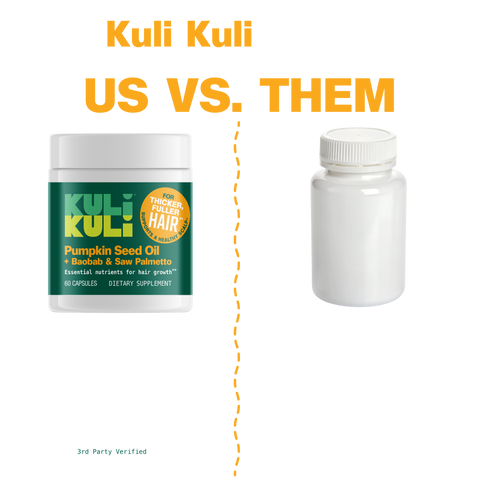
While topical use targets the scalp, oral supplementation reduces DHT throughout the body, making it essential for treating hormonal hair loss.
Follow Clinically Proven Dosage
The 2014 human trial showed that 400 mg of pumpkin seed oil daily significantly increased hair count in men with androgenetic alopecia after 24 weeks. Most experts recommend 400 to 1000 mg per day, split into two doses with meals for better fat-soluble nutrient absorption.
Start low: Begin with 400 mg and increase gradually to assess tolerance and minimize digestive side effects.
Choose High-Quality Capsules
Not all supplements are equal. Look for:
- GMP-certified brands (e.g., NOW Foods)
- Third-party testing (Certificate of Analysis available)
- No fillers, artificial additives, or allergens
Softgels labeled “cold-pressed” or “high in phytosterols” ensure potency. Avoid cheap alternatives that may contain heat-extracted or diluted oil.
Watch for Side Effects
Some users report mild bloating, diarrhea, or nausea, especially at higher doses. These usually subside with time or by reducing intake. Because pumpkin seed oil may lower blood pressure and blood sugar, consult your doctor if you’re on hypertension or diabetes medications.
Allergy Alert: Avoid if you have a known sensitivity to seeds or cucurbits (like squash or cucumber).
Ingest Liquid Oil for Daily Nutrition
You can also consume pure pumpkin seed oil directly to support hair health from within.
Add to Cold Foods Only
Use one-half to one teaspoon daily in:
- Salad dressings
- Smoothies
- Cold soups
- Drizzled over roasted vegetables (after cooking)
Never cook with it. Its smoke point is only 225 degrees Fahrenheit. Heat destroys antioxidants and essential fatty acids, reducing its therapeutic value.
Pick the Right Product
Only use 100% pure, unrefined, cold-pressed oil labeled for dietary use. Culinary-grade oils may lack concentration. Dark green to reddish color indicates high chlorophyll and nutrient content.
Storage Tip: Keep in a cool, dark place or refrigerate to prevent oxidation and rancidity.
Match Application to Your Hair Type
Tailoring your routine to your hair’s texture and porosity ensures results without residue or flatness.
Fine or Low-Porosity Hair: Seal After Washing
Apply two to four drops to damp hair after showering. Focus on the ends to prevent split ends without weighing down roots. Layer with a lightweight leave-in conditioner for added moisture retention.
Best for: Straight, fine, or oily hair types that struggle with buildup.
Thick or High-Porosity Hair: Use Overnight
These hair types absorb oil quickly. Apply a full teaspoon to the scalp and lengths before bed. Cover with a satin bonnet to protect bedding and reduce friction. Wash thoroughly in the morning.
Best for: Curly (Type 3 to 4), coily, or chemically treated hair needing deep repair.
Dry or Flaky Scalp: Pre-Shampoo Treatment
Apply oil 30 to 60 minutes before washing to loosen dead skin and sebum. Massage in with rosemary or tea tree oil to enhance exfoliation and antimicrobial action.
Avoid if: You have active psoriasis, fungal infections, or open sores. Consult a dermatologist first.
Build a Complete Hair Growth Routine
For best results, integrate pumpkin seed oil into a full regimen that supports all aspects of hair health.
Cleanse With Sulfate-Free Shampoo
Use a gentle, non-comedogenic formula to remove oil buildup without stripping natural lipids. Brands like GIRL+HAIR CLEANSE+ work well before oil treatments.
Pro Tip: Use ketoconazole shampoo (one to two percent) once a week to control dandruff and create a healthier scalp environment.
Condition and Moisturize
Follow with a hydrating conditioner or deep mask. This prevents dryness, especially when using oil frequently.
Seal and Protect
After conditioning, apply two to four drops of pumpkin seed oil to damp hair to lock in moisture. Sleep on a satin pillowcase to reduce breakage and retain hydration.
Boost With Synergistic Ingredients
Enhance results by combining with:
- Caffeine shampoo: Stimulates follicles and prolongs the growth phase.
- Saw palmetto or nettle root: Amplifies DHT-blocking effects when taken orally.
- Low-level laser therapy (LLLT): Increases cellular energy in follicles.
Track Progress Over Time
Hair growth is slow. Measurable changes take three to six months. Monitoring helps you stay consistent and adjust as needed.
Take Weekly Photos
Capture front, side, and crown views under consistent lighting. Look for:
- Reduced shedding
- New vellus (baby) hairs
- Improved density along the hairline or part
Keep a Hair Journal
Record:
- Daily oral dose
- Topical application frequency
- Scalp condition (dry, itchy, oily)
- Shedding level (brush, pillow, drain)
Example Entry: “Day 45: Less hair in shower drain. Scalp feels less dry. Started mixing with rosemary oil twice per week.”
Expect This Timeline
- Six to eight weeks: Improved scalp comfort, reduced flakiness.
- Three months: Less breakage, stronger strands, visible thickness.
- Six months: Up to 40% more terminal hairs in clinical trials.
Note: Initial shedding in the first four weeks is normal as old hairs make way for new growth.
Pick the Best Products for Your Needs
Not all pumpkin seed oil products are created equal. Choose based on your preferred method and hair goals.
Top Oral Supplements
- NOW Foods Pumpkin Seed Oil Softgels (1000 mg): High phytosterol content, third-party tested, widely trusted.
- Nature’s Way or Garden of Life: Look for organic, non-GMO labels and GMP certification.
Topical Oils and Serums
- SVA Organic Cold-Pressed Pumpkin Seed Oil: 100% pure, ideal for DIY blends.
- Monpure Follicle Boost Serum: Combines PSO with niacinamide. Targets follicle health.
- Bosley MD Revive Thickening Foam: No-rinse, daily-use formula with soy protein and apple stem cells.
Check ingredient lists: The higher pumpkin seed oil appears, the more potent the product.
Know When to See a Doctor
While pumpkin seed oil helps many, it is not a cure-all. Hair loss can stem from:
- Hormonal imbalances (e.g., PCOS, thyroid issues)
- Nutrient deficiencies (iron, vitamin D, biotin)
- Autoimmune conditions (alopecia areata)
- Medication side effects
See a dermatologist or trichologist if:
- Hair loss is sudden, patchy, or painful.
- You have a family history of severe baldness.
- You’re considering combining PSO with finasteride or spironolactone.
They may recommend:
- Blood tests (hormones, iron, thyroid)
- Scalp dermoscopy
- Pull test or biopsy
Important: Natural does not mean risk-free. Always disclose supplements to your healthcare provider.
Maintain Results Long-Term
Hair growth support is ongoing. Stopping pumpkin seed oil may reverse gains, especially in hormonal hair loss.
Continue Indefinitely
For sustained benefits, keep using it daily or several times a week. Think of it like skincare. Consistency is key.
Rotate With Other Treatments
Avoid potential adaptation by cycling with:
- Rosemary oil
- Scalp serums with caffeine or peptides
- Monthly clarifying washes to prevent buildup
Support With Lifestyle
Maximize results by:
- Eating a protein-rich diet
- Managing stress (cortisol triggers shedding)
- Getting seven to eight hours of sleep
- Staying hydrated
User Feedback: Many report less shedding in two to three months, new baby hairs by month five, and improved texture overall. The most common complaint is greasiness, easily fixed by adjusting dose or diluting.
Frequently Asked Questions About Pumpkin Seed Oil for Hair Growth
How long does it take to see results from using pumpkin seed oil?
Most users notice initial improvements in scalp comfort and reduced shedding within six to eight weeks. Visible increases in hair density and thickness typically appear around three months, with maximum results (up to 40% more hair) seen at six months. Consistency is essential since hair growth follows a natural cycle.
Can I use pumpkin seed oil on colored or chemically treated hair?
Yes, pumpkin seed oil is generally safe for colored or chemically treated hair. It can actually help repair damaged strands and protect color-treated hair from further damage. Apply to damp hair after coloring or chemical treatments, focusing on the ends rather than the scalp to avoid stripping color.
Is it better to take pumpkin seed oil orally or apply it topically?
Both methods work effectively through different pathways. Topical application targets the scalp directly, delivering nutrients and DHT-blocking compounds where they’re needed most. Oral supplementation provides systemic support, reducing DHT throughout the body. Many users benefit from combining both approaches for comprehensive hair growth support.
Can I use pumpkin seed oil with other hair growth treatments?
Yes, pumpkin seed oil can be combined with other treatments like minoxidil, rosemary oil, or low-level laser therapy. However, avoid applying multiple treatments simultaneously to the same area without proper timing. Space out applications and consult a dermatologist if using prescription medications like finasteride.
Does pumpkin seed oil work for all types of hair loss?
Pumpkin seed oil is most effective for androgenetic alopecia (pattern hair loss) related to DHT. It may not address hair loss caused by autoimmune conditions, severe nutritional deficiencies, thyroid disorders, or medication side effects. Those with patchy hair loss or sudden shedding should consult a doctor to determine the underlying cause.
How do I choose a high-quality pumpkin seed oil product?
Look for cold-pressed, unrefined, 100% pure oil without additives. For oral supplements, choose GMP-certified brands with third-party testing. Check that pumpkin seed oil appears high on ingredient lists for topical products. Dark green to reddish color indicates high nutrient content.
Key Takeaways for Using Pumpkin Seed Oil
Pumpkin seed oil is a clinically supported, natural solution for hair growth that works through multiple mechanisms. It blocks DHT production, reduces scalp inflammation, and delivers essential nutrients like zinc, vitamin E, and omega-3 fatty acids directly to hair follicles. Whether you choose topical application, oral supplementation, or both, consistency over three to six months is essential for measurable results.
For optimal outcomes, use high-quality cold-pressed oil, tailor your application method to your hair type, and integrate pumpkin seed oil into a complete hair care routine that includes gentle cleansing, proper conditioning, and synergistic ingredients like rosemary or tea tree oil. Pair this with a balanced diet, adequate sleep, and stress management for lasting improvements in hair density and scalp health.