
You’re getting dressed for an important meeting, only to realize your favorite shirt is full of wrinkles, and no iron is in sight. Don’t panic. You can smooth out those creases using a tool you probably already own: your hair dryer. This quick, accessible method uses heat and moisture to relax fabric fibers, helping you achieve a polished look in minutes. By the end of this guide, you’ll know exactly how to get wrinkles out with a hair dryer, which fabrics respond best, and how to avoid common mistakes.
The key is combining light dampening with controlled heat and airflow. Unlike traditional ironing, this technique doesn’t require an ironing board or steam generator. It’s ideal for travel, last-minute fixes, or when you want to protect delicate fabrics from direct heat. With the right settings and technique, your blow dryer becomes a portable wrinkle remover that delivers surprisingly effective results.
Prepare Your Garment and Tools
Before applying heat, proper preparation ensures safety and effectiveness. Rushing this step can lead to fabric damage or uneven results.
Check Fabric Care Labels First
Always inspect the garment’s care label. Some materials, like acetate, rayon, or wool, are heat-sensitive and can shrink, melt, or distort. If the tag says “dry clean only” or warns against high heat, proceed with caution or skip the method entirely. When in doubt, test on a hidden seam first.
Gather Essential Supplies
You’ll need just a few items to get started:
- Hair dryer with variable heat and cool-shot settings
- Spray bottle filled with water (fine mist setting preferred)
- Hanger or flat surface (bed, table) to stretch the fabric
- Well-ventilated area away from water sources
Avoid using the dryer near sinks or bathtubs to prevent electrical hazards. Ensure the outlet is grounded and the cord isn’t frayed before you begin.
Apply Moisture to Loosen Wrinkles
Heat alone won’t remove most wrinkles. Adding moisture softens the fibers, mimicking the effect of a steamer.
Lightly Mist the Fabric
Hold the spray bottle 6 to 8 inches from the garment and mist the wrinkled areas until slightly damp. Never soak the fabric, as over-wetting prolongs drying time and may cause water spots, especially on dark fabrics.
Focus only on creased zones like collars, sleeves, or pant legs. For delicate fabrics like silk, use a single light pass. Cotton and linen can handle a bit more moisture due to their absorbency.
Pro Tip: Add a drop of fabric softener to the water for a fresh scent and reduced static, especially on synthetics.
Use the Right Heat Settings
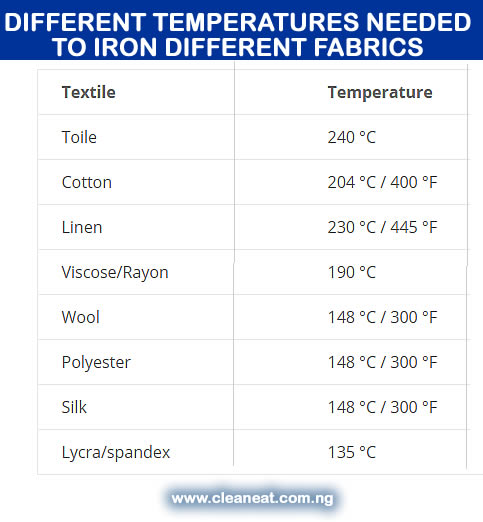
Choosing the correct temperature prevents damage while maximizing wrinkle removal. The way to get wrinkles out with a hair dryer effectively starts with proper heat selection.
Match Heat to Fabric Type
| Fabric | Heat Setting | Notes |
|---|---|---|
| Cotton | Medium-High | Responds well, can handle more heat |
| Linen | Medium-High | May need multiple passes |
| Silk | Low-Medium | Use minimal moisture |
| Polyester | Medium | Avoid high heat to prevent shine |
| Wool | Low | High shrink risk, test first |
| Synthetics (Nylon, Rayon) | Low-Medium | Watch for melting signs |
Start on low if you’re unsure. You can always increase heat, but you can’t undo scorching.
Enable Concentrator Nozzle
Attach the narrow concentrator attachment to focus airflow. This boosts precision and efficiency, especially on collars or seams. Without it, heat disperses too widely, reducing effectiveness.
Dry and Smooth in Sections
Now it’s time to apply heat while guiding the fabric into a smooth shape. This is the core technique for how to get wrinkles out with a hair dryer.
Hold Dryer 6 to 8 Inches Away
Keep consistent distance to avoid hot spots. Never let the nozzle touch the fabric, as this can melt synthetics or scorch cotton.
Use a back-and-forth sweeping motion across the wrinkled area. Stay in constant motion, pausing in one spot risks overheating.
Stretch Fabric as You Go
With your free hand, gently pull the fabric taut in the direction of the weave. This helps realign fibers and lock in the smooth shape. For shirts, smooth from shoulders down. For pants, work from waist to hem.
Visual Cue: As the fabric dries, wrinkles should visibly relax within 30 to 60 seconds per section.
Use Cool Shot to Set the Finish
Once an area is dry and smooth, hit it with a 2 to 3 second burst of cool air. This “sets” the fibers in place, preventing wrinkles from reappearing as the garment cools.
Fabric-Specific Techniques

Different materials need tailored approaches for best results when you want to get wrinkles out with a hair dryer.
Cotton and Linen: Most Effective
These natural fibers absorb moisture well and respond excellently to heat. Mist generously, use medium-high heat, and stretch firmly. Linen may require a second pass for deep creases.
Silk: Handle with Care
Silk is delicate. Use low to medium heat, minimal misting, and avoid pulling too hard. Work quickly and use the cool shot immediately after drying.
Polyester and Blends: Watch for Shine
Synthetics can develop shiny spots if overheated. Use medium heat, keep the dryer moving, and stop if the fabric starts to look glossy.
Wool: Proceed with Caution
Wool is prone to shrinkage. Use low heat, very light misting, and avoid stretching. This method is not ideal for wool coats or thick knits.
Avoid These Common Mistakes
Even small errors can ruin your garment or reduce effectiveness. Learning what not to do is just as important as learning how to get wrinkles out with a hair dryer.
Don’t Over-Wet the Fabric
Soaking the material increases drying time and risks water stains. Damp is enough. Think “just after a light rain,” not “caught in a downpour.”
Never Use High Heat on Synthetics
Polyester, nylon, and rayon can melt at high temperatures. Always start low and test first on an inconspicuous area.
Avoid Direct Contact
Touching the dryer nozzle to fabric creates intense localized heat. This can scorch cotton or melt synthetic fibers instantly.
Don’t Skip the Cool Shot
Without cooling, the fabric may revert to its wrinkled state as it cools naturally. The cool shot locks in the smooth finish.
Boost Results with These Pro Tips
Enhance your technique for faster, longer-lasting outcomes when you use this method to get wrinkles out with a hair dryer.
Combine with Bathroom Steam
Hang the garment in the bathroom and run a hot shower for 3 to 5 minutes. The steam pre-loosens wrinkles. Then blow dry while smoothing. This doubles the effect.
Eco Note: This uses water, so limit to one garment at a time to conserve resources.
Use Wrinkle Release Spray
Replace plain water with a commercial spray like Downy Wrinkle Releaser. These formulas contain conditioning agents that relax fibers faster. Spray, smooth, then blow dry on medium heat.
Warning: Test on an inside seam first to avoid discoloration.
Try the Wear-and-Dry Method
For hard-to-reach areas like shirt backs, put the garment on and use the dryer while gently pulling the fabric taut. This works well for last-minute fixes before leaving the house.
When Not to Use a Hair Dryer
This method has limits. Know when to switch to better tools.
Avoid on These Fabrics
- Denim: Too thick, heat won’t penetrate effectively
- Leather or vinyl: Can crack or peel under heat
- Beaded or sequined clothing: Heat loosens adhesives
- Plastic-coated fabrics: Risk of melting or bubbling
Deep or Permanent Creases
Long-term folded items, like stored dress pants, need the weight and pressure of an iron. A hair dryer won’t flatten sharp creases effectively.
Formal or Crisp Attire
For business suits or dress shirts needing sharp lines, use a traditional iron or steamer. The dryer method is best for casual wear or quick touch-ups.
Choose the Best Hair Dryer for the Job
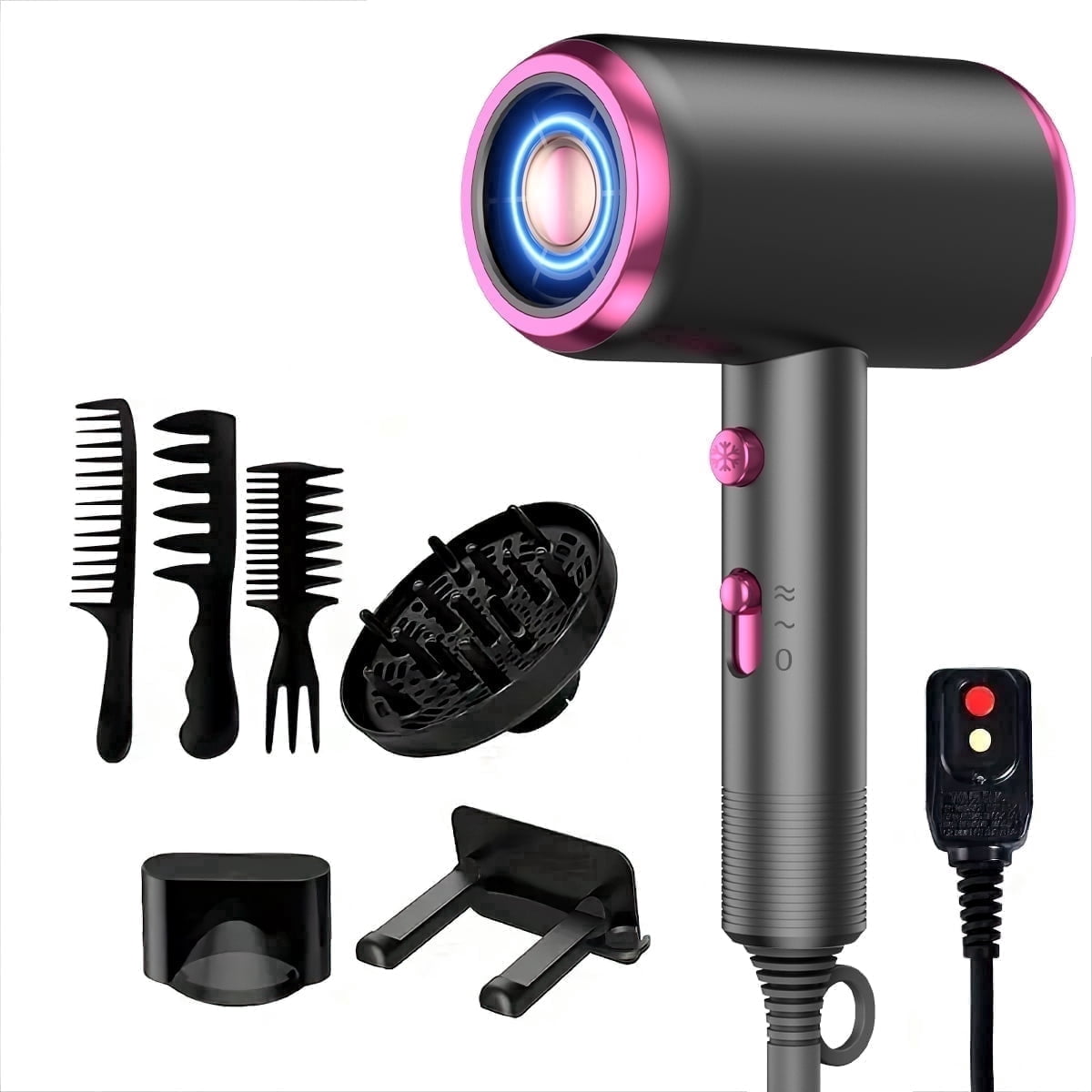
Not all dryers are equal. These features improve wrinkle removal results significantly.
Must-Have Features
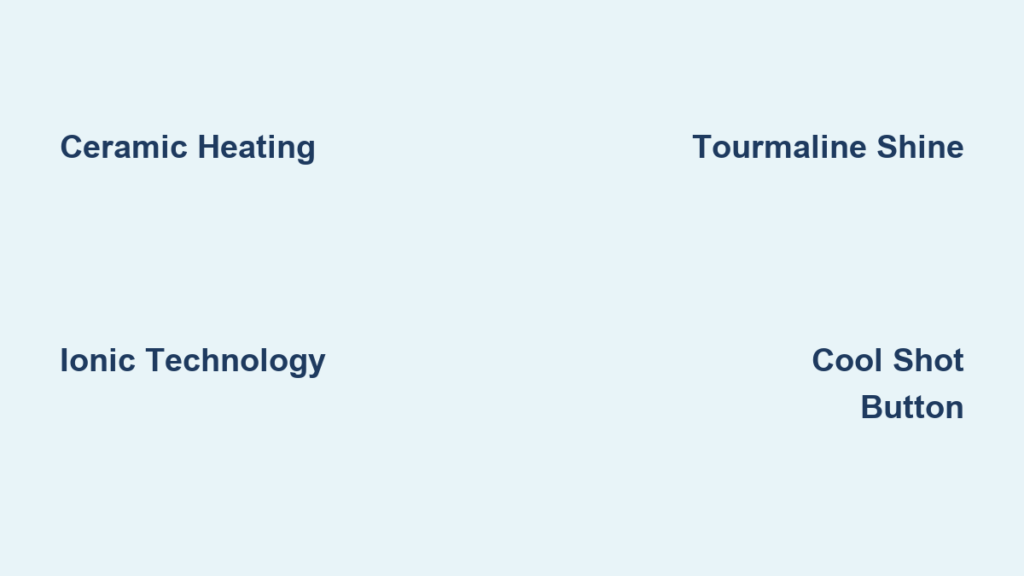
- 1500 to 2000 watts for strong heat output
- Concentrator nozzle to focus airflow
- Cool shot button to set the finish
- Ionic technology to reduce static on synthetics
- Ceramic heating element for even heat without hot spots
Top Pick: Conason P1C
This professional-grade dryer delivers high-speed airflow, precise heat control, and ionic conditioning. Its 1875 watts and durable design make it a favorite in salons and hotels for garment care.
Safety First: Prevent Damage and Hazards
Electrical and fabric safety are critical when you use a hair dryer to get wrinkles out.
Prevent Scorching and Melting
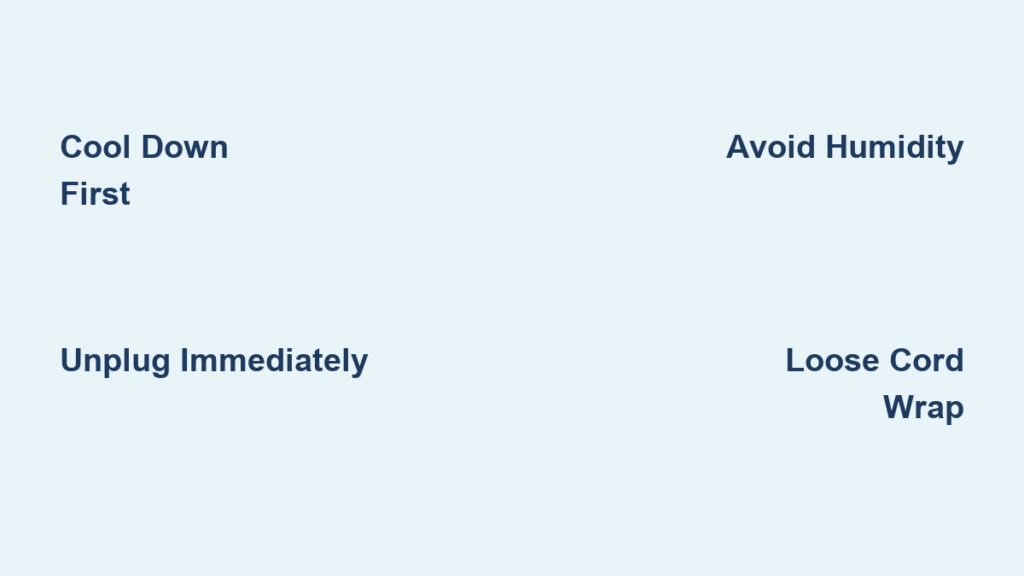
- Keep the dryer moving continuously
- Maintain 6-inch distance from fabric
- Use lower heat on unknown fabrics
Electrical Safety Tips
- Never use near standing water
- Avoid high-humidity areas right after showering
- Unplug and cool before storing
- Inspect cord and housing regularly for damage
User Warning: One person reported a dryer short-circuiting after prolonged use on damp fabric. Always unplug when not in use.
Alternative Quick-Fix Methods
If the hair dryer method fails, try these backups.
Hair Straightener for Small Areas
Perfect for collars, cuffs, or shirt fronts. Use low heat and glide quickly over the fabric. Protect with a thin cloth if needed.
Boiling Water Steam
Hold the garment above steam from a pot (not touching the water). Fast but risky. Beware of burns.
Commercial Wrinkle Sprays
Spray and go. Great for light creases but less effective on deep folds.
Final Tips for Long-Term Wrinkle Prevention
Avoid future wrinkles with smart habits.
Roll, Don’t Fold
Roll clothes in your suitcase instead of folding. This reduces creases and saves space.
Hang Immediately
After washing or wearing, hang garments to air dry. This prevents wrinkles from setting.
Store Properly
Use padded hangers for delicate tops and breathable garment bags for suits.
Frequently Asked Questions About Using a Hair Dryer for Wrinkles
Can I use any hair dryer to remove wrinkles?
Yes, most hair dryers work, but models with variable heat settings, a concentrator nozzle, and a cool shot button deliver the best results. Higher wattage dryers (1500 to 2000 watts) provide stronger heat for more effective wrinkle removal.
How long does it take to remove wrinkles with a hair dryer?
Most wrinkles disappear within 30 to 60 seconds per section. Larger areas or stubborn creases may require a couple of minutes. This method is much faster than traditional ironing for small areas.
Does this method work on all fabrics?
No. Natural fibers like cotton and linen respond best. Synthetic fabrics like polyester require lower heat to avoid melting or creating shiny spots. Avoid using on denim, leather, or embellished clothing.
Can I damage my clothes using a hair dryer?
Yes, possible risks include scorching, melting synthetics, shrinkage, and shiny spots. Prevent damage by keeping the dryer 6 to 8 inches away, using continuous motion, and selecting the appropriate heat setting for each fabric type.
Is it safe to use a hair dryer near water?
No. Never use a hair dryer near sinks, bathtubs, or wet surfaces. Ensure the area is dry and well-ventilated. Unplug the dryer when not in use.
Can I replace ironing with a hair dryer completely?
Not entirely. While excellent for quick fixes and lightweight fabrics, hair dryers cannot achieve the crisp, pressed finish that traditional ironing provides for formal wear or heavy fabrics.
Key Takeaways for Getting Wrinkles Out with a Hair Dryer
Using a hair dryer to get wrinkles out is a fast, safe, and effective solution for lightweight fabrics and last-minute fixes. With proper technique, light misting, correct heat settings, and continuous motion, you can achieve a smooth, professional look in under a minute per area.
This method works best on cotton, linen, silk, and polyester blends. Always check care labels first and test on an inconspicuous area before treating visible sections. Remember to use the cool shot to set the finish and avoid high heat on synthetics.
While it’s not a full replacement for ironing, it’s the best alternative when you’re in a pinch. Choose the right dryer with adequate wattage and heat control, avoid high-risk fabrics, and always prioritize safety. Whether you’re traveling, rushing out the door, or protecting delicate materials, this method keeps your wardrobe looking sharp without requiring an iron.