
You’re getting ready for work, a date, or a trip, only to realize your favorite shirt or sock is still damp. No dryer? No problem. When time is tight, drying clothes fast with a hair dryer can be a lifesaver. This method works surprisingly well for small, thin garments like socks, collars, undergarments, and hats. With the right technique, you can dry a wet sock in under 10 minutes or revive a damp shirt collar in just minutes. But beware: improper use risks melting fabric, scorching, or even fire.
This guide delivers safe, tested methods to dry clothes quickly using only a hair dryer. You’ll find pro tips, time estimates, and exactly what to avoid so you can get dressed fast without damaging your clothes or your dryer.
Best Clothes for Hair Dryer Drying
Small, Lightweight Items Only
Stick to garments that dry fast and won’t overheat. Ideal candidates include:
- Socks and stockings
- Underwear and bras (with caution)
- Shirt collars and cuffs
- Gloves and beanies
- Lightweight synthetics or cotton blends
Thick fabrics like jeans, hoodies, or towels take too long and may overheat the dryer or fabric.
Avoid Drying These Items
- Wool or silk: High heat causes shrinkage or damage.
- Items with elastic or spandex: Heat can degrade elasticity or melt fibers.
- Leather or vinyl: Will crack or warp.
- Anything worn during drying: Restricts airflow and risks burns.
Step-by-Step: Dry Clothes Fast with a Hair Dryer

Remove Excess Moisture First
Before turning on the dryer, eliminate as much water as possible:
- Wring the garment tightly by hand.
- Lay it flat on a dry towel.
- Roll the towel tightly like a burrito and press or twist to soak up moisture.
This step cuts drying time by up to 50% and reduces heat exposure.
Hang or Drape for Airflow
Lay the garment over a non-metal hanger, chair back, or shower rod. Avoid blocking the hair dryer’s intake or exhaust. Never place fabric directly on the dryer. This can block vents and cause overheating.
Set the Right Heat and Speed
- Cotton or synthetics: Use medium heat plus high airflow.
- Delicates (lace, pantyhose): Use low heat or cool air.
- Always use a concentrator nozzle to focus airflow on wet areas.
Hold 6-8 Inches Away and Keep Moving
Hold the dryer 6-8 inches (15-20 cm) from the fabric. Move it in slow, sweeping motions. Never hold it in one spot. Staying too close or too long can scorch or melt fabric.
Rotate and Flip the Garment
After 2-3 minutes, turn the item inside out or flip it over. This ensures even drying, especially in layered areas like collars or seams.
Focus on Wettest Zones
Pay extra attention to:
- Cuffs and hems
- Seams and folds
- Elastic bands
- Boot liners or shoe tongues (if drying footwear)
Finish with Cool Air
Once mostly dry, switch to the cool shot setting for 30 seconds. This sets the fabric, reduces static, and prevents residual heat from damaging fibers.
Speed Up Drying: Pro Techniques
Use the Sink Method
Place the damp item in a sink and drape a towel or cloth over the edges. Aim the hair dryer into the sink basin. The enclosed space traps warm air, speeding evaporation. Keep the dryer nozzle just outside the sink to avoid moisture damage to the device.
Try the Insulated Bag Hack
Put the garment inside a thermal grocery bag or insulated lunch bag. Insert the hair dryer nozzle through the opening. The trapped heat dries clothes faster, like a mini dryer. Monitor closely. Never seal the bag completely because airflow is critical.
Combine with a Fan
After pre-drying with a towel, use the hair dryer for 3-5 minutes, then let a room fan blow over the item. The moving air finishes the job without heat stress.
How Long Does It Take
| Item | Pre-Dried? | Drying Time |
|---|---|---|
| Sock | Yes (towel-rolled) | 5-8 minutes |
| Underwear | Yes | 6-10 minutes |
| Shirt collar | Yes | 3-5 minutes |
| Hat or beanie | Yes | 8-12 minutes |
| Glove | Yes | 4-7 minutes |
| Thick boot liner | Yes | 15-30 minutes |
Without towel pre-drying, add 5-10 minutes per item.
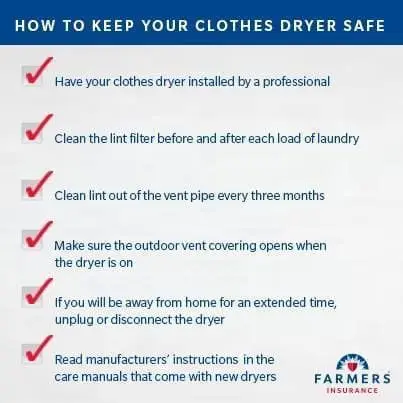
Safety First: Avoid These Risks
Prevent Fabric Damage
- Don’t use high heat on synthetics: Nylon, polyester, and spandex can melt.
- Avoid direct contact: Never let the dryer touch fabric.
- Check fabric temperature: Touch it (after cooling) every few minutes. If it’s hot, stop and cool down.
Stop Fire Hazards Before They Start
- Never leave unattended: Stay with the dryer the entire time.
- Keep away from water: Don’t use near sinks or bathtubs unless plugged into a GFCI outlet.
- Don’t block vents: Ensure intake and exhaust are clear. Overheating can trip safety switches or damage the motor.
Don’t Dry Clothes While Wearing Them
This traps moisture, reduces airflow, and increases burn risk. It also stretches fabric and causes uneven drying.
Hair Dryer Settings That Work Best
Use High Airflow, Not Just Heat
Air movement (measured in CFM) matters more than heat for evaporation. A powerful fan setting dries faster and safer than max heat.
Activate the Cool Shot
Use cool air at the end to lock in dryness and protect delicate fibers.
Attach a Concentrator Nozzle
This focuses airflow on small areas. Perfect for cuffs, seams, or boot toes.
Alternative Tools for Fast Drying
Hair Straightener for Collars and Seams
Quickly glide over damp shirt collars or cuffs. Works like a mini iron. Dries and de-wrinkles in one pass. Use low heat and a cloth barrier to prevent shine or scorch marks.
Public Hand Dryers (With Caution)
Use in restrooms to dry shoes, gloves, or hats. But beware: hand dryers can blow bacteria and viruses onto surfaces. Not ideal for underwear or face-touching items.
Avoid the Microwave: It’s Dangerous
Some try microwaving damp socks for speed. This can cause fire or melting. Never use a microwave to dry clothing.
When Not to Use a Hair Dryer
Large or Thick Garments
Jeans, sweaters, and towels hold too much water. The dryer will overheat, and drying could take 30 minutes or longer.
Long-Term or Frequent Use
Repeated heat exposure fades colors, weakens fibers, and wears out elastics. Use only in emergencies.
No Access to Ventilation
Drying indoors without airflow increases humidity, which can promote mold. Open a window or use a fan.
Compare: Hair Dryer vs. Other Fast-Drying Methods
| Method | Speed | Safety | Fabric Care | Best Use Case |
|---|---|---|---|---|
| Hair dryer | Fast (5-15 min) | Moderate | Fair | Small items, emergencies |
| Iron plus cloth | Fast plus smooth | Moderate | Good | Wrinkled damp shirts |
| Towel squeeze plus air dry | Moderate | High | Excellent | Daily use, delicates |
| Indoor clothesline | Slow | High | Excellent | Sustainable drying |
| Hand dryer (public) | Moderate | Low (germs) | Fair | Shoes, gloves only |
| Heat gun | Very fast | Low | Poor | Not recommended |
Pro Tips for Better Results
Dry Inside Out
Protects outer fabric and helps moisture escape from seams.
Use a Hanger with Clips
Secure socks or underwear so they don’t slip during drying.
Preheat the Room
A warm room dries clothes faster. Use a space heater (safely) to reduce ambient humidity.
Test on a Small Area First
If unsure about heat tolerance, test a hidden section like an inside seam for 30 seconds.
Final Recommendations
Do This
- Pre-dry with a towel
- Use medium heat and constant motion
- Dry small items only
- Monitor temperature and timing
- Finish with cool air
Don’t Do This
- Use high heat on synthetics
- Leave the dryer unattended
- Dry clothes while wearing them
- Block the dryer’s vents
- Use in wet or poorly ventilated areas
Frequently Asked Questions About Drying Clothes with a Hair Dryer
Can I use a hair dryer to dry all types of clothing?
No. Stick to small, lightweight items like socks, underwear, collars, hats, and gloves. Thick fabrics like jeans, sweaters, and towels take too long and risk overheating. Delicate fabrics like wool, silk, and spandex can shrink, melt, or get damaged from heat exposure.
How long does it take to dry a sock with a hair dryer?
With proper towel pre-drying, a sock takes about 5-8 minutes. Without pre-drying, expect 10-15 minutes. Times vary based on hair dryer power, fabric thickness, and ambient room temperature.
Is it safe to dry clothes with a hair dryer?
It is safe if you follow proper precautions. Keep the dryer 6-8 inches from fabric, never leave it unattended, avoid high heat on synthetics, and use constant sweeping motions. Never dry clothes while wearing them, and ensure good ventilation in the room.
Can a hair dryer damage my clothes?
Yes. High heat can melt synthetic fibers (nylon, polyester, spandex), shrink natural fibers (cotton, wool), fade colors, and set permanent wrinkles. Always use medium or low heat, keep the dryer moving, and test a small area first.
What’s the fastest way to dry clothes with a hair dryer?
Remove excess moisture first using the towel-rolling technique. Use medium heat with high airflow, keep the dryer 6-8 inches away, and use a concentrator nozzle. Focus on seams and folded areas. Finish with cool air to set the fabric.
Can I use this method for shoes or boots?
Yes. Focus on boot liners, shoe tongues, and inner soles. Hold the dryer 6-8 inches away and keep moving. Drying thick boot liners takes 15-30 minutes. Use the insulated bag method for faster results.
Bottom Line: Fast, But Use Sparingly
Drying clothes fast with a hair dryer works best as a short-term fix for small, urgent items. With proper technique, you can dry a sock in 5 minutes or rescue a damp collar before a meeting. But it’s not a long-term solution. Fabric damage, energy use, and safety risks add up with repeated use.
For everyday drying, stick to air drying, clotheslines, or portable drying racks. Keep the hair dryer method in your back pocket for emergencies, travel, or last-minute fixes. When speed is everything, this trick delivers safely and effectively.