

Tsubaki oil has been a Japanese beauty secret for centuries, prized for its ability to transform dull, dry hair into silky, luminous strands. Extracted from the seeds of the Camellia japonica flower, this lightweight oil penetrates deeply without leaving greasy residue, making it suitable for all hair types. Whether you want to repair damaged ends, add shine, or protect your hair from heat styling, learning how to use tsubaki hair oil correctly is the key to achieving your best hair. This guide covers every application method, from daily use to deep conditioning treatments.
Best Application Methods for Tsubaki Hair Oil

Apply to Damp Hair After Washing
After shampooing and conditioning, gently towel-dry your hair until it is damp but not dripping wet. Dispense 2-3 drops of tsubaki oil into your palms and rub them together to warm and spread the oil. Focus on the mid-lengths and ends, avoiding the scalp unless your hair is extremely dry. This technique locks in moisture from your conditioning treatment, reduces frizz, and leaves hair noticeably softer.
Pro Tip: Start with one drop and add more gradually. Tsubaki oil is highly concentrated, and a little goes incredibly far.
Use on Dry Hair for Instant Shine
On days between washes, apply a single drop of tsubaki oil to dry hair to refresh your look. Target the ends and any flyaways, then run your fingers through or use a wide-tooth comb to distribute evenly. This instantly tames frizz and adds a healthy, natural sheen without weighing hair down.
Pre-Shampoo Scalp Treatment
Massage 3-4 drops of tsubaki oil into your scalp before washing to loosen product buildup and condition the roots. Let it sit for 10-15 minutes, then shampoo as usual. This pre-wash step prevents scalp dryness and creates a healthier environment for hair growth, especially during cold, dry seasons.
Deep Conditioning Treatments with Tsubaki Oil
Hot Oil Treatment for Damaged Hair
Warm a small amount of tsubaki oil by rubbing it between your palms, or place the bottle in warm water for a few minutes. Never microwave the oil. Apply from roots to ends, cover with a shower cap, and leave on for 20-30 minutes. For intensive repair, leave it overnight. Shampoo twice to fully remove the oil.
This treatment works best for color-treated, chemically processed, or severely damaged hair. Use once a week for dry or brittle hair, or every two weeks for maintenance.
Boost Your Hair Mask
Add 1-2 drops of tsubaki oil to your favorite hair mask to amplify its nourishing effects. Mix well and apply as usual, focusing on the mid-lengths and ends. The oil enhances moisture retention and improves manageability after washing.
Pair with a Tsuge Wood Comb
After applying tsubaki oil, use a tsuge wood comb (Japanese boxwood) to distribute the product evenly. The wood’s natural pores absorb and redistribute the oil in micro-thin layers, reducing product waste while maximizing shine and smoothness. This traditional Japanese technique elevates your routine with minimal effort.
Using Tsubaki Oil for Hair Repair

Repair Split Ends and Prevent Breakage
Tsubaki oil cannot permanently heal split ends, but it temporarily binds the hair cuticle, smoothing frayed strands and preventing further damage. Apply one drop directly to the ends daily to reduce breakage and improve elasticity. Over time, healthier ends mean fewer trims are needed.
Protect Against Heat Styling and UV Damage
Before using flat irons, curling wands, or blow dryers, apply a drop of tsubaki oil to create a protective barrier. This minimizes moisture loss and cuticle damage from heat exposure. The oil also provides mild UV protection (approximately SPF 3-5), helping guard against sun-induced dryness and color fading.
Support Scalp Health for Stronger Hair
Massage a few drops of tsubaki oil into the scalp 2-3 times per week to combat dryness and flakiness. The anti-inflammatory polyphenols and deep moisturizing properties soothe irritation and promote circulation, which are key factors in maintaining healthy hair growth.
How Much Tsubaki Hair Oil to Use
Start Small and Adjust as Needed
Begin with 1-2 drops for short hair, 3-5 drops for shoulder-length hair, and 5-8 drops for long or thick hair. Always spread the oil thoroughly across your palms before application to ensure even distribution and prevent clumping. You can always add more if needed, but excess oil creates greasiness and attracts dirt.
Adjust Based on Your Hair Type
Fine hair types should apply only to the ends, avoiding the scalp entirely. Curly or coily hair benefits from more generous application from mid-lengths to ends to define curls and reduce frizz. Damaged or chemically treated hair can use tsubaki oil daily as a protective and reparative treatment.
Building a Daily Tsubaki Oil Routine
Nighttime Hair Care
Apply a few drops to your hair ends before bed to prevent overnight dryness and friction damage. For best results, wrap your hair in a silk scarf or sleep on a silk pillowcase. This combination locks in moisture and significantly reduces breakage while you sleep.
Morning Shine and Frizz Control
Use one drop in the morning to tame flyaways and refresh second-day hair. Rub the oil between your palms and lightly skim over the surface of your hair. Avoid reapplying multiple times throughout the day to prevent product buildup.
Travel-Friendly Hair Rescue
Keep a small bottle of tsubaki oil in your bag for instant hydration during travel, humid weather, or after swimming. It counteracts saltwater, chlorine, and dry cabin air, keeping your hair soft and manageable no matter the environment.
Choosing the Right Tsubaki Oil
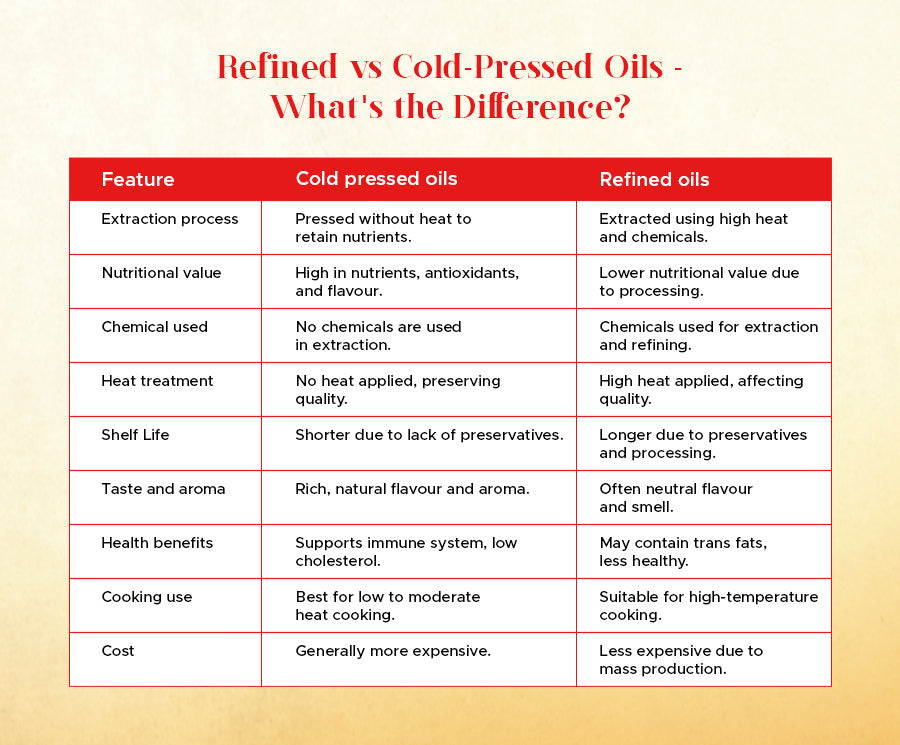
Look for Cold-Pressed and Unrefined
Select cold-pressed, unrefined tsubaki oil to receive the full benefits. This extraction method preserves the oil’s natural antioxidants, fatty acids, and characteristic golden hue. Avoid refined or solvent-extracted versions, which lose vital nutrients and may contain residual chemicals.
Verify the Source: Camellia Japonica
Authentic tsubaki oil comes from Camellia japonica, the traditional Japanese variety. Be cautious of products labeled simply “camellia oil” derived from Camellia oleifera (used for cooking) or Camellia sinensis (tea plant), as these have different compositions and may not deliver the same benefits.
Cold-Pressed vs. Cold-Filtered
Cold-pressed oil is extracted without heat or solvents, maintaining the highest quality and purity. Cold-filtered may still involve heat or chemical processing and does not guarantee the same nutrient preservation. Always read labels carefully, especially when purchasing outside Japan or the EU.
Common Mistakes to Avoid When Using Tsubaki Hair Oil
Over-application is the most frequent error. Excess oil weighs hair down, blocks scalp pores, and creates an unpleasant greasy appearance. Always start with less and build up gradually based on your hair’s response.
Applying tsubaki oil only to dry hair limits its effectiveness. The oil works best when applied to damp hair after washing, where it locks in hydration and maximizes moisturizing potential.
Many people avoid applying oil to the scalp, but light massage with tsubaki oil can dramatically improve scalp health and support stronger hair growth, particularly if you experience dryness or flakiness.
Using low-quality or refined oils wastes your money and effort. These products lose vital nutrients during processing and may absorb quickly but offer fewer long-term benefits. Invest in a high-quality, unrefined product for real, noticeable results.
Frequently Asked Questions About Tsubaki Hair Oil
Can I Use Tsubaki Oil on Fine Hair Without It Looking Greasy?
Yes. Fine hair benefits from tsubaki oil when applied sparingly. Use only 1-2 drops and focus exclusively on the ends, avoiding the scalp and roots. This adds shine and softening without weighing fine strands down.
How Often Should I Apply Tsubaki Hair Oil?
For daily maintenance, apply to damp hair after every wash. For deep conditioning treatments, use once per week for damaged hair or every two weeks for normal hair. Scalp treatments can be done 2-3 times per week.
Does Tsubaki Oil Help with Hair Growth?
Tsubaki oil supports scalp health by moisturizing and improving circulation, which creates a better environment for hair growth. While it does not directly stimulate growth, healthier scalps produce stronger, healthier hair over time.
Can I Use Tsubaki Oil with Other Hair Products?
Absolutely. Tsubaki oil mixes well with hair masks, conditioners, and styling products. Add it to your existing routine by mixing a few drops into your conditioner or applying it before your regular styling cream.
Is Tsubaki Oil Safe for Color-Treated Hair?
Yes. Tsubaki oil is gentle and actually helps protect color-treated hair from fading by providing UV protection and preventing dryness. It also helps maintain shine and vibrancy in dyed hair.
What is the Difference Between Tsubaki Oil and Regular Hair Oils?
Tsubaki oil is unique because it is high in oleic acid (approximately 82%), which allows it to penetrate deeply into the hair shaft without leaving residue. It absorbs faster than many heavier oils like coconut or argan, making it ideal for all hair types.
Key Takeaways for Using Tsubaki Hair Oil

Tsubaki oil is a versatile, time-tested hair care ingredient that delivers real results when used correctly. The most effective method is applying 2-5 drops to damp hair after washing to lock in moisture and reduce frizz. For damaged hair, incorporate weekly hot oil treatments, and for scalp health, massage a few drops into the scalp 2-3 times per week.
Choosing the right product matters enormously. Always select cold-pressed, unrefined oil from Camellia japonica for maximum benefits. Avoid over-applying, as a little goes a very long way with this potent oil. By building a consistent routine and following these application guidelines, you can transform your hair into softer, shinier, stronger strands with minimal effort. Start with one application method today and gradually incorporate more as you see how your hair responds.