If you’re struggling with dandruff, an itchy scalp, or greasy roots, tea tree oil could be the natural solution you’ve been searching for. Derived from the leaves of the Melaleuca alternifolia plant, this powerful essential oil is packed with antifungal, antibacterial, and anti-inflammatory properties that target the root causes of common scalp issues. While tea tree oil won’t reverse genetic hair loss, it creates a clean, balanced environment where healthy hair can thrive. In this guide, you’ll learn exactly how to use tea tree oil for hair safely and effectively using proven methods like diluted scalp treatments, shampoo boosts, and DIY masks.
Add to Shampoo for Scalp Relief
Boost your regular shampoo with tea tree oil to fight dandruff and refresh your scalp without harsh chemicals.
Mix Drops Per Wash
Add 1 to 2 drops of tea tree oil directly into a palmful of shampoo before lathering. This simple step delivers antifungal action right to your scalp, helping reduce flaking and itching caused by Malassezia yeast. For stronger results, mix 10 to 15 drops per ounce (30 mL) of shampoo in a small bottle and shake well before each use. Always dilute first and never apply undiluted tea tree oil directly to your scalp.
Use 2-3 Times Weekly
Start with once weekly, then increase to 2 to 3 times per week if your scalp tolerates it well. Overuse can lead to dryness, so monitor how your scalp responds. This method works especially well if you’re exposed to pollution or use heavy styling products that build up over time.
Choose Clarifying or Sulfate-Free Bases
Pair tea tree oil with a clarifying or sulfate-free shampoo to maximize cleansing while minimizing irritation. Avoid combining it with very hot water, which can worsen dryness. Rinse thoroughly to prevent residue that might cause itchiness.
Massage Scalp with Diluted Oil
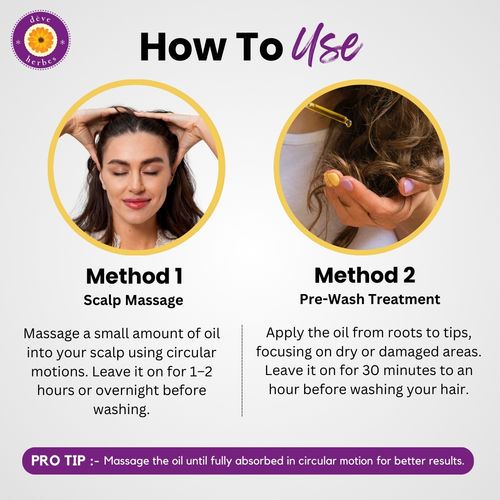
A targeted scalp massage enhances circulation and delivers tea tree oil deep into follicles for lasting relief.
Dilute at 1:10 Ratio
Always mix tea tree oil with a carrier oil like jojoba, argan, or coconut oil. Use a 1:10 dilution ratio, which means 1 drop tea tree oil to 10 drops carrier oil, or about 1 to 2 drops per teaspoon of base oil. Jojoba oil is ideal because it mimics natural sebum and won’t clog pores.
Massage for 10-15 Minutes
Apply the blend directly to your scalp using fingertips. Massage in small circular motions for 10 to 15 minutes to stimulate blood flow and loosen dead skin cells. This boosts nutrient delivery to hair follicles and helps unclog pores that may contribute to hair thinning.
Leave On Overnight or Rinse Out
For dry or flaky scalps, leave the oil on overnight under a shower cap. In the morning, wash with a gentle shampoo. If you have oily hair, rinse after 30 to 60 minutes to avoid excess greasiness. Use this treatment 1 to 2 times per week for best results.
Apply Pre-Wash Oil Treatments
Use tea tree oil in pre-wash masks to deeply cleanse, condition, and prep your scalp for shampooing.
Try Coconut Oil Base for Dryness
Mix 2 to 3 drops of tea tree oil into half a cup of melted coconut oil. Apply from roots to ends, focusing on the scalp. Coconut oil penetrates the hair shaft, reducing protein loss and adding moisture, while tea tree oil fights microbes and flakes.
Leave for 20-30 Minutes
Allow the mask to sit for 20 to 30 minutes to soften buildup and soothe irritation. For heavier product residue, extend to 60 minutes. Cover with a warm towel to open pores and enhance absorption.
Wash With Clarifying Shampoo
Rinse thoroughly and follow with a clarifying shampoo to remove all oil and debris. Skipping this step can leave hair greasy or weighed down. Repeat once or twice weekly depending on your scalp’s needs.
Create Leave-In Sprays and Serums
Refresh your scalp and style hair daily using diluted tea tree oil sprays and lightweight serums.
Make a Scalp Refresh Spray
Combine 5 drops of tea tree oil with 1 cup of distilled water in a spray bottle. For extra soothing power, substitute chamomile tea for water. Shake well before each use and spritz lightly on the scalp between washes to control odor, oil, and itch.
Add to Lightweight Styling Serums
Mix 1 to 2 drops of tea tree oil into a grapeseed or fractionated coconut oil serum. Apply a pea-sized amount to damp hair to detangle curls, add shine, and prevent frizz. Avoid applying too close to the ends if your hair is fine or prone to dryness.
Use As Needed, Not Daily
Even diluted, leave-in applications should be used moderately. Over time, excessive use may dry out the scalp. Stick to every other day or as needed for freshness and manageability.
Treat Dandruff and Flaking Naturally
Tea tree oil is one of the most effective natural remedies for stubborn dandruff and seborrheic dermatitis.
Target Malassezia Yeast
The active compound terpinen-4-ol disrupts the growth of Malassezia, a fungus linked to flaky, itchy scalps. Regular use reduces scaling, redness, and inflammation, often within a few weeks.
Use 5% Concentration Shampoos
Clinical studies show that shampoos containing 5% tea tree oil significantly improve dandruff symptoms. You can buy commercial versions or make your own by adding drops to a neutral base shampoo.
Combine With Gentle Exfoliation
For faster results, gently exfoliate your scalp once weekly using a soft brush or fingertips while applying tea tree oil blends. This removes dead skin and enhances penetration. Avoid harsh scrubs that can irritate sensitive skin.
Control Oily Scalp and Buildup
Tea tree oil helps regulate sebum production and clears clogged follicles without stripping natural oils.
Balance Sebum Naturally
Despite its cleansing power, tea tree oil is non-comedogenic, meaning it won’t block pores. It helps normalize oil production, making it ideal for those with both oily roots and dry ends.
Use Baking Soda Masks Weekly
Create a balancing mask with 1 tablespoon of baking soda, 1 teaspoon of honey, and 2 drops of tea tree oil. Massage into the scalp for 10 minutes, then leave for 30 minutes before rinsing. This combo lifts excess oil, neutralizes pH, and fights bacteria.
Prevent Clogged Follicles
Regular use keeps follicles clear of dead skin and product residue, reducing the risk of folliculitis and hair fallout. If you use gels, sprays, or dry shampoo frequently, incorporate tea tree oil 2 to 3 times weekly to maintain hygiene.
Soothe Itch and Inflammation Fast
Relieve irritation from dryness, eczema, or contact dermatitis with tea tree oil’s anti-inflammatory action.
Calm Redness and Irritation
Its antiseptic and cooling properties reduce itching and redness quickly. Apply a diluted blend (1:10) directly to inflamed areas using a cotton swab for precision.
Combine With Chamomile for Sensitivity
For sensitive scalps, mix tea tree oil with roman chamomile essential oil, also diluted, to enhance soothing effects. Both oils work synergistically to calm allergic reactions and minor infections.
Avoid Overuse on Damaged Skin
If your scalp has open sores, wounds, or severe eczema, consult a dermatologist before use. Undiluted or frequent application on compromised skin can worsen irritation.
Support Hair Growth Indirectly
While tea tree oil doesn’t directly regrow hair, it creates optimal conditions for healthier, stronger strands.
Unclog and Activate Follicles
By removing buildup and microbes, tea tree oil helps unclog hair follicles, allowing them to function properly. Massage also increases blood flow, delivering oxygen and nutrients needed for growth.
Enhance Nutrient Absorption
A clean, exfoliated scalp absorbs treatments more effectively. Use tea tree oil before applying minoxidil, rosemary oil, or other growth serums to boost their efficacy.
Pair With Proven Growth Oils
Combine tea tree oil with rosemary or peppermint oil in a carrier blend. Example: 2 drops rosemary, 1 drop tea tree, 1 drop peppermint, and 1 tablespoon of jojoba oil. Use twice weekly for stimulating benefits.
Eliminate Lice and Nits Safely

Tea tree oil is a natural, effective option for treating and preventing head lice infestations.
Kill Lice With Insecticidal Compounds
Active ingredients like 1,8-cineole and terpinen-4-ol are toxic to lice but safe for human skin when diluted. They disrupt the nervous system of lice, leading to paralysis and death.
Apply Overnight Lice Treatment
Mix 7 to 8 drops of tea tree oil with 1 tablespoon of vegetable oil like coconut or olive. Apply to the entire scalp and hair, cover with a shower cap, and leave overnight. In the morning, comb through with a fine-tooth nit comb 5 to 6 times to remove dead lice and eggs.
Repeat Weekly for Prevention
For households with recurring lice, repeat the treatment once a week as a preventive measure. Also spray diluted tea tree water on hats, pillows, and combs to reduce reinfestation risk.
Follow Safety Rules Strictly
Tea tree oil is potent, and using it incorrectly can cause harm. Always follow safety guidelines.
Always Do a Patch Test
Before full application, test on the inner elbow. Apply one drop diluted in carrier oil and wait 12 to 24 hours. Discontinue if you see redness, swelling, or itching. This prevents allergic reactions on sensitive scalp skin.
Never Use Undiluted or Ingest
Never apply pure tea tree oil because it can cause chemical burns or severe irritation. Also, never swallow it because it is toxic when ingested and can cause serious health issues, especially in children.
Avoid Eyes and Mucous Membranes
Keep away from eyes, nose, and ears. If contact occurs, flush immediately with water. Use cotton pads or swabs for precise application near sensitive areas.
Adjust for Sensitive or Oily Scalps
Customize your tea tree oil routine based on your scalp type for optimal results.
For Dry or Sensitive Skin
Use milder dilutions such as 1 drop per tablespoon of oil and pair with deeply moisturizing carriers like avocado or fractionated coconut oil. Add 1 drop of chamomile essential oil for extra calming power.
For Oily or Acne-Prone Scalps
Blend with aloe vera gel, jojoba oil, or french green clay for a lightweight, purifying mask. These ingredients absorb excess oil and reduce inflammation without clogging pores.
Monitor Reaction Over Time
Even if you tolerate tea tree oil initially, long-term overuse can lead to dryness or contact dermatitis. Take breaks if irritation develops and rotate with gentler oils like lavender.
Choose High-Quality Tea Tree Oil
Not all essential oils are created equal. Using low-grade or adulterated oil reduces effectiveness and increases risks.
Look for 100% Pure, Steam-Distilled Oil
Choose products labeled 100% pure, steam-distilled Melaleuca alternifolia. Avoid synthetic fragrances or carrier oil blends disguised as essential oils.
Buy From Trusted Brands
Top-rated options include Kama Ayurveda Tea Tree Oil from India and Brioche EO from Australia, both known for organic sourcing and high terpinen-4-ol content.
Store Properly in Dark Glass
Keep tea tree oil in a dark amber or cobalt glass bottle stored in a cool, dry place away from sunlight. Exposure to heat and UV light degrades its potency over time.
Know When to See a Doctor
Tea tree oil helps with many common scalp issues, but it’s not a cure-all.
Not Effective for Medical Hair Loss
It won’t treat androgenetic alopecia, autoimmune conditions like alopecia areata, or chemotherapy-induced hair loss. In such cases, consult a dermatologist for medical treatments.
Stop Use If Allergic Reactions Occur
Signs of allergy include hives, swelling, blistering, or worsening itch. If these occur, discontinue use and seek medical advice.
Consult Before Use in Children or Pregnancy
While generally safe when diluted, pregnant women and young children should consult a healthcare provider before using tea tree oil due to limited safety data.
Frequently Asked Questions About Using Tea Tree Oil for Hair
How often should I use tea tree oil on my hair?
Use tea tree oil treatments 2 to 3 times per week for best results. Daily use is not recommended because it can cause dryness and irritation. Start with once weekly and gradually increase if your scalp tolerates it well.
Can I apply tea tree oil directly to my scalp?
Never apply undiluted tea tree oil directly to your scalp. Always mix it with a carrier oil at a 1:10 ratio (1 drop tea tree oil to 10 drops carrier oil) or add it to shampoo. Undiluted application can cause chemical burns, severe irritation, and allergic reactions.
How long does it take to see results from tea tree oil for dandruff?
Most people see improvement within 2 to 4 weeks of consistent use. The antifungal properties target Malassezia yeast, which causes dandruff, and regular application reduces flaking, redness, and itching. For stubborn cases, it may take up to 6 to 8 weeks.
Is tea tree oil safe for colored or treated hair?
Tea tree oil is generally safe for colored hair when properly diluted. However, it may strip color if used too frequently or in high concentrations. Always patch test first and consider using it in your shampoo rather than as a direct scalp treatment if you have recently colored hair.
Can I use tea tree oil if I have a sensitive scalp?
Yes, but with caution. Use a lower dilution (1 drop per tablespoon of carrier oil instead of the standard 1:10 ratio) and pair with soothing carriers like jojoba or fractionated coconut oil. Always do a patch test first and stop using if you experience any irritation.
Key Takeaways for Using Tea Tree Oil on Hair
Tea tree oil is a powerful, science-backed tool for maintaining a healthy scalp and improving hair condition. When used correctly with proper dilution, frequency, and quality, you can effectively combat dandruff, oiliness, lice, and irritation. Always dilute at a 1:10 ratio with carrier oils, perform a patch test before first use, and limit applications to 2 to 3 times weekly to avoid dryness.
By integrating tea tree oil into your routine through shampoos, massages, or sprays, you support long-term scalp hygiene, which is the foundation of strong, vibrant hair. Listen to your scalp’s response, choose high-quality 100% pure oils, and pair this remedy with other healthy hair practices for the best results. If you experience persistent scalp issues or allergic reactions, consult a dermatologist for personalized guidance.