
If your hair feels brittle, grows slowly, or you’re noticing more shedding than usual, you’re not alone. Olive oil for hair growth has been used for centuries across Mediterranean cultures, and modern science now confirms what tradition long knew. This kitchen staple is a powerhouse for scalp health, packed with antioxidants like vitamins A and E, plus oleic acid that deeply nourishes the scalp and strengthens hair follicles.
This guide will show you exactly how to use olive oil for hair growth step by step. From creating the best oil blends and applying them correctly, to making a rosemary-infused hair mask proven to rival commercial treatments, you’ll learn science-backed methods that work. Stick with the routine, and within four to six weeks, you could notice less shedding, shinier strands, and even new baby hairs along your hairline.
The Science Behind Olive Oil and Hair Growth

Olive oil delivers real results because of its unique nutritional profile. Understanding why it works helps you apply it correctly.
How Antioxidants Protect Your Hair Follicles
Olive oil contains vitamins A and E, potent antioxidants that neutralize free radicals on the scalp. These unstable molecules, generated by UV exposure, pollution, and stress, can damage hair follicles and accelerate thinning. By shielding follicles from oxidative stress, olive oil helps maintain healthy hair cycles and reduces premature shedding.
Why Deep Moisture Matters for Growth
A dry, flaky scalp isn’t just uncomfortable. It can block hair growth entirely. Olive oil’s high oleic acid content allows it to penetrate deep into the scalp’s layers, restoring moisture balance. This prevents dandruff and creates a clean, hydrated foundation where hair can grow strong and unimpeded.
Boosting Blood Flow to Hair Roots
One of the most powerful benefits of using olive oil is its role in boosting microcirculation. When massaged into the scalp, the oil increases blood flow to hair follicles. More blood means more oxygen and nutrients delivered directly to the roots, fueling the anagen growth phase of your hair cycle.
Creating the Best Olive Oil Hair Growth Blend
Using olive oil alone works, but blending it with other oils enhances results significantly. Here’s the most effective combination.
The 3:1 Olive Oil and Castor Oil Ratio
The most effective DIY blend combines three teaspoons of olive oil with one teaspoon of castor oil. This ratio delivers deep conditioning while enhancing circulation.
• Olive oil moisturizes and protects with antioxidants
• Castor oil contains ricinoleic acid, which reduces scalp inflammation and extends the hair growth phase
• Result is a balanced blend that’s potent but not too thick to apply
Pro Tip: If your hair is fine or short, reduce the amount to avoid greasiness. For thick, long, or dense hair, scale up proportionally to ensure full coverage.
Adding Argan Oil for Extra Shine
For extra nourishment, add two to three drops of argan oil to your blend. Known as Liquid Gold, argan oil reduces protein loss during washing and adds softness without weighing hair down.
Choosing the Right Container
Always mix and store your blend in a dark glass bottle. Amber or cobalt glass protects the oils from light damage. Plastic containers can leach chemicals and degrade the oil’s quality over time.
Storing Your Blend for Maximum Freshness
Proper storage ensures your blend stays effective. Without preservatives, freshness matters significantly.
How Long Does It Last
Homemade oil blends don’t contain preservatives, so your mixture stays effective for four to six weeks when stored correctly. After that, the oils oxidize and lose potency.
Best Storage Practices
• Keep in a cool, dark place like a medicine cabinet or drawer
• Avoid heat and sunlight, which speed up oxidation and rancidity
• No refrigeration needed, but don’t leave it in hot bathrooms or near stoves
Important: Label the bottle with the preparation date since there’s no expiry date. Discard after six weeks to ensure you’re using active, uncontaminated oil.
Applying Oil Directly to the Scalp

Many people make the mistake of applying oil only to the hair strands. This limits results significantly.
Why Scalp Application Matters
Hair growth starts at the root, so your focus should be on thinning zones, edges, and part lines. Don’t just coat the hair. Target the scalp for real results.
Using an Applicator Bottle for Precision
Transfer your blend to a narrow-tipped applicator bottle or syringe-style dropper. This lets you part your hair and deliver oil exactly where it’s needed without mess or waste.
Step-by-Step Application Process
- Section your hair into four to six parts
- Part each section to expose the scalp
- Apply drops directly to the skin using the applicator
- Massage in with fingertips or a scalp brush
- Squeeze excess oil down the lengths to condition ends
Warning: Over-application can clog follicles. Start with less. You can always add more next time.
Massaging Your Scalp for Better Growth
Massaging isn’t just relaxing. It’s a proven growth technique that delivers real results.
Why Scalp Massage Works
The pressure increases blood flow, delivering nutrients to dormant follicles and encouraging them to enter the growth phase. Without massage, you’re leaving growth potential on the table.
How to Massage Correctly
• Use firm, circular motions with your fingertips
• Cover key areas including temples, crown, and nape, common thinning zones
• Spend three to five minutes per section
• Use a silicone or boar-bristle scalp massager for deeper stimulation
How Often to Massage
For best results, massage two to three times weekly. Consistency is key. Skip days, and you’ll delay visible progress.
Using Olive Oil Under Protective Styles
You don’t need to take down your braids or twists to nourish your scalp. Even with protective styles, you can maintain healthy growth.
Applying Oil with Braids or Twists
- Loosen one section at a time, such as undoing one braid
- Expose the scalp and apply oil directly
- Massage thoroughly
- Re-braid or twist after application
- Mist with herbal water like rosemary or green tea, then seal with a drop of oil
Result: Moisture stays locked in, and your edges get the care they need without style disruption.
Making a Rosemary-Infused Olive Oil Mask
Rosemary isn’t just a kitchen herb. It’s a clinically proven hair growth booster that supercharges your olive oil treatment.
Why Rosemary Boosts Growth
Studies show rosemary essential oil is as effective as two percent minoxidil for treating hair loss, with fewer side effects. Its active compound, carnosic acid, stimulates nerve growth and improves circulation in the scalp.
What You Need
• Two cups olive oil
• Three to four sprigs fresh rosemary or ten to fifteen drops essential oil
How to Prepare the Infused Oil
- Place rosemary sprigs in a saucepan
- Cover with olive oil
- Simmer on low for fifteen to twenty minutes. Do not boil
- Remove from heat and cool completely
- Strain out plant material
- Store in a glass bottle with dropper or syringe
Safety Note: Never leave oil unattended on the stove. Use low heat only.
Using the Rosemary Mask for Deep Treatment
This mask delivers intensive treatment for stubborn growth issues.
When to Apply the Mask
Use this once a week for maintenance, or twice weekly if you’re dealing with thinning or slow growth.
Step-by-Step Mask Routine
- Section hair into four to six parts
- Apply infused oil directly to scalp using dropper
- Massage for five minutes
- Coat ends with leftover oil to prevent dryness
- Leave on for thirty to sixty minutes
- Shampoo twice to remove residue
- Condition as needed
Pro Tip: For deeper penetration, cover hair with a warm towel or heating cap during treatment.
How Often to Use Olive Oil for Growth
Consistency determines results more than anything else.
Recommended Weekly Routine
• Olive oil plus castor oil blend: two to three times per week
• Rosemary-infused oil mask: one to two times per week
• Scalp massage: each application session
Timeline for Visible Results
Expect to see changes after four to six weeks of consistent use. Early signs include less shedding, reduced breakage, new baby hairs along the hairline, and improved shine and softness.
Patience Pays Off: Hair grows slowly, about half an inch per month. But with the right care, you can maximize your natural potential.
Common Mistakes That Block Results
Even with good intentions, certain mistakes can sabotage your progress.
Using Low-Quality Oil
Not all olive oil is equal. Choose extra virgin, cold-pressed, unrefined, and organic when possible. Light or refined versions lack the nutrients you need for growth.
Skipping the Massage
Applying oil without massaging limits its effectiveness. Massage is non-negotiable for stimulating growth.
Over-Oiling the Scalp
Too much oil leads to buildup and clogged follicles. Start with small amounts and increase only if needed.
Not Washing Out the Mask
Infused oils can leave residue. Always double shampoo after a mask to keep the scalp clean and follicles unclogged.
Comparing Olive Oil to Other Oils
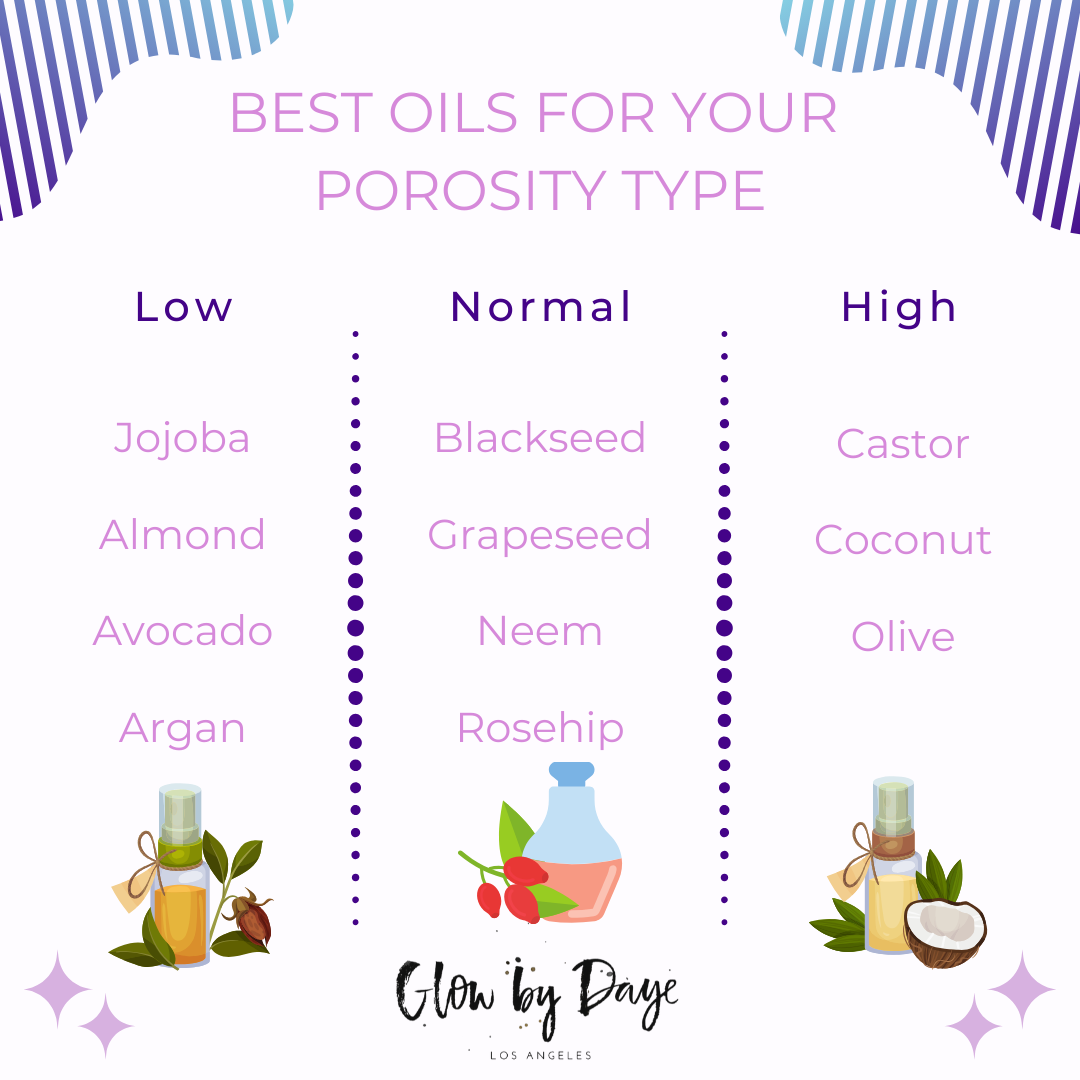
Understanding how olive oil stacks up helps you make informed choices.
Olive Oil vs. Coconut Oil
• Penetration: Both high
• Best for: Olive oil excels for dry, coarse, curly hair. Coconut oil works better for fine to medium hair
• Key benefit: Olive oil provides antioxidants and circulation boost. Coconut oil offers superior protein retention
Verdict: Olive oil wins for dry, thick, or textured hair.
Why Blend Castor Oil
Pure castor oil is too thick for most people. Mixed with olive oil in a three to one ratio, it becomes easier to apply while keeping its growth-stimulating power.
Long-Term Care and Maintenance Tips
Oil treatments are one part of a complete hair growth strategy.
Keep Your Scalp Clean
Even with oil treatments, buildup happens. Use a clarifying shampoo every two to four weeks to remove residue and keep follicles clear.
Watch for Irritation
While rare, some people react to infused herbs. Discontinue use if you experience redness, itching, or rash.
Support Growth from Within
Topicals aren’t enough. Pair your oil routine with a balanced diet rich in protein, iron, and omega-3s. Stay hydrated with at least eight glasses of water daily. Manage stress since high cortisol slows hair growth. Consider supplements like biotin or vitamin D if deficient.
Real User Results and Feedback
Users see consistent results when following this routine properly.
Type 4 Hair Success Stories
Users with Type 4 hair report noticeable improvements in four weeks, including stronger strands, fewer split ends, fuller edges, and easier length retention.
Rosemary Mask Results
Those using the rosemary-infused mask regularly note reduced scalp itchiness, less flaking, baby hairs along the hairline, and faster growth in thinning areas.
Protective Styling Combined with Oiling
Combining braids or twists with weekly oiling helps users maintain moisture and reduce manipulation, leading to longer, healthier hair over time.
Frequently Asked Questions About Using Olive Oil for Hair Growth
Does olive oil actually help hair grow faster?
Olive oil creates optimal conditions for hair growth by nourishing the scalp, strengthening follicles, and improving blood circulation. While it doesn’t speed up growth beyond your natural rate, it maximizes your growth potential by reducing breakage and shedding.
How long does it take to see results from olive oil hair treatments?
Most users see noticeable results within four to six weeks of consistent use. Early signs include less shedding, reduced breakage, and improved shine. New baby hairs along the hairline typically appear after two to three months.
Can I leave olive oil in my hair overnight?
Yes, leaving olive oil in overnight is beneficial for deep conditioning. Apply to damp hair, focus on the scalp and ends, and cover with a satin cap or pillowcase to protect your bedding. Wash out in the morning with a gentle shampoo.
Is extra virgin olive oil better than regular olive oil for hair?
Extra virgin olive oil is superior because it’s cold-pressed and unrefined, retaining more antioxidants and nutrients. Regular or light olive oil has been processed, removing many beneficial compounds.
Can I use olive oil on fine hair without it looking greasy?
Yes, use smaller amounts and focus on the scalp rather than the strands. For fine hair, try mixing one teaspoon of olive oil with your conditioner or using a light application technique. The key is starting with less and adding more only if needed.
How does rosemary-infused olive oil compare to minoxidil?
Studies show rosemary oil is as effective as two percent minoxidil for treating hair loss, with fewer side effects like scalp irritation. Rosemary works by improving circulation and stimulating nerve growth, making it a natural alternative worth trying.
Key Takeaways for Using Olive Oil to Grow Stronger Hair
Using olive oil for hair growth works when you apply it correctly and consistently. The most effective approach combines three parts olive oil with one part castor oil, applies directly to the scalp, and includes a five-minute massage to boost circulation. Adding rosemary through an infused mask once or twice weekly amplifies results significantly.
Beyond application, success depends on using high-quality extra virgin olive oil, storing blends properly in dark glass containers, and maintaining a clean scalp with regular clarifying. Results appear in four to six weeks, so patience is essential. Pair your oil routine with good nutrition, adequate hydration, and stress management for the best outcomes.
Start today with the three to one blend, massage your scalp for five minutes, and stick with the routine. Your hair will thank you with less shedding, stronger strands, and visible new growth along your hairline.