If you have ever struggled with dryness, frizz, or tangles, leave-in cream could be the missing step in your hair care routine. Unlike rinse-out conditioners, this lightweight treatment stays in your hair to deliver lasting hydration, detangle strands, and protect against heat and humidity without weighing hair down. Whether you have fine, curly, coily, or color-treated hair, using leave-in cream correctly can transform your texture, boost manageability, and keep your style fresh longer.
But simply applying it is not enough. Timing, amount, and technique make all the difference between silky results and greasy, flat hair. In this guide, you will learn exactly how to use leave-in cream for hair, step by step, with tips tailored to your hair type, styling habits, and goals.
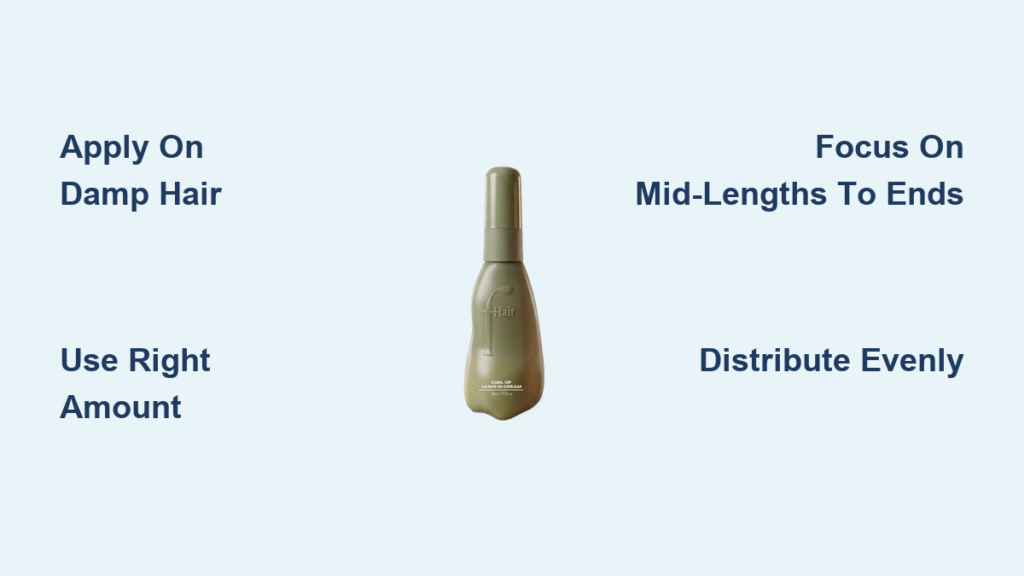
Apply After Washing, on Damp Hair

The foundation of effective leave-in cream use starts with when you apply it. Getting this step right sets up everything else for success.
Wash First, Then Condition
Leave-in cream is not a substitute for shampoo or rinse-out conditioner. It is the final hydration layer in a three-step process that works together:
• Shampoo to cleanse the scalp and remove buildup
• Rinse-out conditioner to deeply nourish and seal the cuticle
• Leave-in cream to lock in moisture and protect hair throughout the day
Skipping the rinse-out step may leave hair under-moisturized, especially if it is dry, curly, or damaged.
Towel-Dry to Damp, Not Soaking Wet
After rinsing out your conditioner, gently squeeze excess water with a microfiber towel or soft cotton T-shirt. Avoid rough rubbing, which can cause frizz and breakage.
Your hair should be damp, not dripping. Here is why this matters:
• Soaking wet hair dilutes the product and reduces effectiveness
• Dry hair absorbs unevenly, leading to patchy coverage or buildup
• Damp hair opens the cuticle slightly, allowing even distribution and better absorption
This sweet spot ensures the cream coats each strand evenly and works optimally as you style.
Use the Right Amount for Your Hair Type
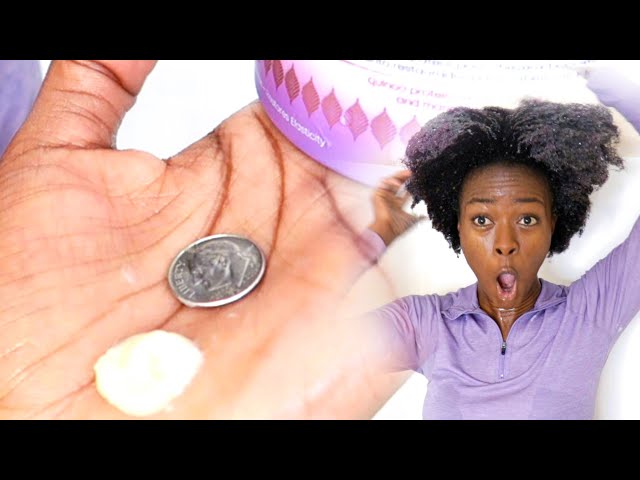
One of the most common mistakes with leave-in cream is using too much. The ideal amount depends on your hair is length, thickness, and texture.
Dosage Guidelines
• Fine or short hair: Start with a dime-sized amount
• Medium-length hair: Use a dime to nickel-sized amount
• Long, thick, curly, or coily hair: Use a quarter to half-dollar-sized amount or more if needed
Pro Tip: Start small. You can always add more, but you cannot remove excess once applied.
For curly or coily hair, you may need multiple applications between washes to maintain moisture. For fine or oily hair, less is more. Focus only on the ends to avoid flattening roots.
Focus on Mid-Lengths to Ends
Where you apply leave-in cream matters as much as how much you use. Targeting the right areas maximizes benefits while preventing problems.
Avoid the Scalp (Usually)
Applying heavy cream directly to the scalp can cause greasiness, clogged follicles, or flatness, especially in fine or oily hair types.
Instead, target mid-lengths to ends. These are the oldest, driest, and most damaged parts of your hair. They lose moisture easily and are prone to split ends and breakage.
Exception: Dry Scalp Conditions
If you have a dry, flaky scalp due to eczema or psoriasis, some leave-in formulas with aloe vera or panthenol can soothe irritation. But consult a dermatologist before regular scalp application.
Warm and Distribute Evenly
How you apply leave-in cream determines how well the product works. Proper technique ensures every strand gets hydrated.
Warm in Palms First
Scoop the cream into your hands and rub palms together to warm and emulsify it. This makes the formula easier to spread and prevents clumping on your strands.
Use the Praying Hands Method
For straight, wavy, or curly hair, press your palms along sections of hair from roots to ends. This technique ensures even coating, preserves curl pattern, and minimizes frizz.
Detangle as You Go
Use your fingers, a wide-tooth comb, or a wet brush to gently detangle while distributing the product. Always start at the ends and work upward to reduce breakage.
For thick, coily, or tightly curled hair, apply section by section for full coverage and precision.
Layer Products in the Correct Order
Leave-in cream should be the first styling product you apply, after washing and before everything else. Layering in the correct sequence prevents buildup and ensures each product works effectively.
Follow the Light-to-Heavy Rule
• Leave-in cream (lightweight base)
• Styling cream or mousse (definition)
• Gel (hold and frizz control)
• Oil (sealant on ends)
For example, to get defined curls, apply leave-in cream to damp hair, then scrunch in a curl-defining mousse, and finish with a light gel for hold.
If your leave-in includes heat protection, you can skip a separate heat protectant. Just check the label to confirm.
Choose the Right Format for Your Hair

Not all leave-in creams are created equal. The delivery system affects how easy it is to use and how well it performs on different hair types.
Spray
• Best for: Fine to medium hair, second-day refresh
• How to use: Mist evenly over damp hair, focusing on ends
• Advantage: Lightweight, no residue
Pump Bottle
• Best for: Medium to thick hair
• How to use: Pump once or twice, warm in hands, apply mid-lengths to ends
• Advantage: Controlled dosage, easy reapplication
Squeeze Tube or Jar
• Best for: Thick, curly, coily hair
• How to use: Scoop a small amount, emulsify, apply section by section
• Advantage: Richer formulas for deep hydration
Milk or Lotion
• Best for: Daily use, all hair types
• How to use: Smooth over damp hair like a lightweight cream
• Advantage: Fast-absorbing, non-greasy
Match Formula to Your Hair Type

Using the wrong formula can lead to greasiness, dryness, or frizz. Choosing wisely based on your hair is unique needs delivers the best results.
Fine or Thin Hair
• Use: Lightweight sprays, milks, or lotions
• Avoid: Heavy butters, oils, or thick creams
• Apply: Only to ends to maintain volume
• Frequency: Once or twice per week or as needed
Medium Hair
• Use: Balanced formulas like leave-in milks or light creams
• Ideal for: Daily use, especially in dry climates
• Pair with: Anti-frizz or heat-protectant leave-ins
• Frequency: Every wash day or daily
Thick, Coarse, or Textured Hair
• Use: Rich creams with shea butter, coconut oil, or olive oil
• Benefit: Intense moisture, softness, and manageability
• Layer with: Oils or gels for extra hydration
• Frequency: Daily or every wash day
Curly Hair
• Essential for: Moisture retention and curl definition
• Key step in: Curly Girl Method routines
• Technique: Apply section by section, scrunch upward
• Pair with: Gel or mousse for hold
Coily and Highly Textured Hair
• Needs: Deep hydration due to high porosity
• Look for: Shea butter, aloe vera, panthenol
• Tip: Use as a pre-poo or layer with oils
Color-Treated or Chemically Processed Hair
• Highly recommended: Helps seal cuticle and retain color
• Choose: Sulfate-free, color-safe formulas
• Benefit: Reduces fading and protects from further damage
Know What Ingredients to Look For
The right ingredients make a big difference in performance. Understanding what works for your hair helps you choose wisely.
Must-Have Ingredients
• Aloe vera: Lightweight moisture, soothes scalp
• Glycerin: Draws in humidity (best in moderate climates)
• Panthenol: Strengthens, improves elasticity
• Coconut oil: Penetrates hair shaft, prevents protein loss
• Jojoba oil: Mimics natural oils, non-greasy
• Shea butter: Deeply moisturizing for coarse hair
• Olive oil: Nourishes and softens textured hair
Ingredients to Avoid (Depending on Hair Type)
• Drying alcohols like ethanol: Can strip moisture, especially in curly hair
• Heavy silicones like dimethicone: May cause buildup
• Sulfates: Harsh cleansers that strip color and natural oils
Avoid Common Mistakes
Even with the right product, poor technique can ruin results. Learning what not to do is just as important as knowing the right steps.
Using Too Much Product
• Result: Greasy, sticky, flat hair
• Fix: Start small, add only if needed
Applying to Soaking Wet Hair
• Result: Diluted formula, reduced effectiveness
• Fix: Towel-dry first
Applying to the Scalp
• Result: Oily roots, limp hair
• Fix: Focus on mid-lengths and ends
Skipping Even Distribution
• Result: Patchy moisture, dry spots
• Fix: Use fingers or wide-tooth comb
Using Wrong Formula
• Result: Buildup in fine hair, dryness in coarse hair
• Fix: Match product to your hair type
Layering Too Many Products
• Result: Crunchy, stiff, or weighed-down hair
• Fix: Follow light-to-heavy order, avoid doubling up on heavy creams
Refresh Between Washes
Leave-in cream is not just for wash day. It is a powerful tool for extending style life and keeping hair looking fresh between shampoos.
Mid-Day Frizz Control
Mix a dime-sized amount of leave-in with water in a spray bottle. Lightly mist over frizzy areas or dry ends, then smooth with hands or a boar bristle brush.
Revive Curls
Spritz dampened curls with diluted leave-in. Scrunch gently to reactivate definition. No need to re-wash.
Detangle On-the-Go
Apply a detangling milk to dry sections. Use a wide-tooth comb to gently work through knots. This works great for children or busy mornings.
Follow Real-World Routines
Seeing how leave-in cream works in everyday scenarios helps you apply it confidently in your own routine.
Wash-and-Go for Curly Hair
- Shampoo and condition
- Towel-dry to damp
- Apply leave-in cream section by section
- Follow with curl cream and gel
- Scrunch and air dry or diffuse
- Result: Defined, bouncy curls with minimal frizz
Pineapple Bun for Sleep
Before bed, refresh curls with a small amount of leave-in. Gather hair into a loose high ponytail with a satin scrunchie. Result: Preserved curl pattern, reduced breakage.
Children is Hair Care
Use a gentle, fragrance-free leave-in. Apply to damp hair after washing. Detangle with fingers or wide-tooth comb. Result: Soft, tangle-free hair with minimal effort.
Maintain Long-Term Hair Health
Consistent use brings cumulative benefits, but only if you avoid buildup and store products properly.
Prevent Product Buildup
Even lightweight leave-ins can accumulate over time. Clarify every 2 to 4 weeks with a chelating or clarifying shampoo. Watch for signs like dullness, heaviness, or poor product absorption.
Use With Other Treatments
Apply leave-in after deep conditioning or hair masks. Do not replace deep treatments with leave-in. Both are needed for healthy hair. You can layer with protein treatments if hair is damaged.
Store Properly
Keep in a cool, dry place away from sunlight. Shelf life is 6 to 12 months after opening. Discard if smell, texture, or color changes.
Frequently Asked Questions About Leave-In Cream
How often should I use leave-in cream?
Frequency depends on your hair type. Dry, curly, coily, damaged, or color-treated hair benefits from daily use or every wash day. Normal hair does well with 2 to 3 times per week. Fine or oily hair needs only once or twice weekly with lightweight formulas.
Can I use leave-in cream every day?
Yes for most hair types, especially if you wash frequently. Adjust the amount and formula based on how your hair responds. If buildup occurs, switch to a lighter version or reduce frequency.
Does leave-in cream work for all hair types?
Yes. Leave-in cream benefits straight, wavy, curly, coily, fine, medium, and thick hair. The key is choosing the right format and formula for your specific needs. Fine hair needs lightweight sprays or milks. Thick, coily hair needs richer creams with shea butter or oils.
Can I apply leave-in cream to dry hair?
Yes, but use a much smaller amount. Apply to dry hair to tame flyaways, refresh curls, or control mid-day frizz. For best results, dilute with water in a spray bottle for even distribution.
Should I use leave-in cream before or after heat styling?
Apply before heat styling if the formula includes thermal protection. Check the label to confirm heat protectant properties. If your leave-in does not include heat protection, apply a separate heat protectant before using blow dryers, flat irons, or curling wands.
How long does leave-in cream last in hair?
Leave-in cream stays in your hair until you wash it out. It provides ongoing hydration and protection throughout the day. For second or third-day hair, you can reapply a diluted amount to refresh your style without washing.
Key Takeaways for Using Leave-In Cream Effectively
Using leave-in cream correctly transforms hair from dry, frizzy, and unmanageable to hydrated, soft, and easy to style. The most important factors are applying the right amount to damp hair, focusing on mid-lengths to ends, and distributing product evenly using your hands or a wide-tooth comb.
Matching your formula to your hair type delivers the best results. Fine hair needs lightweight sprays or milks. Thick, curly, or coily hair benefits from richer creams with shea butter, coconut oil, or olive oil. Color-treated hair should use sulfate-free, color-safe options to preserve vibrancy.
Layer your products correctly by applying leave-in cream first, then following with styling creams, gels, and finally oils. This light-to-heavy sequence prevents buildup and ensures every product works effectively.
Refresh your style between washes by using diluted leave-in to revive curls, tame frizz, and extend time between shampoos. With consistent use and proper technique, how to use leave-in cream for hair becomes second nature, and the payoff is healthier, softer, more manageable hair every day.