
You’ve invested in a high-quality hair repair serum, but are you using it correctly? Applying hair repair serum the right way determines whether you get sleek, strong strands or greasy, weighed-down hair. Whether you’re battling split ends, frizz, or heat damage, proper technique ensures maximum repair, protection, and shine.
This guide covers exactly how to use hair repair serum for visible results. You’ll learn the correct application method, common mistakes to avoid, and how to integrate serum into your routine like a pro. From dosage tips to scalp-focused protocols, we detail every step so you get stronger, smoother, healthier-looking hair.
Choose the Right Serum for Your Hair Type
Selecting the correct serum is the foundation of effective treatment. Not all serums address the same concerns, so matching your product to your hair needs is essential.
Match your serum to your specific hair concern. For damaged or bleached hair, look for keratin and ceramides that rebuild protein structure and restore lipids. Frizzy, curly, or coarse hair benefits from smoothing formulas with silicones like dimethicone to lock in moisture. Fine or flat hair requires lightweight, silicone-free options to avoid weighing strands down. Color-treated hair needs antioxidants like astaxanthin to prevent fading and protect against oxidative damage.
Pro Tip: If you style with heat daily, always choose a serum with heat protection up to 450°F.
Prep Hair for Maximum Absorption
Applying serum to properly prepared hair dramatically improves results. The condition of your hair when applying determines how well active ingredients adhere to the cuticle.
Apply serum to clean, towel-dried hair for best results. Wash with a sulfate-free shampoo to avoid over-stripping natural oils. Towel-dry thoroughly until hair is damp, not soaking wet. Water dilutes serum and reduces effectiveness, while damp hair helps distribute the product evenly.
Exception: Use on dry hair only for midday touch-ups to tame flyaways or refresh shine.
Use the Correct Amount

Dosage makes or breaks your serum results. Using too much leads to greasiness, especially at the roots, while too little provides insufficient benefits.
One of the most common mistakes is overapplying product. Start with less than you think you need.
| Hair Type | Recommended Amount |
|---|---|
| Short or fine hair | 1-2 drops or pea-sized amount |
| Medium to thick hair | 3-5 drops or dime-sized dollop |
| Long or very thick hair | Up to nickel-sized amount |
| Scalp serums | One pump or 5-6 sprays per application |
Golden Rule: Start small. You can always add more, but you can’t remove excess once applied.
Warm Serum Before Applying
Applying cold serum directly from the bottle compromises distribution and effectiveness. Warming the product activates key ingredients for better adhesion.
Never apply serum straight from the bottle. Rub it between your palms for 3-10 seconds to warm and emulsify the formula. Warming helps the serum spread evenly without clumping. It activates key ingredients like keratin and peptides. Cold, thick serums are harder to distribute and may leave residue.
Visual Cue: The serum should feel slick but not oily when warmed.
Apply Strategically: Hair vs. Scalp
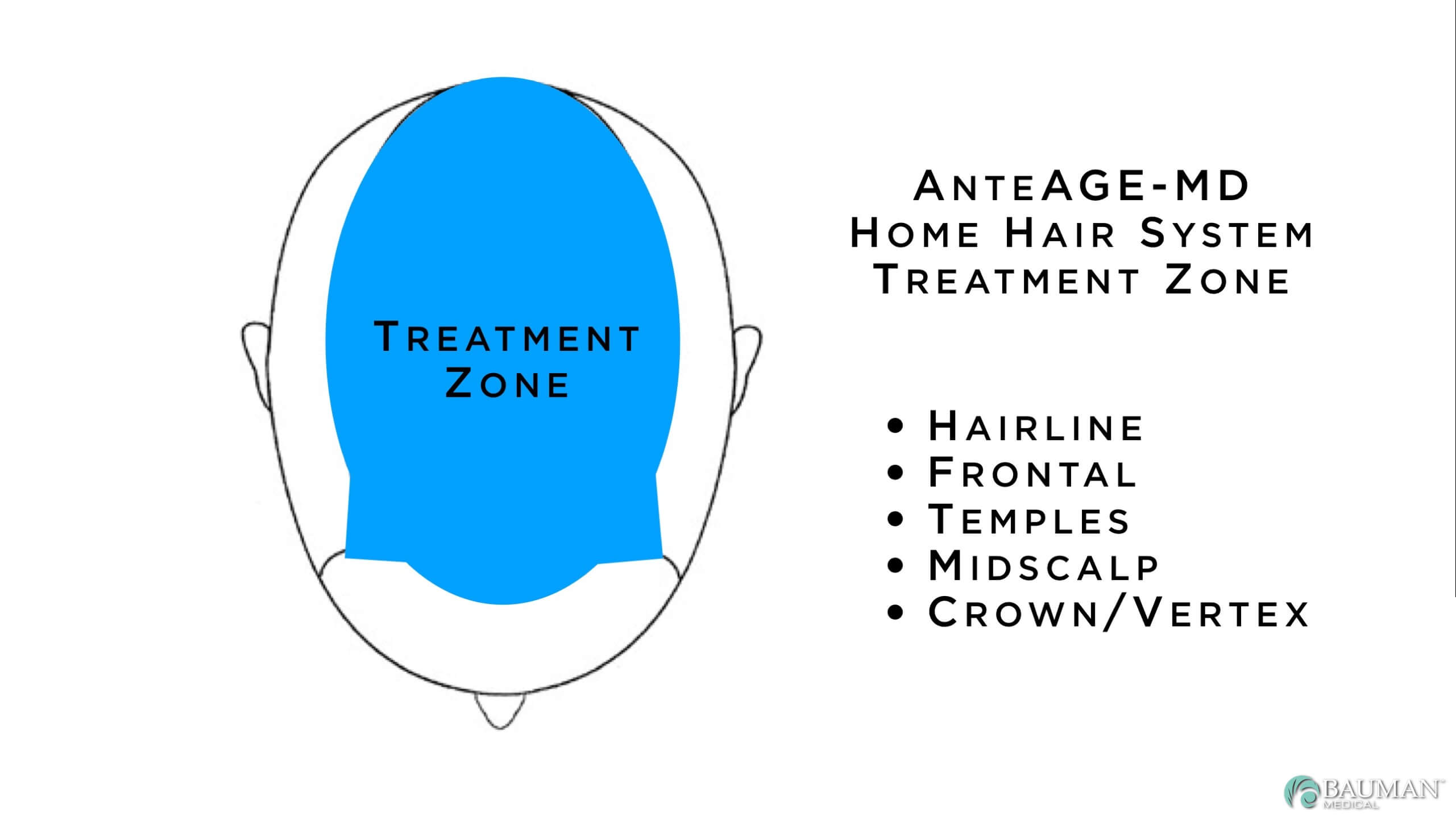
Where you apply serum matters as much as how much you use. Standard hair repair serums and scalp-focused formulas require different application zones.
For standard hair repair serums like Kérastase Résistance or Redken All Soft, avoid the roots. Apply from mid-shaft to tips, where damage is most severe. Use fingertips or a wide-tooth comb to distribute. Target split ends, dry zones, and areas exposed to heat styling.
Why avoid roots? Most serums contain silicones or oils that can clog follicles and cause greasiness if applied too close to the scalp.
For specialized scalp serums like MD Plus Bio or Kérastase Genesis, apply directly to the scalp. Use the dropper or spray nozzle to place serum onto the scalp. Target the front hairline, crown, temples, and donor zones. Massage gently using small circular motions for 2-3 minutes. Leave in, do not rinse.
Clinical Insight: Scalp serums work best at night when cellular regeneration peaks.
Distribute Evenly for Full Coverage
Even application ensures every strand receives treatment benefits. Neglecting distribution leads to uneven results and potential buildup in some areas.
After applying, ensure even distribution, especially in thick, curly, or layered hair. Run fingers through all sections, including underneath layers. For curls or coils, section hair to reach every strand. A wide-tooth comb helps detangle and spread product without breakage.
Pro Tip: For fine hair, flip your head upside down and apply only to ends to maintain volume.
Style as Usual: Serum Is the Final Step
Hair repair serum should be the last step before heat tools or air drying. The serum forms a protective barrier that reduces thermal damage and seals in benefits.
Once applied, proceed with blow-drying, straightening, or curling. The serum forms a protective barrier that reduces thermal damage. Double-check: Does your serum offer heat protection? Look for labels like “up to 450°F” or “thermal defense.”
Example: Pureology Dream Healer provides professional-grade heat and color protection.
Use Consistently for Lasting Results
Serum benefits accumulate over time. Consistency matters more than occasional heavy application.
Frequency depends on your serum type and hair needs.
| Serum Type | Best Frequency |
|---|---|
| General repair serum | Daily or every other day |
| Heat protectant serum | Every time you style with heat |
| Scalp regrowth serum | Twice daily (morning and evening) |
| Overnight repair serum | Nightly |
Key Insight: Repair is cumulative. Most users see reduced frizz and more shine in 1-2 weeks, reduced breakage in 3-6 weeks, and stronger, thicker-looking hair in 8-12 weeks.
Avoid Common Application Mistakes
Even the best serum fails if used incorrectly. Steer clear of these pitfalls to maximize your results.
Don’t overapply product. Greasy, flat hair results from too much serum. Solution: Start with less, add only if needed.
Don’t apply to soaking wet hair. Diluted effectiveness wastes the product. Solution: Towel-dry first.
Don’t apply to roots unless specifically directed. Clogged follicles and oiliness occur when serum migrates to the scalp. Solution: Keep application to mid-lengths and ends unless product is scalp-specific.
Don’t rinse out the serum. This wastes product and eliminates benefits. Solution: All serums are leave-in treatments.
Don’t expect instant miracles. Repair takes time. Solution: Stick with it for 4-12 weeks.
Layer With Other Products Correctly
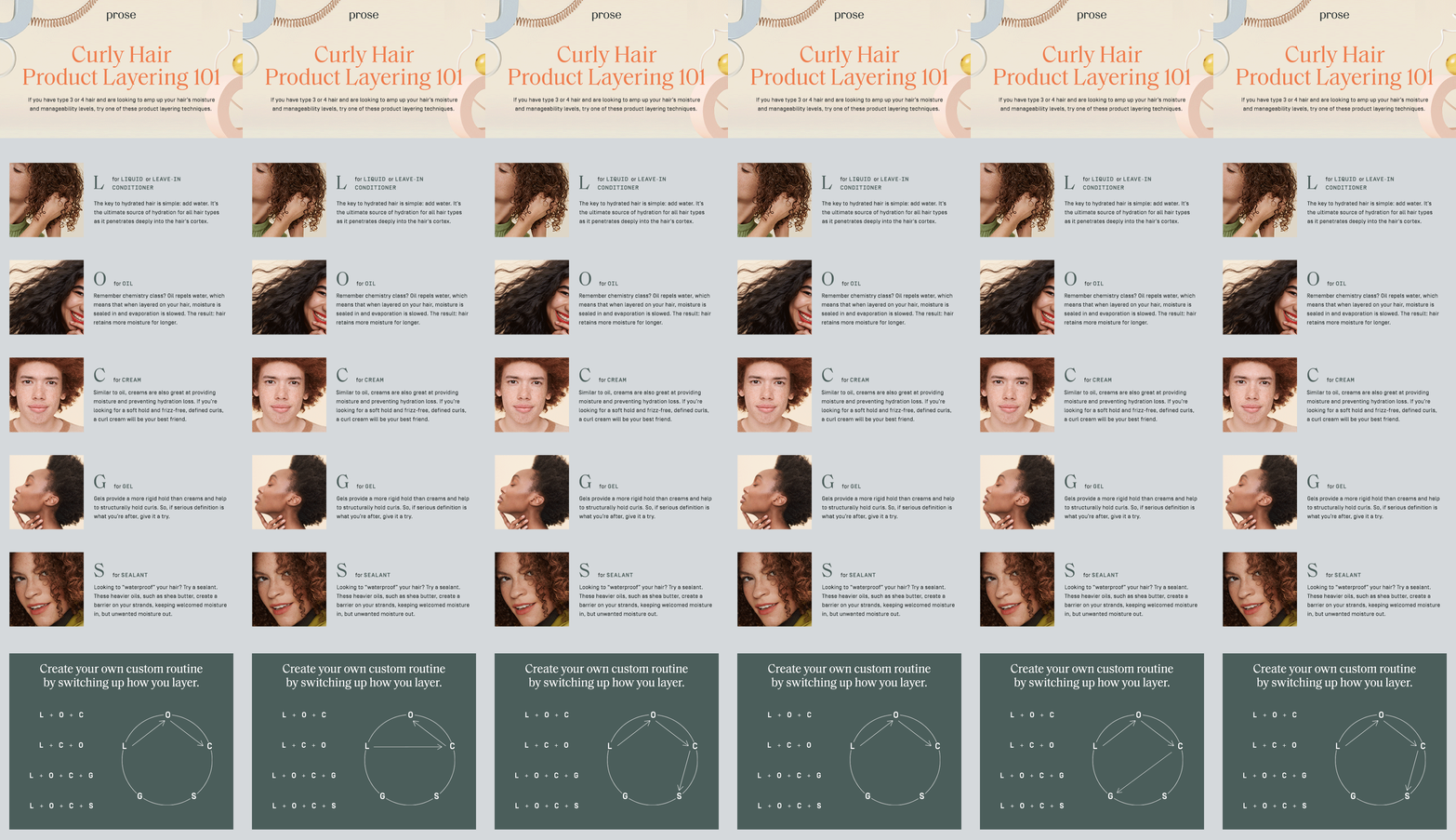
Product order matters in your routine. Applying serum at the right step maximizes benefits and prevents conflicts.
On damp hair, follow this sequence. First, shampoo and condition. Second, apply leave-in conditioner if used. Third, apply heat protectant if separate. Fourth, apply hair repair serum as the final leave-in step. Fifth, apply styling cream or gel if needed.
Exception: If your serum includes heat protection, it can replace a separate heat protectant.
On dry hair for midday touch-up, use a tiny amount on palms. Focus on ends and flyaways. Avoid roots to prevent buildup.
Pro Tip: For deep repair, layer oil first, then serum. Apply Kérastase Elixir Ultime oil, then a lightweight repair serum to seal.
Store Properly for Longevity
Active ingredients degrade with heat and light. Proper storage extends your serum’s effectiveness.
Store in a cool, dry place, not the bathroom where humidity ruins formulas. Avoid direct sunlight. Keep the cap tightly closed to prevent oxidation. Check expiration: most serums last 6-12 months after opening.
Warning Signs: If serum changes color, smells odd, or separates permanently, discard it.
Real-World Uses: When to Apply Serum
Knowing when to apply serum maximizes its effectiveness in different situations.
After washing, apply to damp hair to lock in moisture and prep for styling. Ideal for frizz control and shine enhancement.
Before heat styling is a non-negotiable step if using blow dryer, flat iron, or curling wand. Prevents heat-induced protein loss and split ends.
Midday refresh tames frizz and flyaways on second-day hair. Adds instant shine with a drop or two.
Post-swimming application after chlorinated or saltwater exposure restores lipids and prevents dryness.
Overnight repair works best for scalp serums. Night application boosts absorption and follicle renewal.
Who Benefits Most From Hair Repair Serum
Hair repair serum addresses multiple concerns across different hair types and conditions.
Ideal candidates include color or bleach-treated hair that needs rebuilding strength and sealing the cuticle. Frequent heat stylers benefit from shields against cumulative damage. Curly or textured hair sees improved frizz control and defined shape. Fine or thinning hair gets strength without weight from lightweight formulas. Aging or mature hair combats dryness, thinning, and brittleness. Post-transplant patients receive support for graft survival and scalp health.
Bonus: Even healthy hair benefits from preventive protection against environmental stressors.
Frequently Asked Questions About Hair Repair Serum
Can I use hair serum every day?
Yes, most repairing and protective serums are safe for daily use, especially if you heat-style regularly, have damaged or frizzy hair, or need midday refreshes. Fine-haired individuals should use sparingly and avoid roots.
Is hair serum good for damaged hair?
Yes, especially repairing serums containing hydrolyzed keratin, ceramides, arginine, and antioxidants. These ingredients visibly mend split ends, reduce breakage, and restore strength.
Does hair serum protect against heat?
Many do, but always check the label. Look for claims like “heat protection up to 450°F,” “thermal defense,” or “heat-activated shield.” Example: Pureology Dream Healer offers professional heat protection up to 450°F.
Can I use hair serum on dry hair?
Yes. Dry application is ideal for taming midday frizz, refreshing shine, and smoothing flyaways. Use a tiny amount and focus on ends.
Is hair serum good for fine hair?
Yes, if you choose a lightweight, silicone-free formula and apply only to the ends. Avoid heavy or oily serums that flatten volume.
Should I apply serum before or other products?
On damp hair, apply after leave-in conditioners or treatments but before styling creams or gels. On dry hair, use as a finishing polish. Some serums combine multiple functions, reducing the need for separate products.
Key Takeaways for Using Hair Repair Serum Effectively
Knowing how to use hair repair serum isn’t just about application technique. It’s about strategy. The right amount, at the right time, on the right hair zone, makes all the difference between lackluster results and transformative hair health.
Start by identifying whether your serum is hair-focused or scalp-focused. Use clean, damp hair for maximum absorption, or dry hair for touch-ups. Always warm the product in your palms before applying. Focus on mid-lengths to ends for standard serums, or directly on the scalp for specialized formulas. Apply daily or as directed, and store properly to maintain potency.
Whether you’re repairing existing damage, preventing future breakage, or boosting shine, following these guidelines unlocks your serum’s full potential. With consistent use, you’ll see smoother, stronger, healthier-looking hair in weeks, not months. Start small, stay consistent, and watch your hair transform.