If you’re searching for a natural way to achieve thicker, fuller hair, coconut oil might be the solution you’ve been missing. Unlike many commercial products that simply coat the hair surface, coconut oil penetrates deep into the hair shaft thanks to its high lauric acid content. This allows it to strengthen each strand from within, reducing protein loss during washing and protecting against environmental damage. The result is less breakage, more resilience, and over time, noticeably thicker hair.
Scientific research confirms what traditional practices have long known: coconut oil reduces protein loss during washing, protects against damage, and nourishes the scalp to create ideal conditions for healthy hair growth. While it won’t regrow hair in cases of genetic baldness, it preserves existing strands, prevents split ends, and enhances density by minimizing daily wear and tear.
Choose the Right Coconut Oil for Maximum Hair Benefits
Virgin vs. Refined: What Works Best
Selecting the proper coconut oil is the foundation of your thickness journey. Always choose virgin, unrefined, cold-pressed coconut oil to reap the full benefits. This variety retains all its natural fatty acids, especially lauric acid, which is key to deep penetration and protein protection.
• Virgin coconut oil: High in lauric acid, antimicrobial properties, and penetrates the hair shaft effectively
• Refined coconut oil: Stripped of nutrients during processing, significantly less effective for hair health
• Fractionated coconut oil: Remains liquid at room temperature, lightweight, but lacks the full nourishing profile of virgin oil
Pro Tip: Store your oil in a cool, dark place. It solidifies below 76°F (24°C), but warming it slightly between your palms before application improves spreadability and absorption.
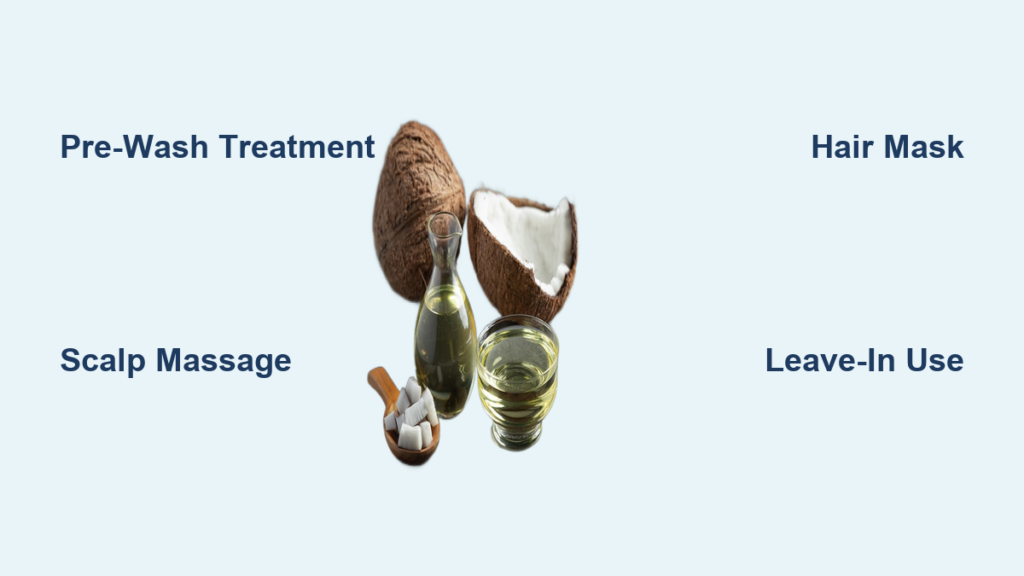
Apply Coconut Oil as a Pre-Wash Treatment

Why Pre-Wash Application Is Most Effective
Using coconut oil before shampooing represents the gold standard for preventing damage. It forms a protective layer that locks in proteins and moisture, reducing the stripping effect of cleansing agents. This method allows the oil to work deep within the hair shaft before water ever touches your strands.
Step-by-Step Pre-Wash Application
- Warm 2–3 tablespoons of coconut oil by rubbing it between your palms or placing a bowl in warm water.
- Apply to dry or slightly damp hair, starting at the ends where damage accumulates most.
- Work upward toward the roots, massaging gently into the scalp to stimulate circulation.
- Cover with a shower cap to trap heat and boost absorption.
- Leave on for 30 minutes to overnight, depending on how intensive the treatment should be.
- Wash out thoroughly with a sulfate-free shampoo. Double cleansing may be necessary to remove all residue.
Frequency: 1–2 times per week works for most hair types. Adjust based on your specific needs.
Visual Cue: Hair should feel soft and smooth after rinsing, not greasy or weighed down.
Create a Coconut Oil Hair Mask for Intensive Repair
Boost Hydration and Reverse Damage
A weekly hair mask delivers intense nourishment, especially beneficial for dry, brittle, or chemically treated hair. The combination of coconut oil with complementary ingredients amplifies the strengthening effects.
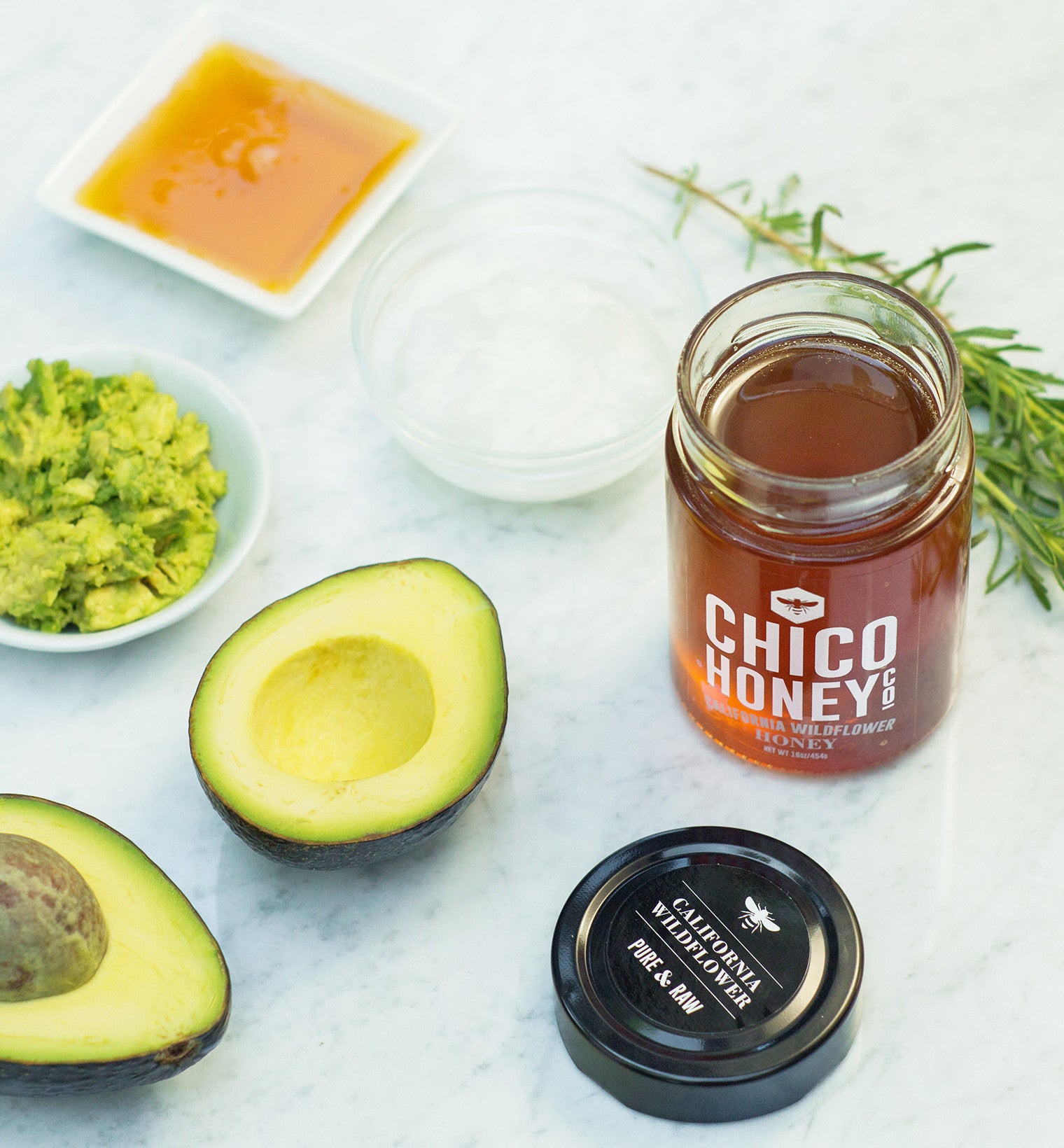
Basic Coconut Oil Mask Recipe
• 3 tablespoons virgin coconut oil
• Optional add-ins for specific concerns:
– 1 teaspoon honey to lock in moisture
– ½ mashed avocado rich in vitamins and fatty acids
– 2 tablespoons plain yogurt to gently exfoliate the scalp
– 1 egg for added protein to strengthen weak strands
Application Steps
- Mix all ingredients until smooth and uniform.
- Apply to damp hair, focusing heavily on mid-lengths and ends.
- Massage lightly into the scalp if not using egg.
- Cover with a shower cap to create a warming effect.
- Leave for 20–60 minutes.
- Rinse with cool or lukewarm water. Hot water can cook egg proteins and create an unpleasant texture.
Result: Hair feels stronger, shinier, and more manageable after just one use.
Use Coconut Oil as a Leave-In Conditioner
Tame Frizz and Protect Against Daily Damage
For lightweight daily conditioning, a tiny amount of coconut oil works wonderfully as a natural leave-in treatment. This method provides ongoing protection without the heaviness of intensive treatments.
How to Apply Correctly
- After washing, towel-dry hair until damp but not dripping wet.
- Take a pea-sized amount of coconut oil.
- Rub between palms to warm and distribute evenly.
- Apply only to the ends of your hair, avoiding the roots entirely if you have fine or oily hair.
Alternative Use: Apply to damp hair and comb through with a wide-tooth comb to detangle Knots smoothly without causing breakage.
Frequency: After every wash, or as needed for touch-ups.
Pro Tip: For finer hair textures, try fractionated coconut oil. It absorbs faster and feels lighter while still providing nourishment.
Massage Coconut Oil Into Your Scalp
Stimulate Follicles and Improve Circulation
A regular scalp massage with coconut oil does more than just feel relaxing. It boosts blood flow, unclogs follicles, and reduces dandruff, creating a healthier environment for thicker hair to grow.
Scalp Massage Technique
- Warm 1 tablespoon of coconut oil until it becomes liquid.
- Part your hair into sections to ensure even application.
- Use your fingertips (never nails) to massage in circular motions for 5–10 minutes.
- Leave on for 30 minutes or overnight for deeper penetration.
- Wash out thoroughly with your regular shampoo.
Enhancement: Add 2–3 drops of rosemary or peppermint essential oil per tablespoon of coconut oil. Both are clinically linked to improved hair density and scalp stimulation.
Sign of Success: Less flaking, reduced itching, and a cleaner-feeling scalp within weeks.
Mix Coconut Oil With Natural Boosters

Upgrade Your Routine With Proven Blends
Combining coconut oil with other natural ingredients targets specific concerns like thinning, dryness, or premature graying. These combinations leverage the strengths of multiple hair-loving substances.
| Blend | Ingredients | Benefits |
|---|---|---|
| Curry Leaf Oil | Coconut oil + fresh curry leaves steeped overnight | Strengthens hair, promotes dark, thick growth |
| Onion Juice Mix | 1 tablespoon onion juice + 2 tablespoons coconut oil | High in sulfur, significantly reduces hair fall |
| Aloe Vera Mask | Equal parts coconut oil + aloe vera gel | Soothes scalp, balances pH, improves texture |
| Fenugreek Paste | Soaked fenugreek seeds + few drops coconut oil | Reduces dandruff, boosts density |
Preparation Tip: Heat coconut oil with herbs on low flame until the color changes slightly, then strain and store in a dark glass bottle for up to two weeks.
Match Application Frequency to Your Hair Type
Avoid Overuse With Tailored Schedules
Using coconut oil too often or not enough can both backfire. Finding the right balance ensures you get benefits without the drawbacks of excess oil.
| Hair Type | Frequency | Tips |
|---|---|---|
| Dry or Damaged | 2–3 times/week | Focus on deep conditioning masks |
| Normal Hair | 1–2 times/week | Maintain balance without buildup |
| Oily Scalp / Fine Hair | Once/week or every 10 days | Apply only to ends, avoid roots |
| Curly or Coarse Hair | 2–3 times/week | Benefits from high moisture retention |
Warning: Overuse leads to greasiness, product buildup, and dust attraction. This is especially problematic if the oil isn’t washed out properly.
Follow Best Application Practices
Maximize Absorption and Results
Small technique changes create big differences in how well coconut oil works for your hair. These best practices ensure you get the most from every application.
• Warm the oil slightly before use to improve flow and penetration
• Massage gently into the scalp. Aggressive rubbing can damage follicles
• Use a wide-tooth comb to distribute oil evenly from roots to tips
• Cover with a warm towel to open cuticles and boost absorption
• Apply to clean hair. Oil on a dirty scalp traps grime and clogs pores
• Mist hair with water before oiling. Slight dampness helps oil spread and absorb better
Pro Move: The water misting trick makes a noticeable difference in how evenly the oil distributes.
Wash Hair Properly After Coconut Oil Application
Prevent Buildup and Dullness
Coconut oil is notoriously stubborn to remove. If not washed thoroughly, it can leave hair looking flat, lifeless, and greasy instead of shiny and thick.
Proper Cleansing Protocol
• Use a sulfate-free shampoo to avoid over-drying while removing the oil
• Double wash: first shampoo breaks down the oil, second cleans the scalp
• Use a clarifying shampoo once a week if you notice any buildup
• Rinse thoroughly. A slippery feeling means residue remains, which attracts dirt and blocks follicles
Sign of Clean Hair: No slippery or greasy feeling after your final rinse.
Support Results With Lifestyle Habits
Hair Thickness Starts From Within
No external treatment, not even coconut oil, can compensate for poor diet, chronic stress, or damaging hair habits. Pair your coconut oil routine with these proven practices.
Nutrition for Thicker Hair
• Eat protein-rich foods daily: eggs, fish, legumes, tofu
• Add omega-3 sources: flaxseeds, chia seeds, walnuts
• Drink at least 2 liters of water daily
• Include colorful vegetables for vitamins A, C, and E
Daily Hair Care Habits
• Use a wide-tooth comb on wet hair to prevent breakage
• Avoid tight hairstyles that pull on roots
• Limit heat tools. When used, keep temperature at or below 350°F (180°C)
• Wear a hat or use UV-protectant products in strong sun
Scalp Maintenance
• Exfoliate once weekly with a sugar and oil scrub
• Wash hair 2–3 times per week to prevent sebum buildup
• Manage stress through yoga, meditation, or regular walking
Note: Chronic stress can trigger telogen effluvium, a temporary but noticeable form of hair thinning.
Watch for Signs of Progress
Know When Coconut Oil Is Working
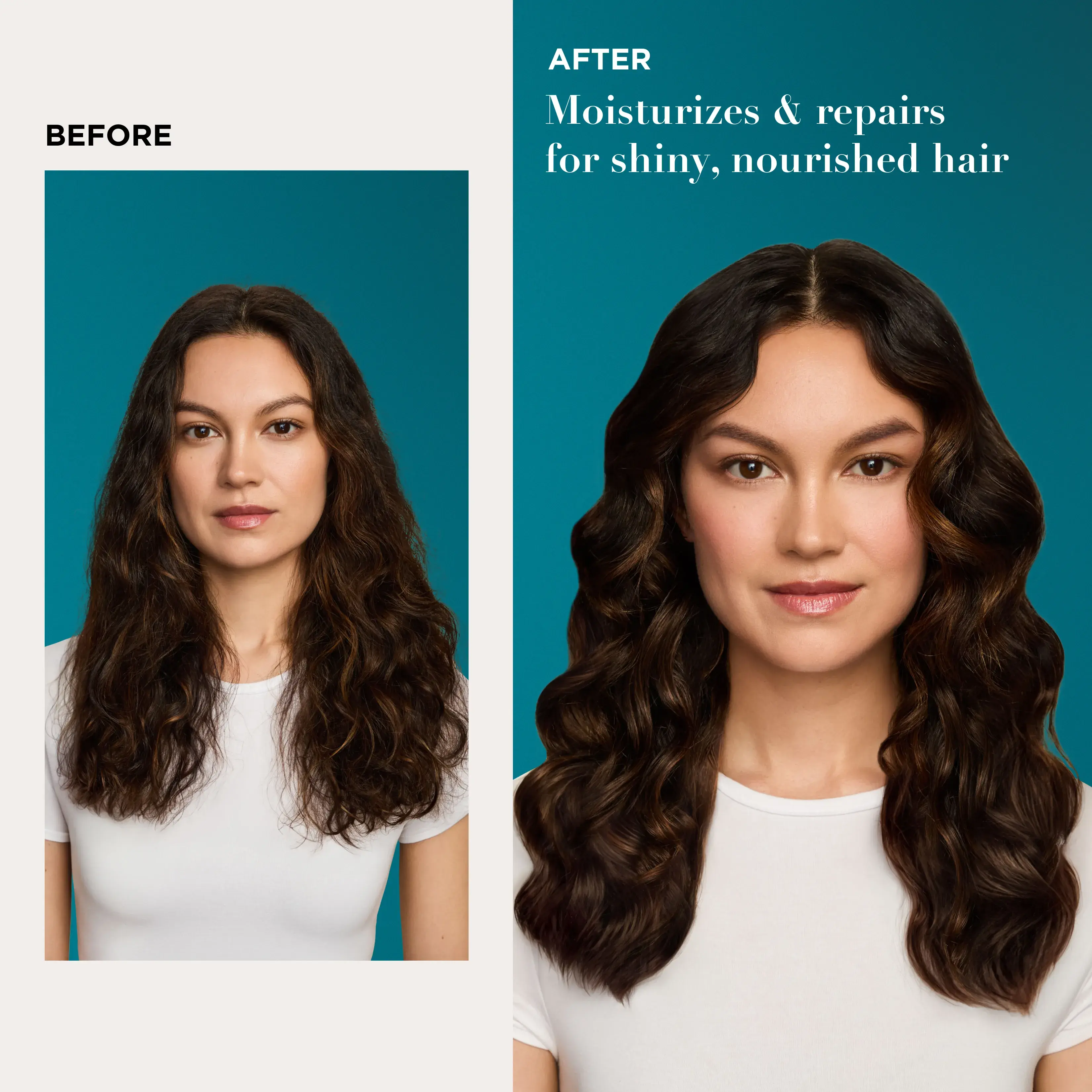
Results don’t happen overnight. Look for these positive changes over 6–12 weeks of consistent use.
• Less hair fall during brushing or washing
• Shinier, softer strands with improved texture
• Fewer split ends and less breakage
• Fuller appearance and better volume
• Healthier scalp with less itching, flaking, or irritation
User Feedback: Many people report visible improvements in 4–8 weeks, especially in hair strength and shine.
Avoid Common Mistakes
Don’t Sabotage Your Results
Even the best oil can fail if used incorrectly. These common errors prevent many people from seeing results.
| Mistake | Fix |
|---|---|
| Using too much oil | Start with a dime-sized amount for ends only |
| Applying to dirty hair | Oil seals in dirt. Always wash hair first |
| Leaving on too long | Don’t exceed 12 hours without washing |
| Overusing on oily scalp | Focus application on lengths, not roots |
| Skipping proper wash | Double cleanse or use clarifying shampoo |
| Using hot oil without testing | Check temperature on your wrist first |
| Aggressive scalp massage | Use gentle fingertip pressure only |
Golden Rule: Less is more. You can always add more oil next time.
Handle Precautions and Side Effects
Stay Safe and Comfortable
Coconut oil is safe for most people, but taking precautions helps avoid issues.
Patch Test Procedure
• Apply a small amount behind your ear or on your inner forearm
• Wait 24 hours
• If redness, itching, or swelling occurs, discontinue use immediately
Troubleshooting Common Issues
| Issue | Solution |
|---|---|
| Greasy roots | Apply only to ends; wash thoroughly |
| Product buildup | Use clarifying shampoo weekly |
| No results | Commit to 8–12 weeks of consistent use |
| Scalp acne | Wash face after treatment; tie hair up |
| White flakes | Reduce amount used; warm oil better; rinse fully |
Note: Coconut oil does not cause hair loss. However, improper use may temporarily hinder growth due to clogged follicles from buildup.
Frequently Asked Questions About Coconut Oil for Thicker Hair
Can coconut oil actually thicken hair?
Yes. By reducing protein loss and breakage, coconut oil helps maintain hair integrity, leading to denser, stronger strands over time. It won’t create new hair follicles, but it preserves what you already have.
Does coconut oil help hair grow faster?
Coconut oil doesn’t directly stimulate new hair growth like minoxidil. However, it creates optimal conditions for growth by improving scalp health, reducing breakage, and strengthening existing strands.
Is overnight oiling safe for hair?
Yes. Leaving coconut oil on overnight allows for deeper penetration and better absorption. Use a shower cap to protect your bedding and wash thoroughly in the morning.
How long until I see results?
Most people notice less shedding and better texture within 4–8 weeks. Significant thickening effects typically appear after 8–12 weeks of consistent use.
Can I mix coconut oil with essential oils?
Absolutely. Rosemary, peppermint, or tea tree oil at 2–3 drops per tablespoon boost circulation and scalp health. These additions enhance the overall effectiveness of your treatment.
Should I use virgin or fractionated coconut oil?
Virgin coconut oil is best for thickness due to its high lauric acid content. Fractionated oil is lighter and stays liquid but lacks some nourishing properties.
Can I use coconut oil every day?
No. Daily use causes greasiness and buildup. Stick to 1–2 times weekly for treatments. As a leave-in, use very small amounts sparingly after washing.
Key Takeaways for Using Coconut Oil to Achieve Thicker Hair
Coconut oil remains one of the most effective and accessible natural solutions for achieving thicker, fuller-looking hair. Its unique molecular structure allows it to penetrate deep into the hair shaft, reducing protein loss, moisturizing thoroughly, and supporting scalp health in ways that synthetic products often cannot match.
Success with coconut oil for thicker hair comes down to three core principles. First, choose high-quality virgin, unrefined coconut oil and apply it correctly using pre-wash treatments or weekly masks. Second, be patient and consistent, giving your routine at least 8–12 weeks before expecting visible results. Third, support your efforts with good nutrition, proper hair care habits, and stress management.
Start implementing these techniques today. Your thicker, healthier hair is just a few applications away.