

If you’re searching for a natural way to transform dull, dry, or flaky hair, learning how to use coconut oil and lemon for hair might be exactly what you need. This powerful duo combines deep conditioning with scalp detoxification, tackling issues like dandruff, slow growth, frizz, and even premature greying using ingredients already in your kitchen. The treatment is simple, affordable, and uses no harsh chemicals.
In this guide, you’ll discover the exact ratios, application techniques, and timing that deliver real results. You’ll also learn which hair types benefit most, how often to use the mask, what side effects to watch for, and smart ways to customize the treatment for your specific needs.
Mix the Right Ratio Safely

Start With Equal Parts
The most effective formula uses two tablespoons of virgin coconut oil and two tablespoons of freshly squeezed lemon juice. This balance provides enough acidity to exfoliate and clarify while coconut oil counteracts dryness and soothes the scalp. Always use cold-pressed, unrefined coconut oil and squeeze your lemon just before mixing, since vitamin C degrades quickly when exposed to air.
Pro Tip: Never use bottled lemon juice. Preservatives reduce potency and can irritate sensitive scalps.
Adjust for Your Scalp Type
Not all scalps react the same way. Customize the ratio to prevent irritation or greasiness.
For sensitive or dry scalp: Reduce lemon to one tablespoon or even one teaspoon.
For oily scalp: Keep the full lemon amount or increase slightly to two and a half tablespoons, but never exceed three.
For fine or color-treated hair: Use less oil, around one to one and a half tablespoons, and minimal lemon, one tablespoon, to avoid fading or flatness.
Warm the Oil Properly
Coconut oil solidifies below 76°F. To liquefy it safely, place the oil in a small bowl and set the bowl in warm water for three to five minutes. Alternatively, microwave in ten-second bursts, never exceeding fifteen seconds total, until just lukewarm.
Never apply hot oil. It can scald your scalp or damage hair proteins.
Apply Correctly for Maximum Results
Section Hair for Even Coverage
Divide your dry or damp hair into four to six sections using clips. This ensures every part of your scalp gets treated, especially hard-to-reach areas like the nape and crown.
Massage Into Scalp First
Using your fingertips or a dropper, apply the mixture directly to the roots and scalp, focusing on part lines, hairline, crown, and behind the ears. Massage in circular motions for five to ten minutes to boost blood flow and deliver nutrients to follicles.
Visual Cue: You should feel slight warmth from increased circulation, which means the treatment is working.
Distribute to Ends Sparingly
Run the remaining mixture through mid-lengths and ends. If you have fine or oily hair, skip the lengths entirely to prevent greasiness.
Avoid oversaturation. Too much oil is difficult to wash out and can attract dirt and buildup.
Choose the Best Treatment Duration

Minimum: 30 Minutes
Leave the mask on for at least 30 minutes to allow coconut oil to penetrate the hair shaft and lemon to exfoliate the scalp. This timeframe works well for beginners or those with sensitive scalps.
Optimal: 1 to 2 Hours
For deeper conditioning and dandruff control, leave it on for one to two hours. Wrap hair in a warm towel to open cuticles and enhance absorption.
Overnight Option With Caution
You can leave the treatment overnight, especially for dry, curly, or damaged hair. Wear a shower cap or wrap hair in a dark towel or satin bonnet to protect your bedding. Limit overnight use to once every seven to ten days to avoid dryness, and avoid sun exposure the next day since lemon increases photosensitivity.
Don’t use overnight if you have sensitive skin or plan to go outside shortly after treatment.
Rinse and Wash Thoroughly
Start With Lukewarm Water
Begin by rinsing with lukewarm water to loosen the oil and acid. Skipping this step makes shampooing less effective and leaves behind residue.
Double Shampoo Is Essential
Use a sulfate-free shampoo and wash twice. The first wash should focus on the scalp to remove oil, acid, and dead skin. The second wash cleanses the lengths to eliminate any remaining residue.
Why double wash? Coconut oil is heavy and can leave buildup that makes hair look dull and weighed down.
Condition Only if Needed
Apply conditioner only to the ends, never the scalp. Over-conditioning can weigh hair down, especially if you have fine strands.
Finish With a Cool Rinse
Rinse with cool water at the end to seal the hair cuticle, lock in moisture, and boost shine.
Customize With Additives for Specific Needs
Add Tea Tree Oil for Dandruff
Mix in five drops of tea tree essential oil for enhanced antifungal power. Studies show it’s effective against Malassezia, the fungus behind dandruff. This variation works best for oily, flaky scalps.
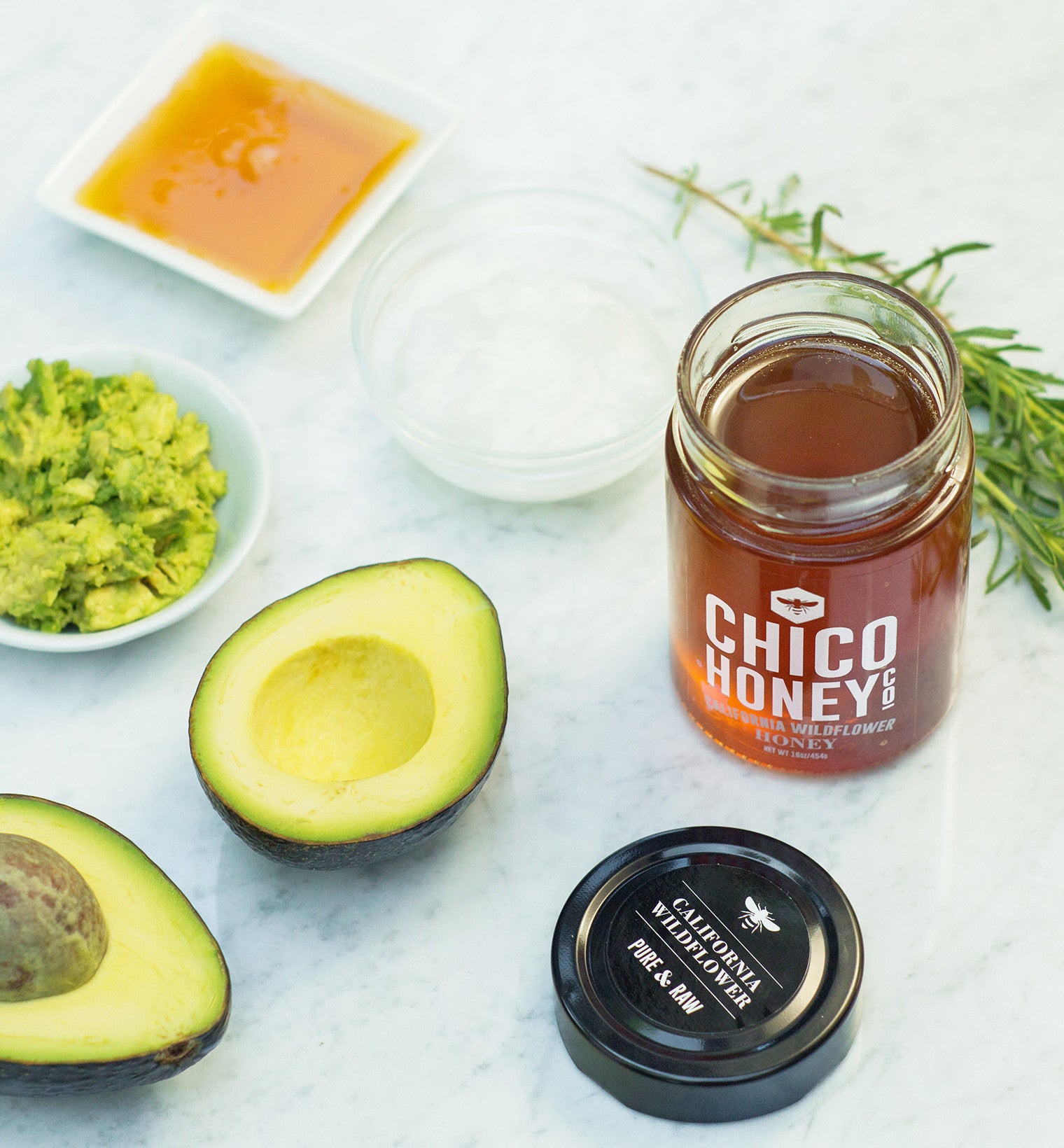
Use Honey for Strength and Shine
Add one teaspoon of raw honey, a natural humectant and antioxidant. It improves elasticity and prevents breakage, making it ideal for weak, brittle, or frizzy hair.
Include Avocado for Deep Moisture
Blend in half a mashed avocado for extra fatty acids and lecithin. This turns your mask into a salon-level hydrator perfect for dry, curly, or chemically treated hair.
Try Egg Yolk for Protein Repair
Add one egg yolk to strengthen damaged hair. It delivers lipids and proteins that rebuild weak strands. Rinse with cool water to avoid cooking the egg.
Use Bentonite Clay for Scalp Detox
Mix in one teaspoon of bentonite clay or apple cider vinegar to draw out toxins and excess oil. This works best for product buildup or acne-prone scalps.
Never store leftover mixtures. Prepare fresh each time to avoid bacterial growth and oxidation.
Follow the Right Frequency
Weekly for Most Hair Types
Use the treatment once per week for balanced results. This gives time for benefits to build without over-drying or clogging pores.
Every 10 to 14 Days for Oily or Fine Hair
If your scalp gets greasy quickly, limit use to every ten to fourteen days. Focus application on the scalp only and avoid the lengths.
Twice Weekly Maximum for Severely Dry Hair
Only increase to twice weekly if hair is extremely dry or damaged, and monitor closely for any signs of irritation.
Never use daily. Citric acid can disrupt your scalp’s pH and cause inflammation with frequent application.
Know the Side Effects and Risks
Watch for Scalp Irritation
Lemon’s low pH, around two to three, can cause burning, redness, or itching, especially on sensitive skin. Prevent this by diluting lemon with water or reducing the amount, and always patch test first.
Avoid Sun Exposure
Lemon contains furanocoumarins, which increase UV sensitivity. Going outside after treatment raises the risk of sunburn or hyperpigmentation on your scalp. Wait twelve to twenty-four hours before sun exposure, and wear a hat if you must go out.
Prevent Hair Lightening
Citric acid can gradually lighten hair, especially dark or color-treated strands. This may be desirable for subtle highlights but undesirable if you want to preserve your natural color or dyed hair.
Don’t Overuse on Color-Treated Hair
Lemon may fade dye and strip natural oils. If you color your hair, use this mask sparingly or skip it entirely if you’re concerned about fading.
Patch Test Before First Use
How to Test Safely
Mix half a teaspoon of coconut oil with half a teaspoon of lemon juice. Apply behind your ear or on your inner forearm. Wait twenty-four hours and check for redness, swelling, or itching.
Only proceed if no reaction occurs. This step is non-negotiable for safe use.
Who Should Avoid This Treatment
Skip This Treatment If You Have
Open wounds, eczema, or psoriasis on the scalp, allergy to coconut or citrus, or recent chemical treatments like relaxers, keratin, or color. Wait at least one to two weeks after chemical treatments before using this mask.
Not a cure-all: If dandruff or hair loss persists after six to eight weeks, consult a dermatologist instead of relying on home remedies.
Target Common Hair Concerns Effectively
Fix Dandruff and Itchiness
Coconut oil kills fungus and hydrates dry flakes while lemon exfoliates and restores scalp pH. Massage into the scalp, leave for one hour, and double shampoo for best results.
Fight Dryness and Frizz
Coconut oil penetrates the cortex to prevent protein loss while lemon removes buildup that blocks moisture. This combination works best for curly, coarse, or heat-damaged hair.
Boost Shine and Luster
Lemon clarifies residue from styling products while smoothed cuticles reflect more light. Expect immediate brightness after your first use.
Support Hair Growth
Massage increases blood flow, lauric acid nourishes follicles, and vitamin C strengthens scalp tissue. Expect reduced shedding in six to eight weeks with consistent use.
Slow Premature Greying
Both ingredients contain antioxidants that fight oxidative stress, a key cause of graying. Vitamin C and copper support melanin production. No clinical proof exists that it reverses gray hair, but many users report healthier texture and shine.
Match the Mask to Your Hair Type

Oily Scalp? Reduce Oil, Increase Lemon
Use one tablespoon coconut oil and two tablespoons lemon juice. Apply only to the scalp, not the ends, and use every ten days.
Dry or Damaged Hair? Go Heavy on Oil
Use three tablespoons coconut oil and one tablespoon lemon juice. Apply to the ends and leave overnight weekly for intensive hydration.
Fine Hair? Lighten the Load
Use one tablespoon of each and apply only from mid-shaft down. Avoid the scalp entirely to prevent flatness.
Curly or Coily Hair? Embrace the Moisture
This combo is ideal for curly textures. Use the full ratio weekly and consider adding honey or avocado for extra hydration.
Color-Treated Hair? Use Sparingly
Limit to once every two to three weeks with reduced lemon. Avoid altogether if you’re concerned about fading.
Maintain Results With Smart Habits
Be Consistent
Visible improvements start in four to six weeks. Full benefits appear after two to three months of weekly use. Patience is key.
Support From Within
Eat biotin-rich foods like eggs, nuts, and spinach. Stay hydrated with two to three liters of water daily. Take omega-3 supplements or eat salmon and flaxseeds for scalp health.
Protect Your Hair
Use satin pillowcases to reduce friction. Detangle with a wide-tooth comb starting from the ends. Limit heat styling to preserve strength and prevent damage.
Frequently Asked Questions About Coconut Oil and Lemon for Hair
Does lemon and coconut oil remove dandruff?
Yes. The combination effectively treats mild dandruff through multiple mechanisms. Coconut oil moisturizes and combats fungal growth while lemon juice balances pH, exfoliates flakes, and inhibits microbes. However, it may not be sufficient for severe or medically rooted dandruff requiring prescription treatment.
Can I use coconut oil and lemon daily?
No. Daily use is not recommended due to the risk of scalp dryness from citric acid, buildup and greasiness from coconut oil, and increased sun sensitivity. Once per week is the maximum safe frequency for most users.
Should I wash my hair after applying coconut oil and lemon?
Yes. Always shampoo thoroughly after treatment to remove residual oil that attracts dirt, lemon acid that increases sun sensitivity, and exfoliated skin cells and debris. Use a gentle, sulfate-free shampoo and consider double washing for complete cleansing.
Can this mixture cause hair loss?
Not directly when used correctly. However, overuse or irritation from undiluted lemon juice may lead to inflammation-induced shedding or weakened cuticles from excessive acidity. Proper dilution and limited frequency prevent these risks.
When does this remedy not work?
This natural treatment may fail when the underlying cause is scalp psoriasis or seborrheic dermatitis requiring medical intervention. It also may not work if dandruff stems from systemic issues like hormones, stress, or poor diet, or if there’s excessive fungal overgrowth needing antifungal medication.
Key Takeaways for Using Coconut Oil and Lemon on Hair
The coconut oil and lemon hair treatment is a powerful, science-backed natural remedy when used correctly. By following these steps, proper mixing, safe application, thorough rinsing, and smart frequency, you can enjoy healthier, shinier, and stronger hair without harsh chemicals. Always patch test before first use, avoid sun exposure after application, and adjust the ratio for your specific hair type. If problems persist after six to eight weeks, consult a dermatologist. With consistency and care, this simple kitchen remedy can transform your hair routine.