
If you’re struggling with thinning hair, slow growth, or brittle strands, you’ve likely come across biotin oil as a popular solution. Marketed for boosting hair thickness and promoting faster growth, biotin oil has become a staple in many hair care routines. But how do you actually use it? And does it really work?
The truth is, biotin oil isn’t pure biotin—it’s a blend of biotin and nourishing carrier oils like coconut, argan, and castor oil, often enriched with vitamins, keratin, and botanical extracts. While scientific evidence shows that topical biotin alone may not penetrate the scalp effectively, the supporting ingredients in these formulations can significantly improve scalp health, strengthen hair, and reduce breakage—creating the appearance of fuller, healthier growth.
Choose the Right Biotin Oil Formula

Not all biotin oils are created equal. Since biotin itself doesn’t absorb well through the skin, the real power lies in the supporting ingredients. Focus on formulas that include proven hair-strengthening and scalp-nourishing components.
Look for These Key Ingredients
The most effective biotin oils contain complementary ingredients that actually deliver visible results. Here are the components to seek out.
• Panthenol (Provitamin B5): Increases hair fullness, reduces breakage, improves moisture retention
• Hydrolyzed Keratin: Repairs damaged hair cuticles, boosts shine and strength
• Coconut Oil: Penetrates the hair shaft to prevent protein loss and split ends
• Castor Oil (especially black): High in ricinoleic acid, may improve scalp circulation
• Squalane: Lightweight moisture that mimics natural scalp oils
• Bamboo Extract: Rich in silica, supports keratin production
• Argan Oil: Packed with vitamin E and fatty acids to protect against damage
Avoid products with heavy silicones, parabens, or alcohol, which can build up on the scalp or dry out hair over time.
Check for Synergistic Formulations
Top-rated biotin oils often combine biotin with other powerful actives like Alpha Keratin 60ku (found in Virtue products), which repairs hair at a molecular level, and Biovolume 128, clinically shown to increase volume. Rahua oil, an Amazonian botanical, strengthens and conditions while delivering measurable improvements in hair texture, resilience, and volume.
Apply Biotin Oil Correctly for Best Results
Using biotin oil the right way makes all the difference. A rushed or incorrect application can lead to greasy roots, clogged pores, or no visible change at all.
Do a Patch Test First
Before applying to your scalp, test a small amount behind your ear or on your inner forearm. Wait 24 hours to rule out allergic reactions, especially if the oil contains essential oils or botanical extracts.
Section Hair for Full Coverage
Clip hair into 4–6 sections using duckbill clips. This ensures even distribution, especially for thick or long hair. Work on one section at a time to avoid missing spots.
Apply Directly to the Scalp
Use the dropper or your fingertips to apply oil directly to the scalp, not just the hair. Focus on thinning areas like the crown, temples, and part lines. Use small amounts (5–10 drops for short hair, up to 20 for long hair) to avoid excess buildup.
Massage to Stimulate Growth
Massage in circular motions for 5–10 minutes. This boosts blood flow to hair follicles, which may enhance nutrient delivery. Think of it as a mini scalp workout—consistent massage can support healthier growth cycles.
Distribute Down the Lengths
After treating the scalp, run remaining oil through mid-lengths and ends. This prevents dryness, split ends, and breakage. Don’t oversaturate—over-moisturizing can weaken hair over time.
Decide on Leave-In vs. Wash-Out Use

How long you leave biotin oil in depends on your hair type and goals.
For Deep Conditioning (Weekly)
Leave on for 30 minutes to overnight. Ideal for dry, damaged, or curly hair. Cover with a shower cap to prevent transfer and boost absorption. Wash out with a gentle, sulfate-free shampoo.
For Daily Maintenance
Use 1–2 drops on fingertips, rub together, and lightly smooth over flyaways or ends. Avoid roots to prevent greasiness. Acts as a natural shine serum and heat protectant.
Use Biotin Oil at the Right Frequency
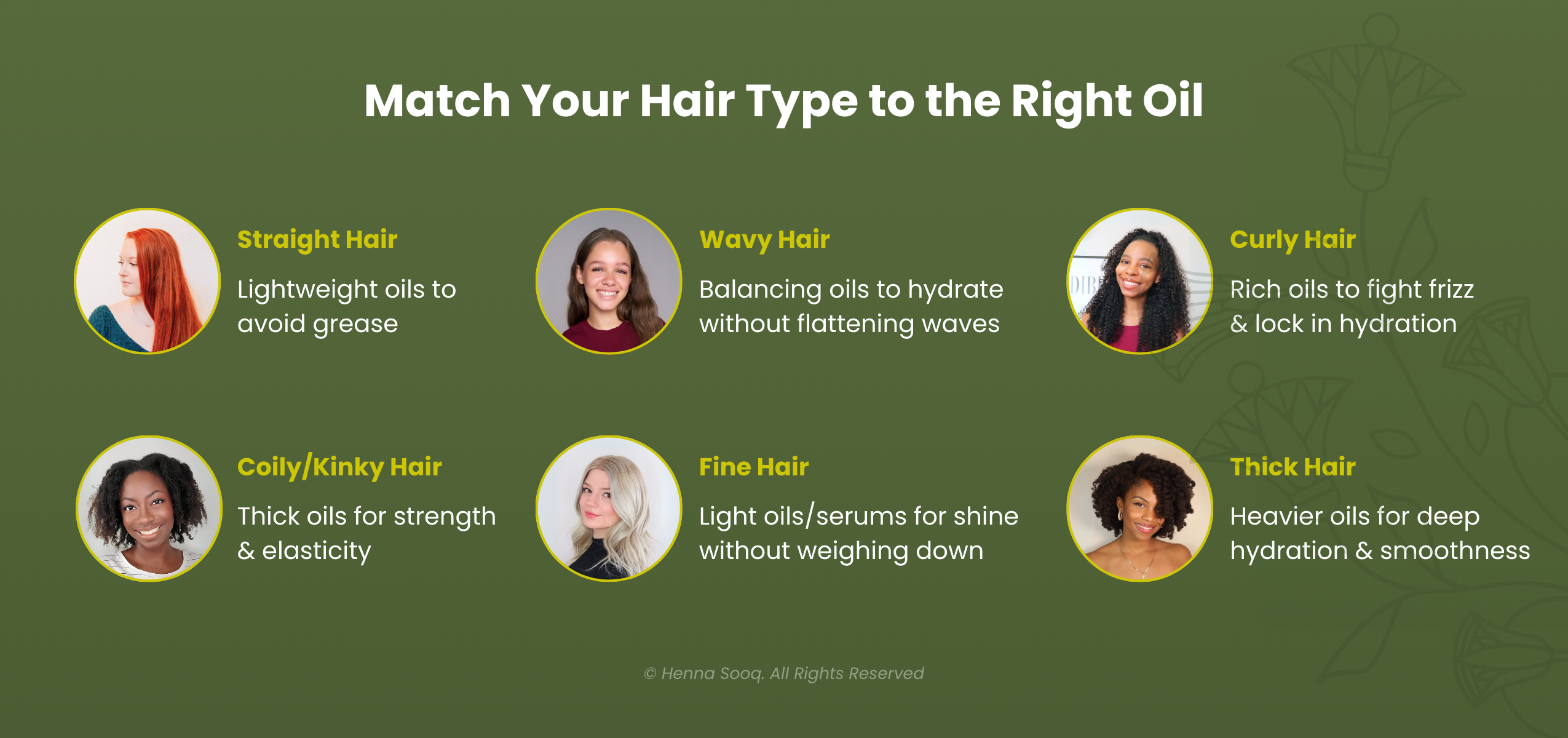
Overuse can lead to scalp buildup and clogged follicles. Underuse won’t deliver results. Find the sweet spot.
• Fine or oily hair: 1x per week (scalp), daily (ends only)
• Thick, dry, or curly hair: 2–3x per week
• Damaged or chemically treated hair: 2x per week + daily end treatment
• Scalp concerns (dryness, flaking): 2x per week with massage
Consistency is key. Results typically appear after 3–6 months of regular use, aligning with the hair growth cycle.
Pair Topical Oil with Oral Biotin (Optional)

While topical biotin oil supports external hair health, oral biotin addresses internal needs, especially if you’re deficient.
Oral Biotin Dosage Guidelines
The daily requirement according to the NIH is 30 mcg for adults. Common supplement doses range from 1,000–10,000 mcg (1–10 mg). Most supplements contain 650 times the daily need. This is safe due to water solubility, but not always necessary.
Who Might Benefit from Supplements
People with brittle nails and thinning hair may benefit, along with those with digestive issues affecting nutrient absorption. Pregnant or breastfeeding women should consult a doctor first. Individuals with restricted diets like vegan or low-protein diets may also benefit.
Warning: High-dose biotin can interfere with lab tests (thyroid, cardiac enzymes). Stop taking it 3–5 days before blood work and inform your doctor.
Support Growth with Diet and Lifestyle
Biotin oil works best when combined with a holistic hair care strategy.
Eat Biotin-Rich Foods
You can get enough biotin from food alone if your diet is balanced. Include eggs (yolks), nuts and seeds like almonds, walnuts, and sunflower seeds, fatty fish such as salmon, sardines, and tuna, and vegetables like sweet potatoes, spinach, and broccoli. Avocados, legumes, and mushrooms also contribute.
Boost Overall Hair Health
Stay hydrated because dry hair breaks easily. Manage stress since chronic stress triggers shedding. Sleep 7–9 hours because hair repairs during deep sleep. Exercise regularly to improve circulation to the scalp.
Avoid Common Mistakes
Even with the best product, poor habits can sabotage results.
Using Too Much Oil
This leads to greasy scalp, clogged follicles, and temporary shedding. Start with less—5 drops max for short hair.
Skipping the Scalp
Applying only to ends moisturizes but doesn’t support growth. Always massage into the scalp for circulation and nutrient delivery.
Expecting Fast Results
Hair grows about 0.5 inches per month. Track progress with monthly photos. Look for reduced shedding, improved texture, and shine.
Ignoring Underlying Issues
Biotin won’t fix genetic baldness, hormonal imbalances, or autoimmune conditions. See a dermatologist if you have sudden or patchy hair loss.
Monitor for Side Effects
Biotin oil is generally safe, but watch for scalp irritation (could be an allergy to carrier oils or fragrance), breakouts along the hairline (oil buildup can clog pores), and increased shedding initially (often due to massage loosening dormant hairs, which is normal). If irritation persists, discontinue use and patch test individual oils.
Realistic Expectations: What Biotin Oil Can and Cannot Do
What It Can Do
Biotin oil can improve hair shine, softness, and manageability. It can reduce breakage and split ends, strengthen fragile hair, support scalp hydration and health, and enhance the appearance of thickness and volume.
What It Cannot Do
Biotin oil cannot stimulate new hair growth in bald patches, cure genetic hair loss (androgenetic alopecia), replace medical treatments for conditions like alopecia areata, or deliver results in under 8 weeks.
Bottom line: Biotin oil is a supportive treatment, not a miracle cure. It works best as part of a complete regimen.
Top-Rated Biotin Oil Products

Choose products that combine biotin with clinically effective ingredients.
• Coco & Eve Hair Volumising Shampoo & Conditioner: Biotin + panthenol + coconut oil; proven to increase volume in 3 months
• JVN Embody Volumizing Conditioner: Lightweight, adds bounce to fine hair
• Ouai Fine Shampoo & Conditioner: Biotin + hydrolyzed keratin; protects fragile strands
• Olaplex No. 4 Shampoo: Biotin + bond-repairing technology for damaged hair
• Virtue Full Shampoo: Biotin + alpha keratin 60ku; strengthens and repairs
• Augustinus Bader The Leave-In: Multi-protectant with biotin and heat defense
• Rahua Enchanted Island Shampoo: Biotin + Amazonian oils; nourishing and aromatic
These products use biotin as part of a broader hair-support system, not as a standalone fix.
Frequently Asked Questions About Biotin Oil for Hair Growth
How long does it take to see results from biotin oil?
Visible improvements typically appear after 3–6 months of consistent use. Changes may include reduced shedding, increased shine, improved texture, and slightly faster growth. Patience and continuity are essential.
Can biotin oil cause hair loss?
No, biotin oil itself does not cause hair loss. However, sudden changes in hair care routines, allergic reactions to carrier oils, or scalp buildup from overuse may temporarily increase shedding. True biotin-induced hair loss is not documented.
Is biotin or collagen better for hair growth?
Biotin has more research behind it, particularly for deficiency-related hair loss. Collagen provides amino acids that support hair structure but lacks robust clinical evidence for topical use. Biotin is considered a safer bet based on current data, especially when combined with a holistic approach.
Can you get enough biotin from food alone?
Yes, most people consuming a balanced diet obtain sufficient biotin. However, those with dietary restrictions, digestive issues, or increased needs (like pregnancy) may benefit from supplementation.
Does biotin work for all types of hair loss?
Biotin is most effective for hair thinning related to nutritional deficiencies. It is less likely to impact androgenetic alopecia (genetic pattern baldness), telogen effluvium caused by hormonal imbalances, or autoimmune conditions like alopecia areata. In such cases, medical evaluation and targeted treatments are recommended.
Can I use biotin oil on colored or chemically treated hair?
Yes, biotin oil is generally safe for colored or chemically treated hair. In fact, it can help repair damage from coloring, perming, or heat styling. Just ensure the product doesn’t contain harsh ingredients that might strip color.
Key Takeaways for Using Biotin Oil Effectively
Biotin oil won’t magically grow inches of hair overnight. But when used correctly, with the right formula, proper technique, and supportive habits, it can transform weak, lifeless hair into stronger, shinier, and more resilient locks.
First, choose high-quality formulations that combine biotin with proven ingredients like panthenol, keratin, and natural oils. Second, apply consistently 1–3 times per week, massaging into the scalp to stimulate circulation. Third, pair with oral biotin under medical guidance if your dietary intake is low. Fourth, maintain realistic expectations because results develop gradually over months, not weeks. Fifth, support with lifestyle habits including balanced diet, hydration, stress reduction, and gentle hair care.
Focus on long-term scalp and hair health, not quick fixes, and you’ll see the difference strand by strand.