If your hair feels dull, your scalp itches more than usual, or you are noticing increased shedding, you are not alone. Many people struggle with scalp imbalance and thinning hair, but nature offers a powerful ally in bergamot essential oil. Extracted from the peel of the Citrus bergamia fruit, this aromatic oil can stimulate hair growth, soothe an irritated scalp, and boost shine when used correctly. In this guide, you will learn exactly how to use bergamot essential oil for hair, step by step, with science-backed methods and safety tips.
Activate Hair Follicles for Hair Growth
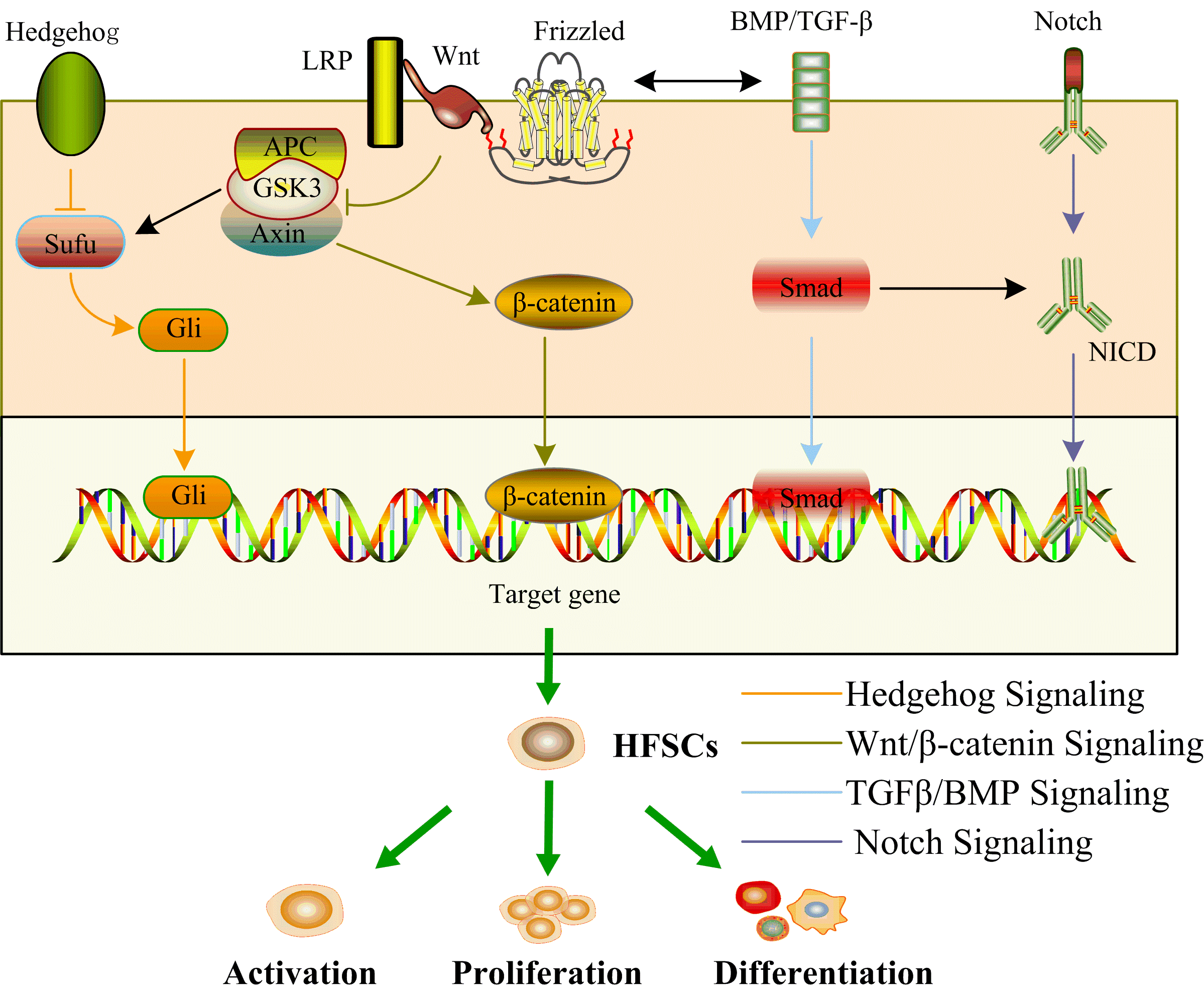
Bergamot essential oil does more than smell refreshing. Research shows it activates the Wnt/β-catenin signaling pathway, a biological switch that pushes hair follicles from the resting phase into active growth. The polyphenols and phytocompounds in bergamot signal dormant follicles to re-enter the growth cycle, supporting thicker regrowth over time. This makes it particularly beneficial for early-stage thinning, post-stress shedding, or general hair revitalization. Combine bergamot with scalp massage to boost circulation and enhance oil absorption for better results.
Block DHT to Prevent Hair Loss
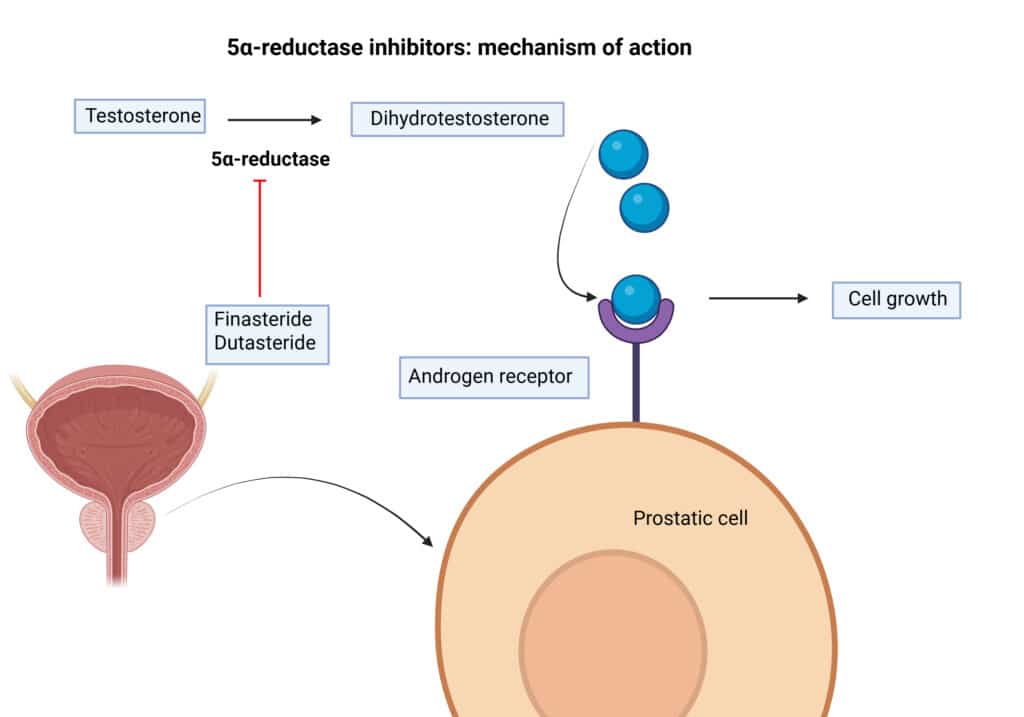
Dihydrotestosterone (DHT) is a major culprit behind male and female pattern baldness. This hormone shrinks hair follicles over time, leading to finer, shorter strands. Bergamot essential oil inhibits 5α-reductase, the enzyme that converts testosterone into DHT. This action helps slow hormonal hair thinning, especially when used consistently. For best results, combine bergamot with other DHT-blocking ingredients like rosemary or saw palmetto. Remember that bergamot works as a supportive strategy rather than a standalone cure for significant hair loss.
Boost Scalp Blood Flow for Healthier Hair

Healthy hair needs nutrients delivered through proper circulation. Bergamot acts as a natural vasodilator, helping blood reach hair follicles more efficiently. The monoterpenes in bergamot help open micro-capillaries in the scalp, enhancing oxygen and nutrient delivery. More oxygen means stronger, longer-lasting hair growth. Apply diluted bergamot oil and massage your scalp for 3 to 5 minutes. You will feel a mild warming sensation, which indicates increased blood flow is working to nourish your follicles.
Fight Scalp Infections and Dandruff
A flaky, itchy scalp often signals microbial imbalance. Bergamot essential oil possesses antimicrobial and antifungal properties that help restore a healthy scalp environment. It effectively targets Malassezia yeast, which is linked to dandruff and seborrheic dermatitis, along with bacteria that contribute to clogged follicles. The compound limonene disrupts microbial cell membranes, while linalyl acetate soothes inflammation. Flavonoids support immune defense on the scalp, resulting in a cleaner, calmer environment ready for healthy hair growth.
Soothe Inflammation and Scalp Irritation
Inflamed follicles cannot grow strong hair. Bergamot helps calm redness, itching, and sensitivity thanks to its anti-inflammatory effects. This makes it ideal for managing scalp psoriasis as a complementary care step, seborrheic dermatitis, post-chemical treatment irritation, or general sensitivity to styling products. Always use diluted oil and perform a patch test first, as even natural oils can irritate sensitive skin. The soothing properties create a more hospitable environment for hair to grow thick and strong.
Protect Against Oxidative Damage
Pollution, UV rays, and daily stress generate free radicals that age hair follicles prematurely. Bergamot essential oil is rich in antioxidants that neutralize this damage. Vitamin C and E scavenge free radicals, while polyphenols shield DNA in hair matrix cells. Flavonoids reduce oxidative stress in follicles, slowing hair aging and supporting long-term follicle health. Incorporating bergamot into your routine helps protect your scalp from environmental damage that would otherwise weaken hair roots over time.
Enhance Hair Shine and Softness
Want salon-like luster without harsh chemicals? Bergamot helps smooth the hair cuticle, reducing frizz and increasing light reflection for enhanced shine. It lightly conditions hair without leaving a greasy residue. Blend bergamot with nourishing carrier oils like argan or coconut for added softness. The result is smoother, shinier, more lustrous hair that smells fresh and citrusy. This benefit is immediate, giving you visible improvement after the first use.
Dilute and Apply Correctly for Safe Use
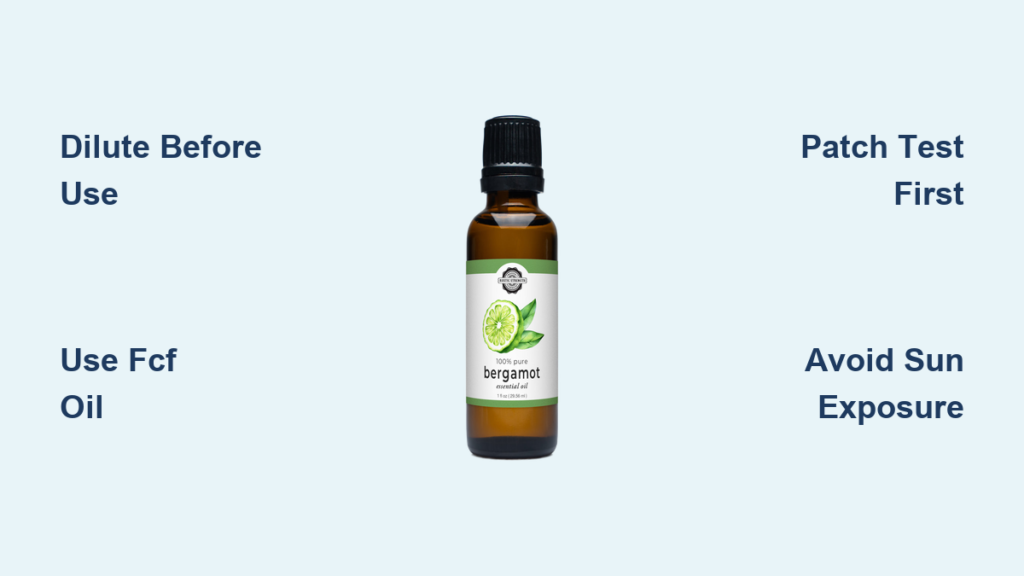
Never apply bergamot essential oil directly to your scalp. It is highly concentrated and can cause irritation or burns. Choose a carrier oil based on your hair type: jojoba oil mimics natural sebum and works for all types, argan oil is rich in vitamin E and great for dry hair, coconut oil penetrates the shaft for deep conditioning, and sweet almond oil is lightweight and perfect for fine hair.
To dilute properly, use 3 to 4 drops of bergamot oil per 1 tablespoon (15 mL) of carrier oil. For sensitive skin, use 1 to 2 drops per teaspoon (5 mL). The maximum safe dilution is 5 percent, or about 30 drops per ounce.
Apply the mixture by parting your hair into sections and using fingertips to massage the oil directly onto your scalp in circular motions for 3 to 5 minutes. Leave the treatment on for at least 20 to 30 minutes before washing, though leaving it overnight (covered with a shower cap) provides the best absorption. Wash thoroughly with a gentle shampoo to remove all oil residue, especially if sun exposure is expected. Start with 2 to 3 applications per week and adjust based on results and scalp tolerance.
Use in Commercial Hair Products Safely
If you are not ready for DIY applications, try bergamot in pre-formulated hair products. Commercial products offer precise, safe dilution and encapsulated oil reduces irritation risk. Short contact time in rinse-off formulas minimizes side effects. Look for bergapten-free (FCF) bergamot oil, which is non-phototoxic and safe for daytime use. Water-free formulas offer longer shelf life without preservatives. Synergistic blends with rice protein, papaya enzyme, or prebiotics provide added benefits. Powder-to-foam shampoos with encapsulated bergamot are ideal for daily use and sensitive scalps.
Avoid Photosensitivity Risks
Bergamot contains bergapten (5-methoxypsoralen), a compound that makes skin highly sensitive to UV light. Sun exposure after application can cause redness, burning, blistering, and dark spots (hypigmentation). Use bergamot oil treatments at night whenever possible. Always wash hair thoroughly before sun exposure. Choose FCF (bergapten-free) oil for daytime use. Perform a patch test first to check for allergic reactions. Following these precautions eliminates the phototoxicity danger while still allowing you to enjoy bergamot benefits.
Patch Test Before Full Use
Even natural oils can irritate. Always test first to avoid adverse reactions. Mix 1 drop of bergamot oil with 1 teaspoon of carrier oil. Apply to your inner forearm or behind your ear. Wait 24 hours. If no redness, itching, or swelling occurs, proceed with full application. Stop immediately if irritation occurs.
Expected Results and Timeline
Different benefits appear at different stages of consistent use. Softer, shinier hair appears after the first use as an immediate cosmetic effect. Less itching and flaking typically appears in 2 to 3 weeks as an early sign of scalp improvement. Reduced shedding occurs around 6 to 8 weeks as follicles stabilize. Thicker hair and visible regrowth require 3 to 6 months of consistency. Results vary based on genetics, diet, and overall health, so pair bergamot use with balanced nutrition for best outcomes.
Best Hair Types for Bergamot Oil
Bergamot works well for multiple hair and scalp types. Oily scalps benefit from its ability to balance sebum production. Dry or damaged hair responds well when paired with argan or coconut oil. Color-treated hair is safe since bergamot does not strip color and supports scalp health. Sensitive scalps should use caution, patch test first, and consider FCF oil. Dandruff-prone scalps benefit from bergamot antimicrobial action that fights flakes and microbes. Thinning hair receives supportive benefits, especially when combined with rosemary for synergy.
Powerful Oil Blends for Hair Growth
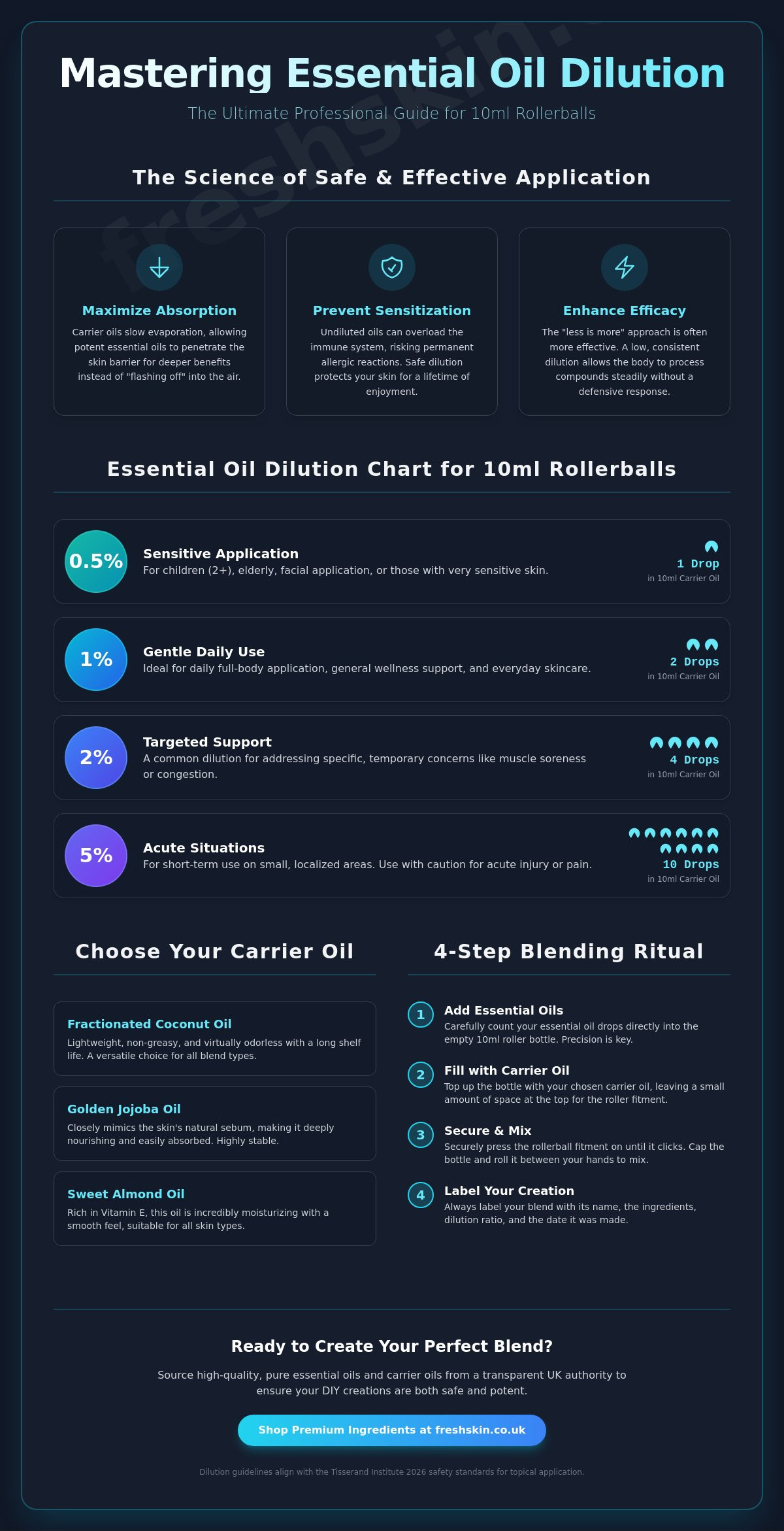
Bergamot works even better with complementary essential oils. Create a growth-stimulating blend using 1 tablespoon jojoba oil, 3 drops bergamot essential oil, 2 drops rosemary essential oil, and 1 drop lavender essential oil. Apply this mixture to your scalp 2 to 3 times per week and leave it on for at least 30 minutes before shampooing. Rosemary boosts circulation and mimics minoxidil effects, lavender calms the scalp and supports the hair cycle, and bergamot activates follicles while protecting from damage. This blend smells amazing and reduces stress, offering a double benefit.
Choose High-Quality Bergamot Oil

Not all essential oils are created equal, and quality matters significantly. Look for 100 percent pure, therapeutic-grade oil with the botanical name Citrus bergamia. Choose cold-pressed extraction from the peel. Packaging should be in dark glass bottles to protect from light degradation. The label should include batch number, expiration date, and country of origin. Prefer bergapten-free (FCF) versions for safer topical use. Recommended brands include Plant Therapy (offers FCF bergamot), Gia Labs, and Klear Naturals. Avoid synthetic blends, fragrance oils, or oils sold in clear bottles.
Maximize Results with Consistency
Bergamot essential oil is not a quick fix, but it is a powerful long-term ally for hair health. Be consistent and use it 2 to 3 times weekly for at least 3 months. Combine with healthy habits including adequate sleep, proper hydration, and low stress levels. Protect your scalp from sun exposure, especially when using regular (non-FCF) oil. Monitor progress by taking monthly photos to track changes. Pair with a gentle, sulfate-free shampoo to maintain scalp balance. Consistency over 8 to 12 weeks yields the most visible changes.
Frequently Asked Questions About Bergamot Essential Oil for Hair
How often should I use bergamot essential oil for hair?
Start with 2 to 3 applications per week. Adjust based on your scalp response and desired results. Consistency is key for visible outcomes, and you should use it regularly for at least 2 to 3 months before expecting significant changes in hair thickness or growth.
Can I apply bergamot essential oil directly to my scalp?
No, never apply bergamot essential oil directly to your scalp without dilution. It is highly concentrated and can cause irritation, redness, or chemical burns. Always dilute it in a carrier oil like jojoba, argan, coconut, or sweet almond oil before application.
Does bergamot essential oil help with hair loss?
Bergamot essential oil may help slow hormonal hair loss by inhibiting DHT production (the enzyme 5α-reductase). It also stimulates hair follicles through the Wnt/β-catenin pathway and improves scalp circulation. However, it works best as a supportive treatment rather than a standalone cure for significant hair loss.
Is bergamot essential oil safe for colored hair?
Yes, bergamot essential oil is safe for color-treated hair when diluted properly. It does not strip hair color and actually supports scalp health, which can help maintain color-treated hair quality. Just ensure you wash thoroughly before sun exposure if using non-FCF bergamot oil.
What is FCF bergamot oil and should I use it?
FCF stands for furanocoumarin-free, meaning the bergapten (the phototoxic compound) has been removed. FCF bergamot oil is non-phototoxic and safe for daytime use. If you plan to be in the sun or use bergamot in the morning, FCF is the safer choice. Regular bergamot oil should only be used at night.
How long does it take to see results from bergamot essential oil?
Immediate results include softer, shinier hair after the first use. Scalp improvement (less itching and flaking) appears in 2 to 3 weeks. Reduced shedding shows around 6 to 8 weeks. Visible regrowth or thickening typically requires 3 to 6 months of consistent use.
Key Takeaways for Using Bergamot Essential Oil

Bergamot essential oil offers a natural, science-backed way to support healthier hair from root to tip. It stimulates hair growth by activating dormant follicles through the Wnt/β-catenin pathway, blocks DHT to prevent hormonal hair loss, improves scalp circulation, fights microbial overgrowth that causes dandruff, soothes inflammation, and adds shine. The most critical safety rules are always diluting before application, using FCF bergamot oil for daytime use, performing patch tests, and washing thoroughly before sun exposure. Consistency matters most, so use your chosen method 2 to 3 times weekly for at least 3 months before evaluating results. Whether you choose DIY oil blends or premium commercial products, bergamot can help you achieve stronger, shinier, more resilient hair naturally.