If you’re experiencing hair thinning or shedding, you may have come across batana oil as a natural remedy. Marketed widely for its rich, nourishing properties, batana oil has gained popularity in the hair care world, especially among those seeking plant-based solutions for stronger, healthier hair. But can it actually stop hair loss or regrow hair? The answer is not straightforward.
While there is no clinical evidence that batana oil stimulates new hair growth or treats genetic balding like androgenetic alopecia, it does play a valuable role in protecting existing hair, reducing breakage, and improving scalp health. This makes it a powerful ally in managing the appearance of hair loss, even if it will not reactivate dormant follicles.
Choose Authentic Batana Oil
Not all batana oils are created equal. Many products labeled batana oil are diluted with cheaper carrier oils like soybean or mineral oil, or contain synthetic fragrances that can irritate the scalp. To get real benefits, you need to select carefully.
Check for Pure, Unadulterated Oil
Authentic batana oil has distinct characteristics that set it apart from inferior products. Look for these indicators when making your purchase.
• Look for 100% pure batana oil with no added ingredients
• Authentic oil has a distinctive smoky, toasted aroma like burnt popcorn or coffee
• If it smells neutral or floral, it is likely refined or fake
• Opt for oils sourced directly from Honduras or Central America
• Choose brands supporting Indigenous Miskito producers
Avoid Synthetic Blends
Products labeled batana-infused or batana blend often contain minimal actual batana oil. These may be easier to apply but lack the full nutrient profile you need for hair support.
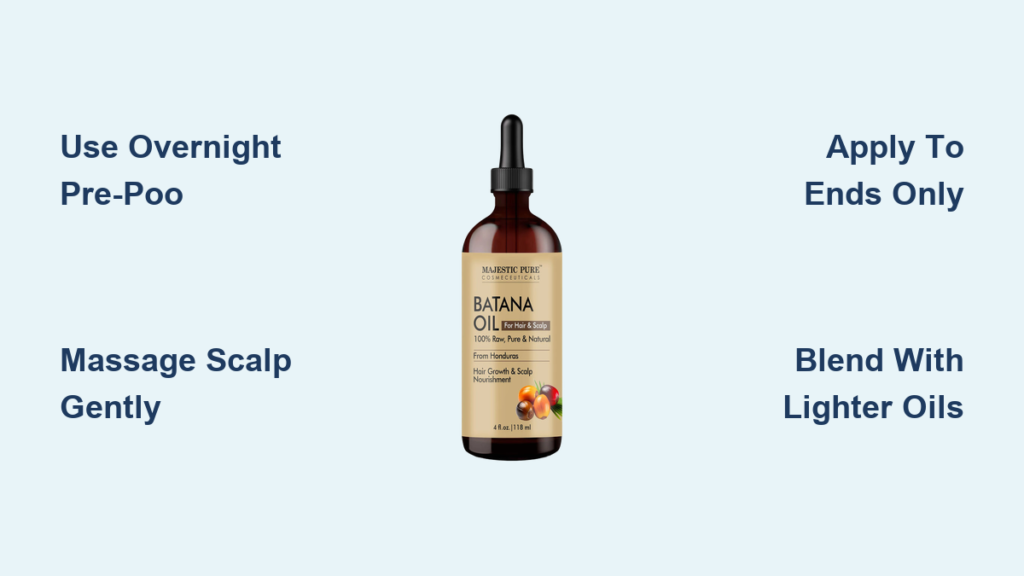
Apply as Overnight Pre-Poo Treatment

One of the most effective ways to use batana oil for hair loss is as a pre-shampoo treatment. Hair is most vulnerable when wet, swelling and cuticle lifting lead to protein loss and breakage. Batana oil forms a protective layer that minimizes this damage.
How to Apply
- Warm one to two tablespoons of oil in your palms or a bowl of warm water
- Section hair and apply from mid-lengths to ends, focusing on damaged areas
- Gently massage a small amount into the scalp if dry or flaky
- Cover with a shower cap and leave overnight for eight or more hours
- Shampoo thoroughly, which may require two washes with a sulfate-free or clarifying shampoo
Frequency
• Once per week for damaged, curly, or chemically treated hair
• Every ten to fourteen days for fine or thinning hair
This method significantly reduces shedding during detangling, not because it stops follicular loss, but because it prevents mechanical breakage.
Massage Into Scalp for Nourishment
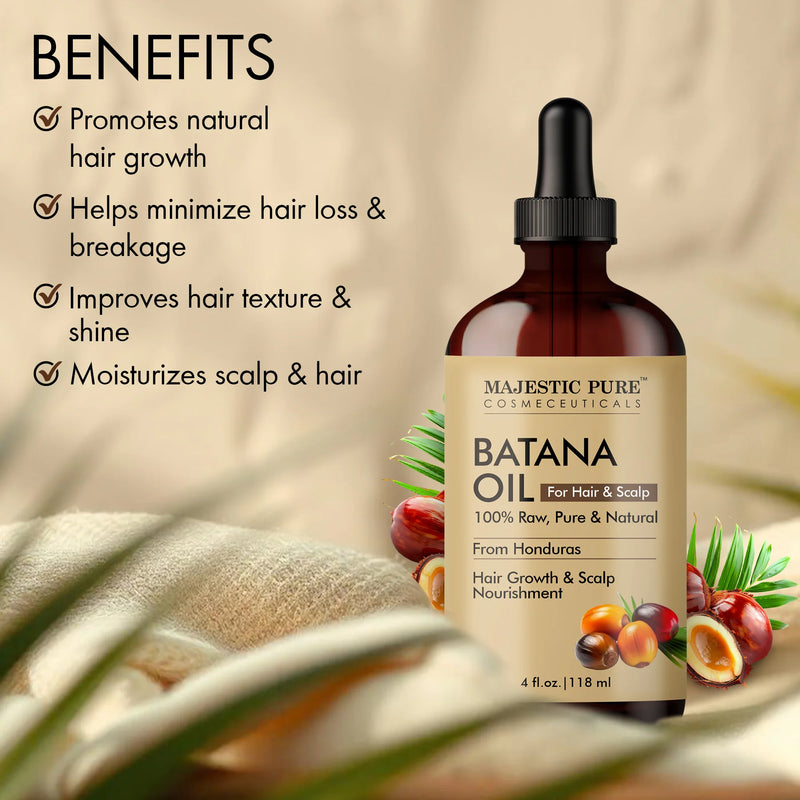
A dry, inflamed, or flaky scalp can worsen the appearance of thinning hair. Batana oil’s vitamin E, fatty acids, and phytosterols help hydrate and calm the scalp, creating a better foundation for strong hair.
How to Use
- Warm one-half to one teaspoon of oil between fingers
- Use fingertips to massage into scalp using small circular motions for five to ten minutes
- Focus on areas with dryness, irritation, or visible thinning
- Leave on for thirty minutes to overnight, then shampoo out
Benefits
• Soothes dryness and mild dandruff
• May improve local blood flow
• Enhances moisture retention in scalp tissue
Caution
Avoid daily use, as over-moisturizing can clog follicles. This method is not recommended for oily or acne-prone scalps without thorough cleansing.
Use as a Leave-In Sealant
For those with thinning or fine hair, heavy oils can flatten strands and make hair look thinner. But used sparingly, batana oil can be an excellent leave-in sealant to lock in hydration after styling.
How to Apply
- After applying a water-based leave-in conditioner or moisturizer, take two to three drops of batana oil
- Rub between palms and smooth over ends and mid-lengths
- Avoid roots unless scalp is dry
Best For
• Wash-and-go styles
• Twists, braids, or bantu knots
• High-porosity or curly hair
Too much oil can cause buildup. Use less than you think you need, especially on fine or low-density hair.
Treat Split Ends Regularly
Split ends lead to further breakage up the hair shaft, making hair appear thinner over time. Batana oil helps seal and strengthen ends, slowing down deterioration.
How to Use
- Apply two to three drops directly to ends
- Do this thirty to sixty minutes before shampooing
- Comb through gently to distribute
Results
• Reduces single-strand knots
• Improves slip during detangling
• Preserves length and fullness
Pair with regular trims every eight to twelve weeks for maximum effect.
Blend With Lighter Oils
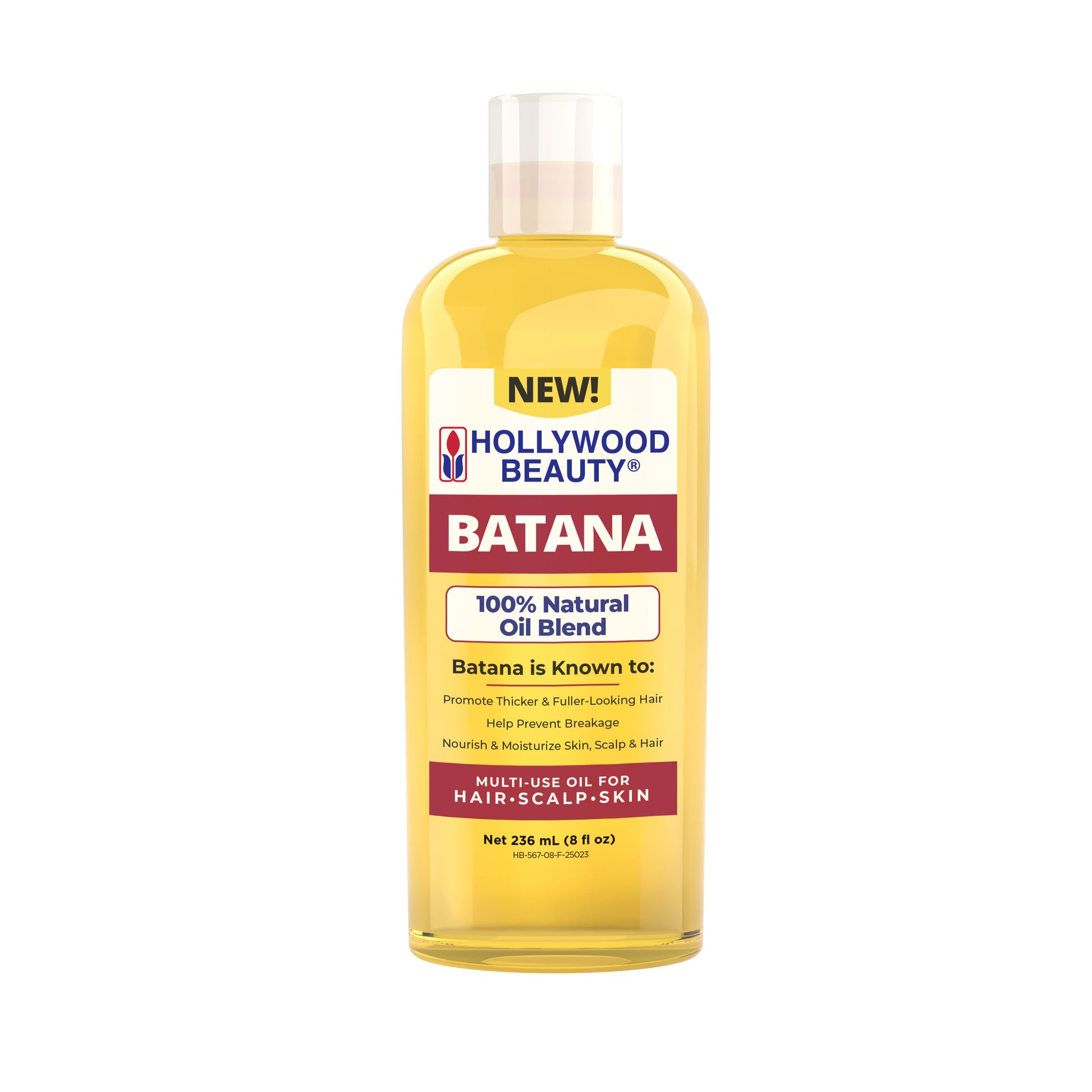
Pure batana oil is thick and buttery, ideal for coarse, curly hair but potentially overwhelming for finer textures. Blending it with lighter oils improves spreadability and reduces greasiness.
Recommended Blends
• With jojoba oil: mimics natural sebum, great for all hair types
• With argan oil: adds shine without heaviness
• With coconut oil: boosts penetration for deep conditioning
• With castor oil: may enhance retention, though evidence is anecdotal
For Thinning Hair
Use a three-to-one ratio of jojoba to batana oil to reduce weight while retaining benefits. Blending does not reduce effectiveness, it enhances usability and comfort.
Know Your Hair Type Suitability
Batana oil is not one-size-fits-all. Understanding your hair and scalp type ensures you get benefits without side effects.
Ideal For
• Curly, coily, or kinky hair that absorbs heavy oils well
• Dry, brittle, or chemically damaged strands
• Dry or flaky scalps needing deep nourishment
• Protective style wearers needing edge and scalp hydration
Use With Caution If
• You have fine or straight hair, which risks flattening
• Your scalp is oily or acne-prone, as it can clog follicles
• You suffer from folliculitis or seborrheic dermatitis
• Hair is thinning at the crown or temples, where heavy scalp application should be avoided
If hair is thinning, focus on lengths and ends only. Over-oiling the scalp can lead to buildup that mimics or worsens hair loss.
Cleanse Thoroughly After Use
Because batana oil is thick and occlusive, it can accumulate on the scalp and hair if not washed properly. Buildup leads to itching, clogged follicles, and a weighed-down look, all of which can make thinning appear worse.
Cleansing Protocol
• Use a sulfate-free shampoo for regular washing
• Every two to four weeks, use a clarifying or chelating shampoo to remove residue
• Consider co-washing after oil treatments to preserve moisture while gently cleansing
Warm water helps dissolve the oil. Rinse thoroughly before shampooing.
Set Realistic Expectations
It is essential to separate marketing claims from reality. Batana oil is not a cure for hair loss, but it is a powerful tool for hair preservation.
Supported Benefits
• Reduces breakage and split ends
• Improves shine, softness, and manageability
• Soothes dry, itchy scalp
• Protects against UV, heat, and chemical damage
• Creates illusion of thicker, fuller hair
Unsupported Claims
• Does not stimulate new hair growth
• Does not treat genetic balding
• Does not block DHT or reactivate dormant follicles
As trichologist Gabpardi notes, hair density and growth can only be achieved using the correct medication. Batana oil helps reduce frizz and breakage, but it will not grow new hair.
Combine With Proven Hair Loss Treatments

For real progress against hair loss, batana oil should be part of a broader strategy that includes clinically proven therapies.
Recommended Pairings
• Minoxidil: Apply first to clean, dry scalp, wait thirty minutes, then use batana oil on lengths
• Finasteride: Oral medication, batana oil complements by protecting existing hair
• Rosemary essential oil: Dilute three to five drops in carrier oil like jojoba and apply to scalp daily
• Low-Level Laser Therapy: Use laser cap before or after oil treatment for enhanced circulation
Address Root Causes
• Test for iron, vitamin D, zinc, or biotin deficiency
• Rule out thyroid issues, PCOS, or stress-related shedding
• Review medications that may cause hair loss
Batana oil works best when used alongside medical treatments, not instead of them.
Monitor for Side Effects
While generally safe, batana oil can cause issues if misused.
Potential Risks
• Folliculitis from oil buildup
• Contact dermatitis causing itching, redness, or rash
• Greasy appearance especially on fine or thin hair
• Buildup along hairline that can mimic recession or cause irritation
How to Prevent
• Do a patch test behind the ear or on inner forearm twenty-four hours before first use
• Use minimal amounts near the hairline
• Wash regularly with a clarifying shampoo
Stop immediately if you experience swelling, burning, or worsening hair fall.
Track Results Over Time

Unlike medications that may show results in three to six months, batana oil’s benefits are cosmetic and structural, not regenerative.
What to Expect
• Week two to three: less frizz, improved shine, easier detangling
• Week four to six: noticeable reduction in breakage during brushing
• Month two and beyond: stronger ends, less shedding due to reduced breakage
No regrowth is normal. Batana oil preserves, it does not regenerate.
Final Recommendations for Using Batana Oil
Batana oil is not a miracle cure for balding, but it is a highly effective natural conditioner and protector. When used correctly, it helps maintain the health and appearance of thinning or fragile hair.
Quick Summary
• Best for coarse, dry, damaged, or curly hair
• Best method is overnight pre-poo or mid-lengths and end treatment
• Frequency is once per week, adjusted for hair type
• Pair with minoxidil, rosemary oil, or medical treatments
• Do not expect new hair growth or reversal of genetic loss
Think of batana oil as sunscreen for your hair. It will not grow new strands, but it protects the ones you have from daily damage. For true regrowth, consult a dermatologist. For strength, shine, and reduced breakage, batana oil delivers.
Frequently Asked Questions About Batana Oil for Hair Loss
Does batana oil actually regrow hair?
No, there is no clinical evidence that batana oil stimulates new hair growth or treats genetic hair loss. It works by protecting existing hair, reducing breakage, and improving scalp health, which can make thinning hair appear fuller.
How often should I apply batana oil for best results?
Apply batana oil once per week for damaged, curly, or chemically treated hair. For fine or thinning hair, apply every ten to fourteen days. Consistent use over four to six weeks is needed to see visible improvements in breakage and shine.
Can I leave batana oil on my scalp overnight?
Yes, you can leave batana oil on your scalp overnight as a pre-poo treatment. Cover with a shower cap, leave for eight or more hours, then shampoo thoroughly. However, avoid this if you have an oily or acne-prone scalp, as it may clog follicles.
Is batana oil good for thinning hair?
Batana oil can benefit thinning hair by reducing mechanical breakage and improving strand strength. However, apply it primarily to mid-lengths and ends rather than the scalp to avoid buildup that can worsen the appearance of thinning.
What does authentic batana oil smell like?
Authentic batana oil has a distinctive smoky, toasted aroma similar to burnt popcorn or burnt coffee. If the oil smells neutral or floral, it is likely refined, diluted, or synthetic.
Can I mix batana oil with other oils?
Yes, blending batana oil with lighter oils like jojoba, argan, or coconut improves spreadability and reduces heaviness. For thinning hair, use a three-to-one ratio of jojoba to batana oil to avoid weighing down strands.