Gel is a go-to styling product for sleek edges, defined curls, and long-lasting hold. But over time, it can build up on your scalp and hair, leaving behind stiffness, flakiness, and dullness. If your hair feels crunchy, won’t absorb moisture, or looks greasy even after washing, gel buildup is likely the culprit. Knowing how to remove gel from hair effectively isn’t just about cleanliness. It is essential for maintaining scalp health, preventing breakage, and preserving your hair’s natural strength and shine.
Water alone will not cut it. Most gels form a polymer film that resists rinsing, requiring mechanical or chemical intervention for full removal. The best method depends on your hair type, gel strength, and washing frequency. This guide delivers proven, step-by-step solutions for removing gel safely without damage, plus smart prevention tips to keep your hair fresh between washes.
Decode Gel Buildup: Why It Sticks
Recognize the Signs of Residue
Gel does not vanish after a quick rinse. When left behind, it forms an invisible barrier that blocks moisture, irritates the scalp, and weakens hair over time. Key signs include:
- Hair feels stiff, sticky, or crunchy
- Scalp appears flaky or white, mimicking dandruff
- New products do not absorb properly
- Hair lacks shine, volume, or softness
- Itching or clogged follicles along the hairline
Ignoring these signals can lead to folliculitis, thinning edges, and breakage, especially in high-stress areas like the temples and nape.
Know What Is in Your Gel
Different gels require different removal strategies. Common ingredients affect how easily they wash out:
- PVP/VP-VA copolymers: Strong-hold films that resist water
- Alcohols (ethanol, isopropyl): Dry quickly but dry out hair
- Silicones/oils: Add shine but may need clarifying
- Resins (in edge control): Extra-sticky, require oil dissolution
Water-soluble gels rinse easier, while alcohol-heavy or resin-based formulas demand deeper cleansing.
Avoid Long-Term Damage
Chronic buildup is not just uncomfortable. It is harmful. Left unchecked, it can:
- Block hair follicles, slowing growth
- Prevent moisture penetration, causing dryness and brittleness
- Increase tension during detangling, leading to shedding
- Disrupt the scalp microbiome, triggering inflammation
Expert Insight: Wet, gel-coated hair is fragile. Detangling before removal causes breakage. Always soften and loosen gel first.
Remove Gel from Curly and Coily Hair (Type 4)

Pre-Wet Thoroughly
Start by saturating hair under warm water for 2 to 5 minutes. This step is critical for low-porosity Type 4 hair, which resists water absorption. Extended wetting helps soften hardened gel and prepares strands for safe detangling.
Pro Tip: Use a shower cap during pre-wetting to trap heat and boost penetration.
Condition Before Detangling
Apply a moisturizing rinse-out conditioner (like Aussie Moist) from root to tip. Use fingers only to detangle, starting at the ends and working upward. This minimizes stress on fragile, gel-coated curls.
For tight knots, keep scissors in the shower to cut them out safely. Never pull tangled hair.
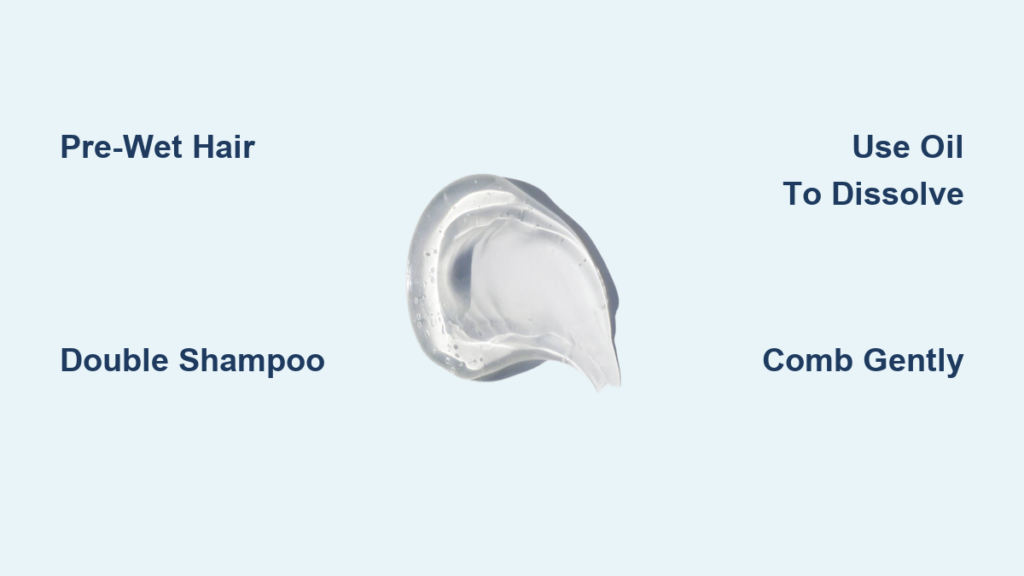
Double Shampoo for Full Cleanse
- First Wash: Use a clarifying or sulfate-free shampoo (e.g., Me L Rosemary Shampoo). Focus on scalp, hairline, crown, and nape, which are common buildup zones.
- Second Wash: Reapply shampoo to ensure invisible polymers and residue are fully removed.
Why double cleanse: The first wash breaks down gel. The second removes what is left. Skipping it leads to residual stiffness.
Finish with Light Conditioning
Reapply conditioner after shampooing. No need for deep treatment unless part of your routine. Rinse fully. Efficient washing reduces stress and time under water.
Post-Wash Care Rules
- Never pull out loose strands. Let them shed naturally.
- Trim knots with scissors if needed.
- Detangle gently. Avoid brushes on wet, fragile hair.
Never pull it out. This is a golden rule for preserving hair integrity.
Refresh Fine or Straight Hair Without Washing
Apply Silicone Oil
For mid-week refresh, skip the shower. Pull hair back and apply silicone-based oil (e.g., dimethicone) to the hairline and perimeter. Silicone dissolves gel without greasiness and is heat-safe, unlike coconut oil, which can cause thermal damage when styled with heat tools.
Avoid coconut oil with heat. It can cook hair like oil on a hot pan.
Massage and Loosen Buildup
Gently massage oil into the scalp to break down edge control and gel residue. Focus on stiff or flaky areas, especially around frontals where hair is finer and more prone to thinning.
Comb Out Residue
Use a fine-tooth comb, starting just below the gel line. Work slowly downward. The tight teeth gather and extract gel without pulling hair. This method has been used for over 15 years with zero strand loss.
Target Edges with a Toothbrush
Use a clean, dense-bristle toothbrush to brush along the hairline. It captures residual product missed by the comb, leaving edges smooth and clean.
Blot and Style
Finish by blotting with a paper towel to remove excess oil. No rinse required. Ideal for preserving volume and avoiding flatness.
Cleanse Wavy or Curly Hair (Type 2 to 3)
Mist with Water First
Fill a spray bottle with water and mist sections with buildup. Water dilutes the gel, softening its hold. Alternatively, wet fingers and rub into dry patches.
Detangle Gently by Hair Type
- Wavy or straight: Use a soft boar bristle brush. Start at ends, work up to roots to prevent split ends.
- Curly: Use fingers only. Finger-comb from tips to roots. Never pull.
Remove Excess with a Wide-Tooth Comb
Use a wide-tooth comb to remove surplus gel, detangle without stress, and evenly redistribute product if desired.
No comb? Rub hair gently with a paper towel. Replace when saturated. Repeat until hair no longer feels sticky.
Dry Without Damage
- With blow dryer: Use low heat to avoid cuticle damage. For curls, use a diffuser to enhance definition.
- Air drying: Blot with fresh paper towels, replacing as they get wet, until hair feels dry.
Note: Low heat can help break down residual gel, but high heat damages hair.
Best Shampoo Methods for Full Removal
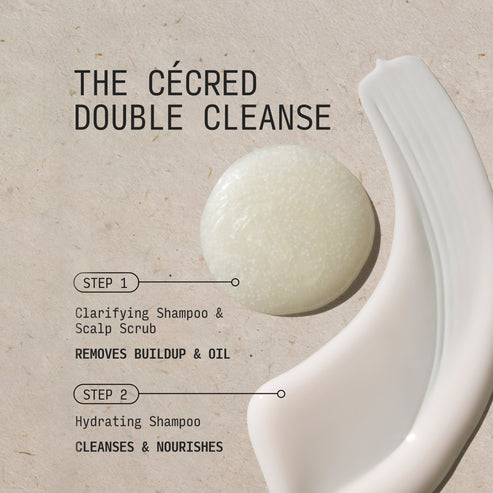
Double Cleanse for Heavy Buildup
When gel feels stiff or flaky, shampoo is the most effective solution. The double cleanse method ensures complete removal. The first wash breaks down gel and lifts residue. The second wash removes invisible polymers and leftover film.
Focus on hairline, crown, and nape, which are buildup hotspots.
Choose the Right Clarifying Shampoo
Recommended options include:
- Me L Rosemary Shampoo: Natural, clarifying, gentle
- Neutrogena Anti-Residue Shampoo: Strong, fast-acting
- Ouai Detox Shampoo: Luxurious, removes buildup without dryness
- Sulfate-free or co-wash: Ideal for sensitive or dry scalps
Use clarifying shampoo once a week if you use gel daily.
Prevent Back Acne
Avoid letting shampoo suds run down your back. Rinse hair forward or use a shower shield to reduce risk of bacne caused by product runoff.
Expert Verdict: To completely get the gel out of hair, nothing is better than shampoo.
No-Shampoo Fixes for Light Buildup
Water and Finger Detangling
For light residue, mist hair with water from a spray bottle. Use fingers to loosen and spread softened gel. Comb or blot with paper towel. This is ideal for mid-day refresh or pre-wash prep.
Oil Treatment for Dissolution
Apply 1 to 2 teaspoons of oil to buildup areas:
- Coconut oil: Penetrates hair, softens gel (best overnight)
- Olive oil: Emollient, loosens residue
- Argan or jojoba oil: Lightweight, great for fine hair
Let sit 15 to 30 minutes, comb out, then use dry shampoo if needed.
User Feedback: Leaves hair conditioned, not stripped.
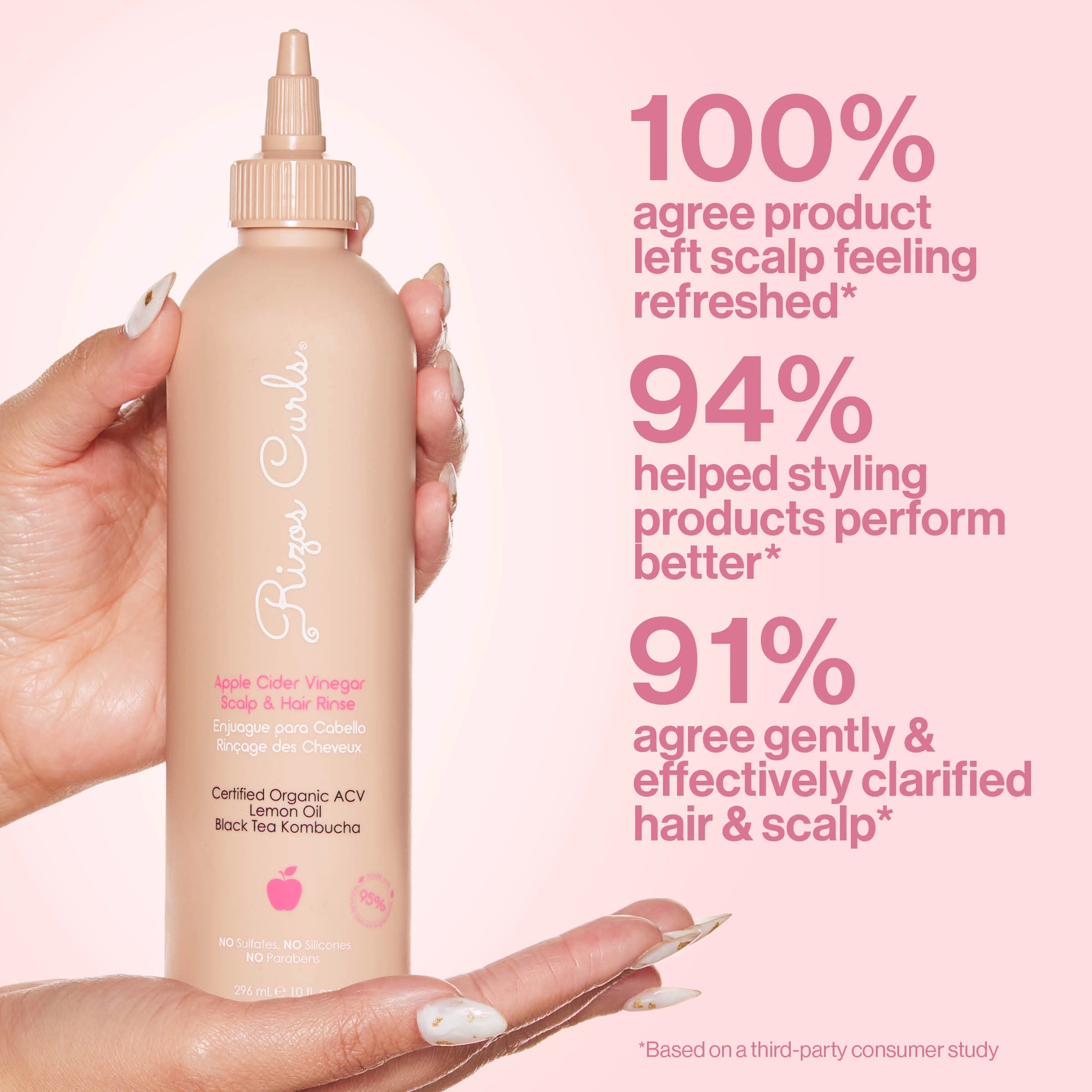
Vinegar Rinse for Polymer Breakdown
Mix 1 part apple cider vinegar with 3 to 4 parts water. Spray or pour onto hair. Massage 2 to 3 minutes, sit 5 to 10 minutes, then rinse with cool water.
Acetic acid dissolves polymer bonds, removes buildup, and restores scalp pH.
Caution: Avoid if you have open cuts or irritation.
Micellar Water for Spot Cleaning
Spray micellar water on roots or edges. Gently rub with cotton pad. No rinse needed. Follow with combing.
This is great for quick fixes but costly for long or thick hair.
Baking Soda Paste (Use Sparingly)
Mix 1 tablespoon baking soda with 2 to 3 tablespoons water. Apply to scalp only (avoid dry lengths). Massage 1 to 2 minutes, wipe with damp cloth or rinse lightly. Follow with moisturizing oil.
Limit to once every 1 to 2 weeks. Overuse disrupts scalp pH.
Essential Tools and Product Guide

Must-Have Tools by Hair Type
| Tool | Best For | Why It Works |
|---|---|---|
| Wide-tooth comb | Curly, coily hair | Prevents breakage during wet detangling |
| Fine-tooth comb | Straight, fine, edges | Extracts gel from hairline |
| Boar bristle brush | Wavy or straight hair | Distributes oils, removes light residue |
| Toothbrush (dense) | Baby hairs, edges | Catches leftover product |
| Spray bottle | All types | Even water distribution |
| Scissors | Stubborn knots | Safe in-shower cutting |
Top Product Picks
| Product | Purpose | Notes |
|---|---|---|
| Aussie Moist Conditioner | Pre- and post-detangle | Affordable, widely available |
| Me L Rosemary Shampoo | Clarifying, double cleanse | Natural, effective on buildup |
| Silicone-based oil | Dissolve gel, heat-safe | Non-greasy, ideal for edges |
| Water | Dilution, pre-wetting | Free, essential, always effective |
Prevent Buildup and Protect Hair Long-Term
Choose the Right Gel
- Opt for water-soluble, labeled easy rinse formulas
- Avoid alcohol-heavy gels if hair is dry or curly
- Use lighter edge control sprays instead of creams
Apply Smartly
- Use gel on damp, not dry hair
- Apply only where needed. Do not overuse
- Avoid piling product on edges
Clean Edges Regularly
If you style daily, clean edges 2 to 3 times a week. Use the oil and comb method to prevent flaking and thinning.
Balance Washing Frequency
- Over-washing strips natural oils, causes dryness
- Under-cleansing leads to buildup and clogged follicles
Aim for 2 to 3 washes per week with one clarifying session.
Frequently Asked Questions About Removing Gel from Hair
Does water alone remove gel from hair?
No. Gel forms a polymer film that resists water alone. You need mechanical action (combing) or chemical breakdown (shampoo, oils, or vinegar) to remove it completely.
How often should I clarify if I use gel daily?
Use a clarifying shampoo once a week if you apply gel daily. Between clarifications, use gentle cleansing or no-wash methods to maintain cleanliness without overdrying.
Can I use coconut oil to remove gel?
Yes, but only if you are not using heat styling afterward. Coconut oil can cause thermal damage when heated, acting like cooking oil on hair. Use silicone-based oils instead if you plan to heat style.
What is the fastest way to remove edge control buildup?
Apply silicone-based oil to the hairline, massage gently, then use a fine-tooth comb starting just below the gel line. Finish with a clean toothbrush to catch residual product.
Can gel buildup cause hair loss?
Yes, if left untreated. Chronic buildup can clog follicles, cause folliculitis, and increase tension during detangling, leading to breakage and thinning, especially at the edges.
Is double shampooing necessary every time?
Double shampooing is recommended for heavy buildup or after using strong-hold gels. For light residue, a single thorough wash with a clarifying shampoo is usually sufficient.
Key Takeaways for Removing Gel from Hair Effectively
Removing gel is not just about cleanliness. It is about hair longevity. Water alone will not dissolve the polymer film that gel creates, so always use proper cleansing methods tailored to your hair type.
For curly and coily hair, pre-wet thoroughly, condition before detangling, and double shampoo to ensure complete removal. For fine or straight hair, the no-wash oil and comb method preserves volume while dissolving residue. For wavy or curly hair, misting with water and using a wide-tooth comb prevents breakage.
Whether you use shampoo or skip the wash, always soften first, detangle gently, and protect your edges. With the right method for your hair type, you can enjoy strong hold today and healthy hair tomorrow.