You’re working on your car, adjusting the oil filter or changing the filter gasket, and suddenly a stream of motor oil lands right on your scalp. You wipe it, but the greasy film stays. No matter how many times you shampoo, your hair still feels slick and smells like the garage. Motor oil is notoriously hard to remove because it’s a heavy, petroleum-based substance that clings to hair shafts and resists regular shampoos. The good news? With the right methods, you can get motor oil out of your hair safely and effectively without resorting to extreme measures like shaving.
This guide reveals the most proven, step-by-step techniques to remove motor oil from hair, based on real user experiences and expert-backed cleaning strategies. From household staples like dish soap and baking soda to clarifying shampoos and dry absorption tricks, you’ll learn exactly what works and what to avoid. Whether you’ve got short hair or long locks, this article gives you the tools to restore clean, healthy hair fast.
Immediate Oil Absorption Steps
When motor oil hits your hair, act fast. The longer it sits, the deeper it penetrates the hair shaft. Your first move should be to absorb as much oil as possible before washing.
Use Dry Absorbents Right Away
Apply one of these powders to the oily section:
• Cornstarch
• Baby powder
• Rice flour
• Baking soda (dry)
Sprinkle about a tablespoon onto the affected area. Work it in with your fingertips, focusing on the roots. Let it sit for 5 to 10 minutes. This gives the powder time to soak up the oil. Then, brush your hair thoroughly to remove the powder and the oil it’s absorbed.
These powders are fine, porous substances that bind to oil through capillary action, pulling it away from the hair. This step won’t remove all the motor oil from your hair, but it reduces the load, making your next cleaning steps much more effective.
Wash with Degreasing Dish Soap
After absorbing surface oil, it’s time to break down what’s left. Regular shampoo won’t cut it. Motor oil needs a strong degreaser.
Choose the Right Dish Soap
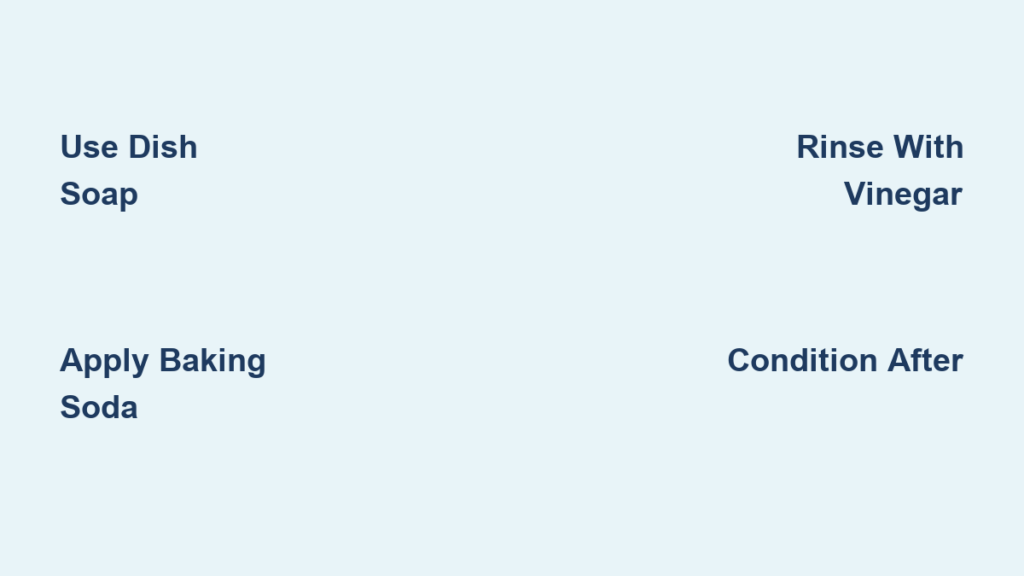
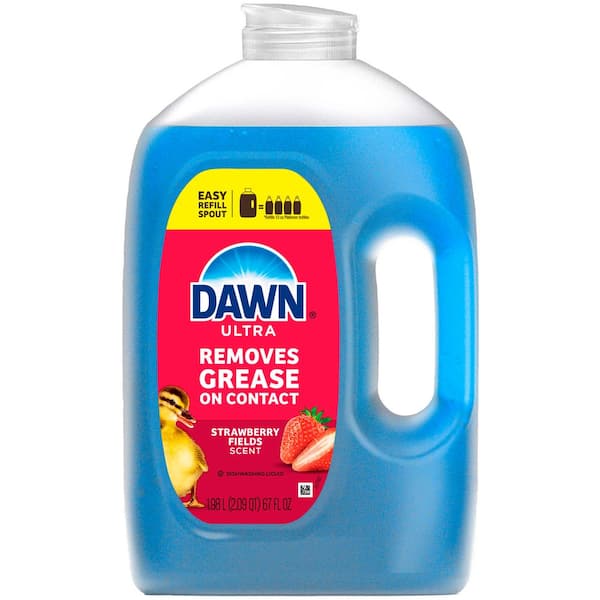
Use blue Dawn or Joy (especially lemon-scented). These soaps are formulated to dissolve grease on dishes, and they work just as well on hair.
How to Use Dish Soap on Hair
- Wet your hair with warm water (not hot, which can irritate your scalp).
- Pour a quarter-sized amount of dish soap directly onto the oily spots.
- Massage it into your scalp and through the lengths for 2 to 3 minutes.
- Rinse thoroughly.
- Repeat if needed. Motor oil often requires 2 to 3 washes.
Dish soap emulsifies motor oil, breaking it into tiny droplets that rinse away with water. One user reported trying Joy first, but after the second wash with Dawn, the oil was completely gone.
Follow with Conditioner
Dish soap is harsh and strips natural oils. Your hair will feel squeaky clean but also dry and brittle. Always apply conditioner immediately after rinsing to restore moisture.
Try Baking Soda for Stubborn Residue

If dish soap isn’t enough, upgrade to a baking soda paste. This method is especially effective for thick or long hair where oil gets trapped.
Apply Baking Soda Paste
- Mix 1 tablespoon of baking soda with a little water to make a runny paste.
- Apply directly to the scalp and oily roots.
- Scrub gently for 3 to 5 minutes.
- Rinse completely. No grit should remain.
- Shampoo again with dish soap or clarifying shampoo.
- Condition.
Baking soda binds to oil molecules and lifts them from the hair. It’s slightly abrasive, so don’t overuse. Once is usually enough.
Use Clarifying Shampoo for Final Clean

Even after dish soap and baking soda, trace oil may linger. That’s where clarifying shampoo comes in.
Why Clarifying Shampoo Works
Unlike moisturizing shampoos (which add oils), clarifying shampoos are designed to strip buildup, including oil, product residue, and hard water minerals.
Apply a generous amount to wet hair. Massage for 1 to 2 minutes, focusing on the scalp. Rinse well. Repeat if hair still feels slick.
Look for shampoos labeled “clarifying,” “detox,” or “deep clean.” Brands like Neutrogena, Paul Mitchell, and Maple Holistics are popular choices. Avoid moisturizing shampoos initially, as they add oil instead of removing it.
Boost Results with Acidic Rinses
Acidic solutions help close the hair cuticle and dissolve oily film that water alone cannot remove.
Apple Cider Vinegar Rinse
- Mix equal parts water and apple cider vinegar.
- Pour over clean, wet hair.
- Let sit for 3 to 5 minutes.
- Rinse with cool water.
This removes residue, adds shine, and neutralizes odors.
Lemon Juice Rinse
- Mix 1 part lemon juice with 1 part water.
- Apply to hair, especially oily areas.
- Wait 2 to 3 minutes, then rinse.
Both rinses can lighten hair with repeated use. Avoid if you have color-treated hair. These acids break down oil by lowering the pH of the scalp, making it harder for grease to stick.
Try Salt or Charcoal for Extra Cleaning Power
For persistent oil, use stronger natural absorbents.
Salt Scrub
• Mix 1 teaspoon of salt with water to form a paste.
• Massage into the scalp.
• Rinse well.
Salt pulls out oil and exfoliates dead skin, but can be harsh. Use gently.
Activated Charcoal
• Mix 1 tablespoon of activated charcoal with water or add half a teaspoon to your shampoo.
• Apply to hair, leave for a few minutes, then rinse.
Activated charcoal absorbs practically anything it touches. Warning: It can stain light hair and bathroom surfaces. Use old towels and rinse carefully.
Consider GoJo for Short Hair
If you have short hair, GoJo hand cleaner (without pumice) can work.
• Squeeze a small amount into your palm.
• Work it through the hair like a gel.
• Let sit for 1 to 2 minutes.
• Rinse thoroughly and shampoo.
GoJo is designed for industrial grease, but the lanolin version helps condition, reducing damage. Avoid pumice versions. They’re too abrasive for hair.
Avoid Dangerous Solvents
Some people suggest lacquer thinner, paint thinner, or gasoline to remove oil. While these might dissolve oil, they are toxic, flammable, and damaging to skin and hair. They can cause chemical burns, respiratory irritation, permanent hair damage, and scalp inflammation. Do not use industrial solvents on your hair. The risks far outweigh any benefit.
Try the Dirt Method (Seriously)
One unexpected but effective method involves backyard dirt.
How to Use Dirt to Remove Oil
- Grab a handful of dry, non-potting soil (especially high in silica).
- Rub it vigorously into oily hair.
- Let it sit for a few minutes.
- Brush out.
- Wash with dish soap and shampoo.
Dirt works like clay. It absorbs oil on contact. It’s messy, but it’s natural and accessible. The easiest way to get grease out of your hair might literally be dirt.
Post-Cleaning Hair Care
After removing motor oil, your hair will likely feel dry or damaged. This is normal. Degreasing agents strip natural oils.
Condition Immediately
Use a lightweight conditioner to restore moisture. Avoid heavy oil treatments (like V05 hot oil) right away. They can leave residue.
Avoid Moisturizing Shampoos Temporarily
Stick with clarifying or regular shampoos until your hair feels back to normal. Moisturizing shampoos are counterproductive. They add oil instead of removing it.
Frequently Asked Questions About Removing Motor Oil from Hair
Can I Remove Motor Oil from Hair Without Washing?
Yes, for light oil, use dry shampoo, cornstarch, or rice flour. Apply, wait, then brush out. This won’t remove heavy contamination, but it helps in a pinch.
Does Rinsing with Water Remove Motor Oil from Hair?
No. Water alone cannot dissolve motor oil. You need a degreasing agent like dish soap or clarifying shampoo to get motor oil out of hair effectively.
Can Conditioner Remove Motor Oil from Hair?
No. Most conditioners add oils to moisturize. They don’t clean. Only clarifying conditioners (rare) are designed to remove buildup.
How Many Times Should I Wash My Hair to Remove Motor Oil?
Motor oil often requires 2 to 3 washes with a strong degreaser like dish soap. Don’t expect results after a single wash.
Is It Safe to Use Industrial Cleaners Like GoJo on Hair?
GoJo without pumice is relatively safe for short hair. Avoid pumice-based cleaners, as they’re too abrasive and can damage hair.
What Should I Do If Motor Oil Has Been in My Hair for Days?
The longer motor oil sits, the harder it is to remove. Use the full sequence: dry absorbent, dish soap, baking soda paste, clarifying shampoo, and acidic rinse. You may need to repeat the process multiple times.
Key Takeaways for Removing Motor Oil from Hair
Getting motor oil out of hair is tough, but it’s definitely doable. Use dish soap (Dawn or Joy), baking soda, and clarifying shampoo in sequence for the best results. Add dry powders like cornstarch or baby powder for fast absorption immediately after the oil incident. Finish with acidic rinses like apple cider vinegar or lemon to clarify and add shine.
Always condition after every wash to combat dryness. Avoid dangerous solvents like paint thinner, lacquer thinner, or gasoline at all costs. They cause chemical burns, respiratory issues, and permanent hair damage. With persistence and the right products, your hair will be clean, healthy, and oil-free. No shave required.
The most effective approach combines multiple methods. Start with absorption, progress to degreasing, then clarify and condition. Repeat as needed, and your hair will thank you.