If you regularly straighten your hair with a flat iron, using a heat protection spray isn’t optional, it’s essential. Flat irons reach temperatures between 300°F and 450°F, hot enough to cause protein degradation, cuticle lifting, and irreversible moisture loss. Without protection, each straightening session leaves your hair weaker, drier, and more prone to breakage. A quality heat protectant forms an invisible barrier that reduces damage and keeps your strands smooth and shiny.
This guide walks you through exactly how to use heat protection spray for straightening hair, from product selection to application technique. You’ll learn the correct timing, proper amounts, and common mistakes that undermine protection, so you can achieve sleek results without sacrificing long-term hair health.
Apply Heat Protectant Before Any Heat Contact

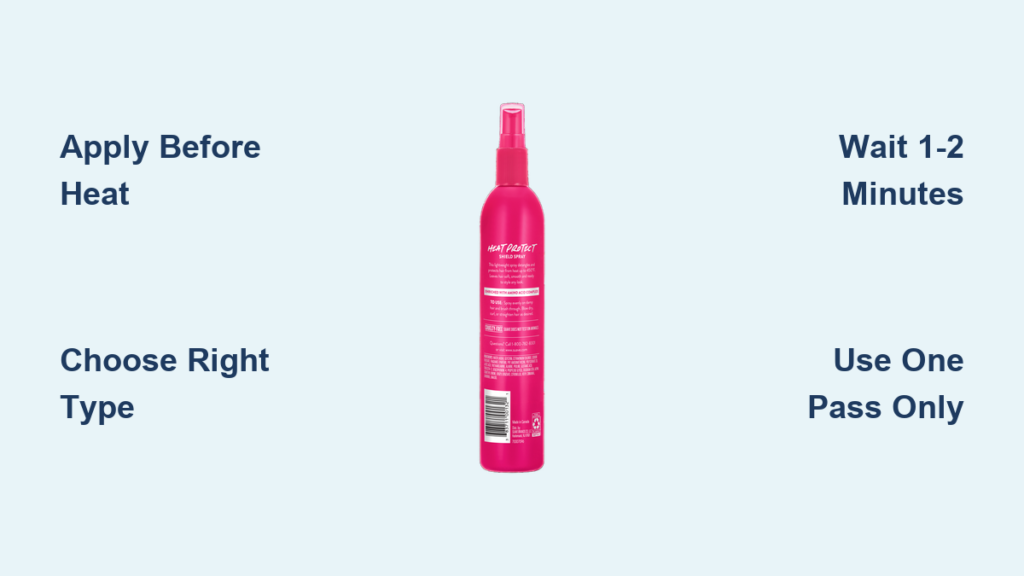
Heat protection spray must be applied before your flat iron touches your hair. Once heat damages the hair shaft, no product can reverse that harm. The spray works by creating a polymer or silicone-based barrier that slows heat transfer, giving your hair time to adjust gradually rather than experiencing thermal shock.
Applying heat protectant after straightening provides zero protection. Even a quick touch-up with your flat iron requires protection, as cumulative exposure leads to brittleness, frizz, and split ends over time.
Choose the Right Product for Your Hair Type
Heat protectants come in sprays, creams, oils, and serums. For straightening, sprays offer the best results due to lightweight, even distribution.
• Spray: Ideal for all hair types, especially fine or thin hair. Apply pre-straightening on damp or dry hair.
• Cream: Best for thick, dry, or damaged hair. Apply on damp hair before blow-drying.
• Oil: Suited for coarse, frizzy, or curly hair. Apply to mid-lengths and ends only.
• Serum: Works for medium to thick hair. Use as an optional boost before flat ironing.
Avoid heavy oils or creams on fine hair, as they can flatten roots and reduce volume.
Step-by-Step Application for Straightening
Start with Clean, Towel-Dried Hair
Begin with freshly washed hair. Gently blot hair with a microfiber towel, never rub aggressively. Oily or product-laden hair prevents even spray distribution, reducing effectiveness.
For restyling dry hair, ensure it’s free of buildup and completely tangle-free before applying protectant.
Section Hair for Full Coverage
Divide your hair into four to six sections using clips. Work from the bottom layers upward to ensure every strand gets protected. Focus extra attention on the ends, which are most prone to damage.
Hold the spray bottle six to eight inches away from your hair for a fine, even mist. Oversaturating causes stickiness and product buildup.
Mist and Distribute Evenly
Use three to six spritzes per section, adjusting based on hair thickness. Fine or thin hair needs lighter application, while thick or coarse hair requires more generous coverage.
After spraying, comb through each section with a wide-tooth comb to distribute the product from roots to ends.
Wait one to two minutes after application. This allows the protective film to form before heat exposure.
Dry Hair Completely Before Straightening
If applying to damp hair, blow-dry fully before using a flat iron. Never straighten wet or damp hair, as trapped steam causes bubble hair and irreversible damage.
Confirm hair is completely dry by checking for coolness against your scalp and smooth texture.
Set Flat Iron to Correct Temperature
Match your tool’s heat setting to your hair type. Fine or damaged hair needs 250°F to 300°F. Medium hair works best at 300°F to 350°F. Thick, coarse, or curly hair requires 350°F to 400°F.
Never exceed 450°F unless your product specifies higher protection. Check your heat protectant’s max rating, as most top out at 450°F.
Straighten in Small Sections, One Pass Only
Take one to two inch sections and pass the flat iron only once per strand. Repeated passes increase heat exposure even with protectant. Use slow, steady motion for best results.
Clamp the iron at the root and glide smoothly to the tip in one motion.
Layer Protection for Maximum Effectiveness
For optimal defense, use a multi-stage approach.
Apply Leave-In Conditioner First
After washing, apply a leave-in conditioner with heat protection to damp hair. This adds moisture and initial shielding before blow-drying.
Distribute with fingers or a wide-tooth comb. Verify the heat protection range matches your styling temperature.
Reapply Spray Before Flat Ironing
Apply a lightweight heat protectant spray to dry hair after blow-drying. This critical final layer ensures maximum protection before direct heat contact.
Mist lightly and comb through. Do not skip this step even if you used a leave-in earlier.
Add Serum for Extra Smoothness
Apply a dime-sized amount of smoothing serum to mid-lengths and ends for added shine. Rub between palms and glide over hair, avoiding roots to prevent greasiness.
Avoid Over-Applying Heat Protectant
Signs you’ve used too much include sticky, stiff, or greasy hair. Hair lacks volume or looks flat and weighed down.
The rule of thumb: if you can still feel product after styling, you used too much. Hair should feel smooth and weightless, not coated.
Key Ingredients to Look For

Choose formulas with science-backed ingredients that protect and strengthen.
Protective Agents
• Dimethicone and cyclomethicone: Seal cuticle and resist heat
• PVP/DMAPA acrylates copolymer: Forms heat-resistant film
• Hydrolyzed keratin or wheat protein: Reinforces hair structure
Nourishing Additives
• Panthenol (Pro-Vitamin B5): Moisturizes and strengthens
• Argan or abyssinian oil: Adds shine and reduces frizz
• Goji berry extract: Provides antioxidant protection
Avoid heavy silicones that build up, high alcohol content that dries hair, and fragrance-heavy formulas with unclear ingredients.
Top Heat Protectant Sprays for Straightening
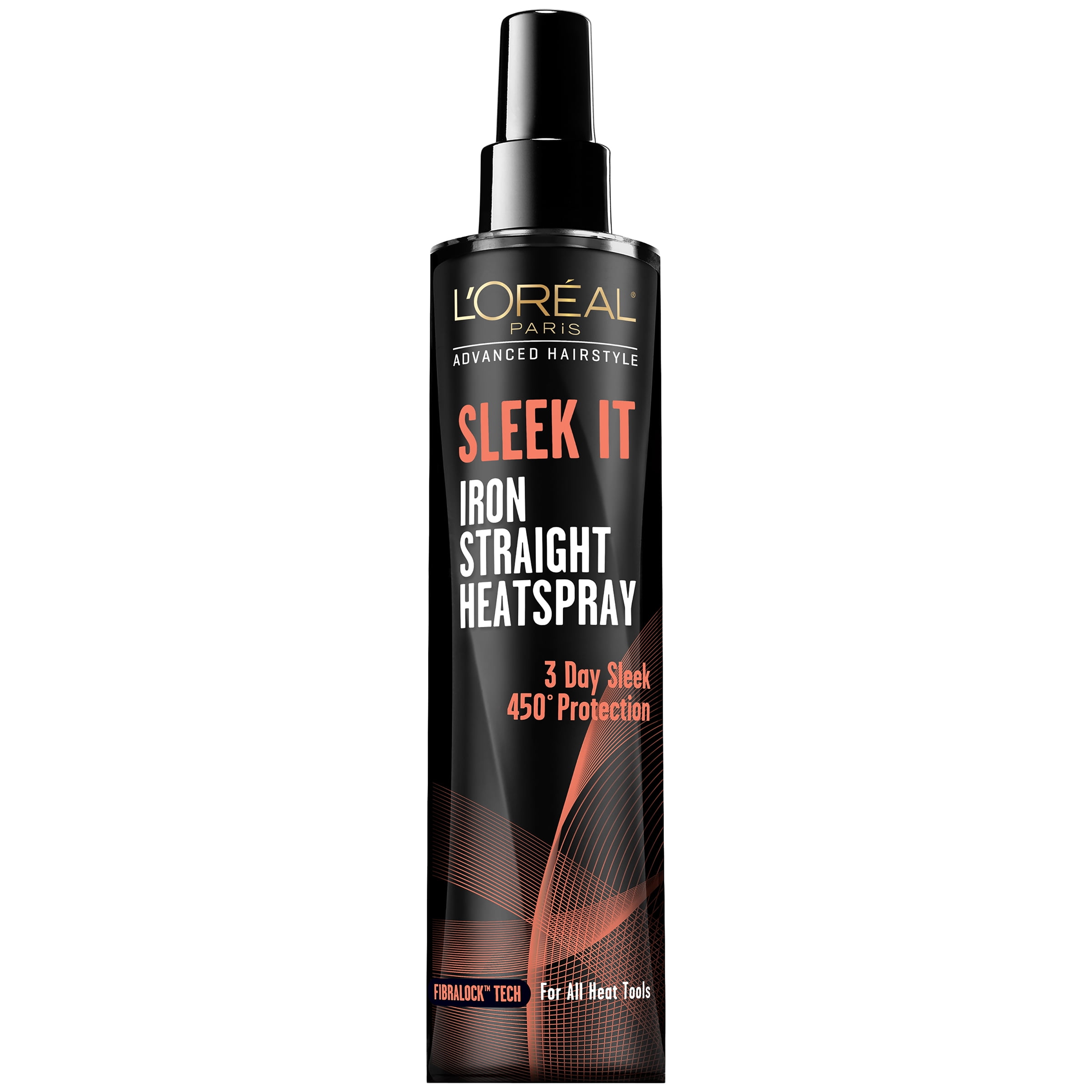
| Product | Max Temp | Best For |
|---|---|---|
| L’Oréal SLEEK IT Iron Straight Heatspray | 450°F | All hair types, humidity blocking |
| Paul Mitchell Hot Off the Press | 450°F | Lightweight, flexible hold |
| L’Oréal Dream Lengths Heat Slayer | 450°F | Long, frequently straightened hair |
| RPR Protect My Hair | 428°F | Natural, extension, and color-treated hair |
| Tresemme Keratin Smooth Spray | 400°F | Affordable daily use |
Special Considerations for Different Hair Types
For Fine or Thin Hair
Use ultra-lightweight sprays only. Avoid oils and heavy serums unless applied sparingly. Focus application from ear level down to preserve root volume. Consider silicone-free formulas if prone to buildup.
For Thick, Coarse, or Curly Hair
May need dual-layer protection with leave-in plus spray. Ensure full saturation and use a comb to distribute product evenly. Look for formulas with natural oils and conditioning agents.
For Color-Treated or Chemically Processed Hair
These hair types are more porous and fragile. Use sulfate-free, paraben-free protectants with bond-building technology. Prioritize moisture retention and strength.
For Hair Extensions
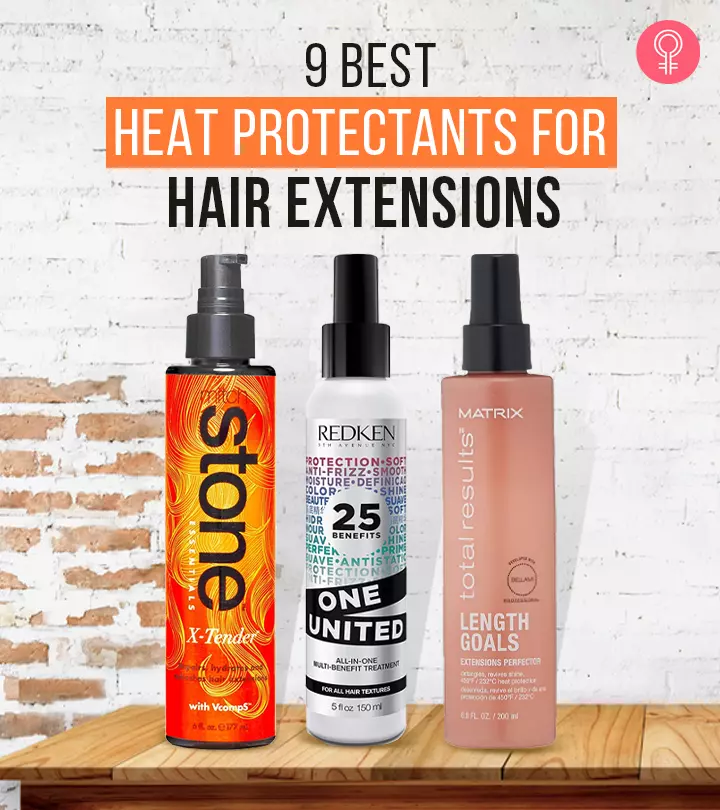
Yes, use heat protectant on human hair extensions. Apply only from mid-lengths to ends, avoiding bonds or wefts. Consult your extension specialist for product recommendations.
Prevent Heat Damage Beyond the Spray
Limit Styling Frequency
Follow the American Academy of Dermatology guideline: use flat irons no more than every other day. Allow hair time to recover between sessions.
Use the Lowest Effective Heat Setting
Most hair types straighten well under 400°F. Higher temperatures degrade keratin even with protection.
Avoid Multiple Passes
One pass per section is enough. Going over the same strand increases damage risk.
Maintain Your Tools
Use flat irons with ceramic or tourmaline plates for even heat distribution. Damaged plates create hot spots that cause uneven damage.
Check Product Expiration
Heat protectants expire about 12 months after opening. Check the PAO symbol on the label and store in a cool, dry place away from sunlight.
Frequently Asked Questions About Heat Protection Spray for Straightening
Does heat protection spray actually work?
Yes, heat protection sprays are proven effective when used correctly. They significantly reduce moisture loss and cuticle damage compared to unprotected hair. However, they mitigate risk rather than eliminate it entirely.
Can I use heat protectant on dry hair before straightening?
Absolutely. In fact, applying heat protectant to dry hair immediately before flat ironing is recommended for maximum protection. If you applied it to damp hair earlier, reapply on dry hair for best results.
How long should I wait after applying heat protectant before straightening?
Wait one to two minutes after application. This gives the formula time to form a protective barrier before heat exposure.
Can I use too much heat protection spray?
Yes, over-application causes hair to feel sticky, stiff, or greasy. Hair looks flat and lacks volume. Use just enough to lightly coat all strands without saturating.
Do I need heat protectant for a quick flat iron touch-up?
Yes. Even brief exposure to high heat causes cumulative damage. Always use protection regardless of styling duration.
Can I apply heat protectant after straightening to seal the style?
No. Applying heat protectant after styling offers zero protective benefit. Damage has already occurred. Always apply before heat contact.
Key Takeaways for Protecting Hair While Straightening
Using heat protection spray correctly is the difference between sleek, healthy hair and dry, damaged strands. Apply heat protectant before any heat contact, not after. Choose the right product type for your hair, and use a layered approach with leave-in conditioner plus spray for maximum protection.
Use the correct amount, hold the bottle six to eight inches away, and wait one to two minutes before straightening. Match your flat iron temperature to your hair type, and never pass over the same section more than once. By applying protection at the right time, in the right amount, and pairing it with smart styling habits, you can enjoy straight, shiny hair today and strong, resilient hair tomorrow.