
If you’re struggling with slow growth, dryness, or brittle hair, you’re not alone. Millions of people seek natural solutions to boost hair health, and almond oil stands out as one of the most effective options. Packed with vitamin E, biotin, and essential fatty acids, sweet almond oil nourishes the scalp, strengthens strands, and reduces breakage. These benefits create the ideal conditions for healthier, longer-looking hair over time.
Used for centuries in traditional hair care, almond oil is lightweight, easily absorbed, and suitable for most hair types. Whether you have fine, oily strands or thick, curly locks, this natural oil can be tailored to your needs. In this guide, you’ll learn exactly how to use almond oil for hair growth, from scalp massages to overnight treatments, with practical tips to avoid greasiness or buildup.
Scalp Massage for Growth Stimulation

Massaging almond oil into your scalp isn’t just relaxing. It’s a proven way to boost circulation and support hair development. Improved blood flow delivers oxygen and nutrients directly to hair follicles, helping keep them active and healthy.
Apply Oil with Circular Motions
Use one to two teaspoons of warm sweet almond oil. Warm it by rubbing between your palms or placing the bottle in warm water for a few minutes. Part your hair into sections and apply the oil directly to the scalp using your fingertips, not nails, to avoid irritation.
Massage in small, circular motions for five to ten minutes. Focus on areas with thinning or slow growth, like the crown or temples. This stimulates follicles and helps loosen dead skin cells that can clog pores.
Leave the oil on for at least thirty minutes or overnight. If leaving it in overnight, cover your hair with a shower cap to protect your pillow and enhance absorption.
Wash out with a gentle shampoo the next morning. For oily scalps, a second wash may be needed to fully remove residue.
Pro Tip: Do this two to three times per week for best results. Consistency matters, as studies show regular scalp massage can increase hair thickness over time.
Weekly Hot Oil Treatment
A hot oil treatment deeply conditions hair and improves nutrient penetration. Almond oil’s lightweight texture makes it ideal for this, especially when blended with other growth-boosting oils.
Warm Oil Before Application
Never apply cold oil straight from the bottle. Gently heat two to three tablespoons of almond oil until warm, not hot, to avoid damaging the scalp.
Apply from roots to ends, focusing on dry or damaged areas. Use your fingers or a spray bottle for even distribution. Massage the scalp thoroughly for five minutes.
Cover hair with a warm towel or shower cap. The heat opens the hair cuticle, allowing deeper absorption. Leave on for thirty to sixty minutes.
Shampoo and condition as usual. You may need to wash twice to remove all oil, especially if you have fine or low-porosity hair.
Boost Results with Rosemary or Castor Oil
For enhanced growth support, mix almond oil with rosemary essential oil or castor oil.
Rosemary essential oil, two to three drops per tablespoon, is clinically shown to be as effective as minoxidil for certain types of hair loss.
Castor oil, used in a one-to-one ratio, adds thickness and moisture, though it is heavier and best for thick or dry hair.
Expert Note: Avoid overuse of castor oil, as it can cause buildup. Limit to once a week and always dilute.
Pre-Wash Protection Routine
Washing strips natural oils, leaving hair dry and prone to breakage. A pre-wash almond oil treatment acts as a shield, preserving moisture and reducing damage.
Apply Before Every Shampoo
Use half a teaspoon for fine hair, up to one tablespoon for thick or curly hair. Apply to dry or slightly damp hair thirty to sixty minutes before washing.
Focus on mid-lengths and ends, the oldest parts of your hair that need the most protection. Avoid the scalp if you are prone to oiliness.
This creates a protective barrier against harsh surfactants in shampoos, especially sulfates. It also prevents excessive dryness that leads to split ends and breakage.
Wash as normal. You may need a double cleanse to fully remove the oil, particularly with hard water.
Time-Saving Hack: Keep a small bottle in your bathroom and apply while brushing your teeth. No extra time needed.
Overnight Hair Mask for Deep Repair

For intensive nourishment, an overnight almond oil mask delivers maximum hydration and repair. This is perfect for damaged, frizzy, or chemically treated hair.
Use 2-3 Tablespoons for Full Coverage
Warm the oil slightly and apply from roots to tips. Massage the scalp to stimulate circulation. Then, smooth the rest through the lengths.
Cover with a silk scarf or shower cap. Silk reduces friction and prevents oil transfer, while the cap traps heat for better absorption.
Leave on for six to eight hours. In the morning, shampoo thoroughly. You may need two washes, especially if using other oils like castor or coconut.
Add Natural Boosters for Extra Benefits
Enhance your mask by mixing in natural ingredients.
One tablespoon of honey acts as a humectant that draws moisture into the hair.
Two tablespoons of aloe vera gel soothes the scalp and reduces dandruff.
One egg yolk is rich in protein and fats to strengthen weak strands.
Mix with the warm almond oil before applying. Rinse with cool water first to avoid cooking the egg, then shampoo.
Warning: Do not use hot water with egg-based treatments.
Daily Leave-In Conditioning
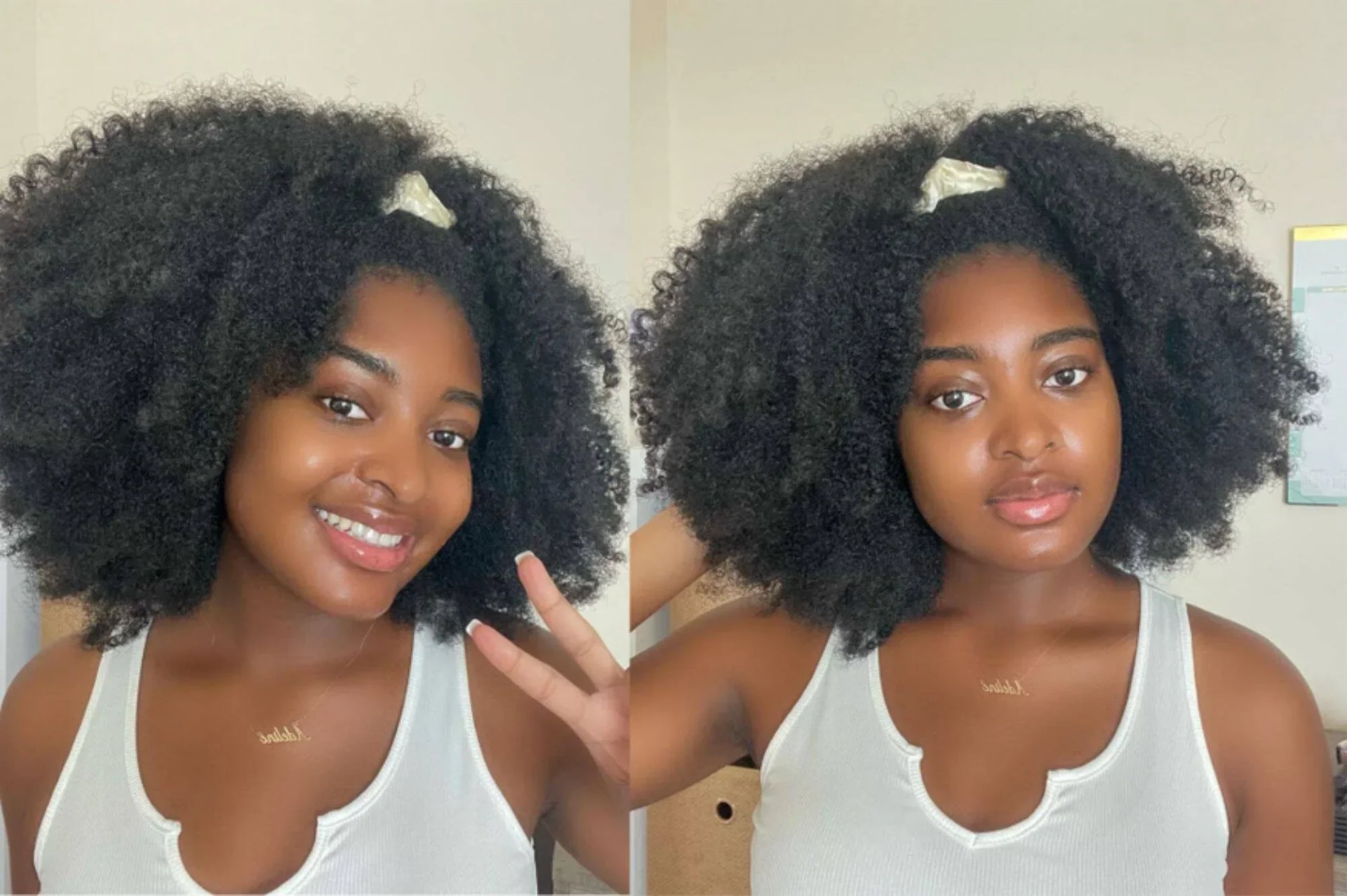
Almond oil works as a lightweight leave-in conditioner, especially for dry or frizzy hair. It smooths the cuticle, adds shine, and protects against daily stressors.
Smooth Over Damp Hair After Washing
Towel-dry hair until slightly damp. Place two to four drops of almond oil in your palms, rub together, and run through mid-lengths and ends.
Avoid the roots unless your scalp is very dry. This prevents greasiness and clogged follicles.
Style as usual. The oil helps reduce blow-dry time by sealing in moisture and minimizing frizz.
Ideal for Curly and Coily Hair Types
These textures benefit most from daily hydration. Almond oil enhances curl definition and reduces tangling without weighing hair down.
Use daily or every other day, depending on dryness. Reapply a single drop to ends if needed during the day.
Pro Tip: Store a small travel bottle in your bag for touch-ups in humid or windy weather.
Finishing Oil for Shine and Frizz Control

Even if you do not do oil treatments, almond oil makes an excellent daily finisher. A tiny amount tames flyaways and adds instant shine.
Use 1-2 Drops on Dry Hair
Place a drop or two on your fingertips. Rub hands together and gently glide over the surface of styled hair.
Focus on the ends and any frizzy sections. This works especially well in dry climates or during winter months when static is common.
It also protects against light UV exposure and pollution, thanks to vitamin E’s antioxidant properties.
Avoid Overuse: More than two drops can make hair look greasy. Less is more.
Choose the Right Oil and Avoid Allergies
Not all almond oils are created equal, and some should not be used on hair at all.
Use 100% Pure Sweet Almond Oil Only
Always check the label. Sweet almond oil, Prunus dulcis, is safe for topical use. Bitter almond oil contains toxic compounds and should never be applied to skin or hair.
Opt for cold-pressed, unrefined versions. These retain more nutrients than refined or solvent-extracted oils.
Store in a dark glass bottle away from heat and sunlight to prevent oxidation. Discard if the oil smells rancid.
Patch Test for Nut Allergies
Almond oil is derived from tree nuts. If you have a nut allergy, do a patch test before use.
Apply a small amount behind your ear or on your inner forearm. Wait twenty-four hours. If you experience redness, itching, or swelling, do not use.
Consult a doctor if you have a history of severe allergies.
Alternative: Try jojoba oil or grapeseed oil if allergic. They offer similar benefits without nut content.
Match Frequency to Your Hair Type

Using almond oil too often, or not enough, can backfire. The key is tailoring your routine to your hair’s needs.
Fine or Oily Hair: 1-2 Times Weekly
Use light applications, including pre-wash treatment on ends only, scalp massage with minimal oil, and finishing oil at one drop.
Avoid heavy masks or overnight use unless your ends are very dry.
Normal Hair: 2-3 Times Weekly
Balance nourishment and cleanliness with a hot oil treatment once a week, leave-in conditioner two to three times, and scalp massage twice weekly.
This maintains moisture without buildup.
Dry, Thick, or Curly Hair: 3-4 Times Weekly
These types thrive on moisture with a weekly overnight mask, daily leave-in at two to four drops, pre-wash oil before every shampoo, and scalp treatments two to three times weekly.
They may benefit from oil blends with shea butter or castor oil for extra richness.
Adjust as Needed: Humidity, heat styling, and seasonal changes affect oil needs.
Prevent Buildup and Maintain Scalp Health
While almond oil is non-comedogenic, overuse without proper cleansing can lead to residue, especially in low-porosity hair.
Wash With Clarifying Shampoo Weekly
Use a sulfate-free clarifying shampoo once a week to remove oil buildup, product residue, and dead skin cells.
This keeps follicles unclogged and allows better absorption of nutrients.
Avoid harsh sulfates if you have a sensitive scalp. They can strip too much oil and cause irritation.
Exfoliate the Scalp Monthly
Use a gentle scalp scrub or a soft brush to remove flakes and improve circulation.
Mix brown sugar with a little almond oil for a DIY scrub. Massage gently, then rinse.
Warning: Never scrub a damaged or inflamed scalp. Wait until irritation clears.
Support Growth With a Holistic Routine
Almond oil works best as part of a complete hair care strategy. No oil can fix nutritional deficiencies or chronic stress.
Eat a Hair-Healthy Diet
Include foods rich in biotin, such as eggs, nuts, and sweet potatoes.
Include omega-3s from fatty fish, flaxseeds, and chia.
Include protein from chicken, lentils, and Greek yogurt.
Include vitamins A, C, D, and E from carrots, citrus, mushrooms, and spinach.
Hydrate well. Dry hair often starts with internal dehydration.
Minimize Damage
Limit heat styling and use a heat protectant.
Avoid tight hairstyles that pull on roots.
Use a wide-tooth comb on wet hair.
Trim split ends every eight to twelve weeks.
Fact: Hair grows about half an inch per month. Reducing breakage lets you keep more of that growth.
Frequently Asked Questions About Almond Oil for Hair Growth
How long does it take to see results from using almond oil on hair?
Most users report noticeable improvements in hair softness and shine within one to two weeks. For reduced breakage and visible length retention, plan to use almond oil consistently for six to eight weeks. Remember, almond oil supports growth by reducing breakage rather than speeding up the growth rate itself.
Can I leave almond oil in my hair overnight?
Yes, overnight application is beneficial for deep conditioning. Always cover your hair with a shower cap or silk scarf to protect your bedding. Wash thoroughly in the morning, as you may need two shampoos to remove all residue. This method works especially well for dry, thick, or chemically treated hair.
Does almond oil cause hair to become greasy?
Overapplication can cause greasiness, especially on fine or oily hair types. Use small amounts, focusing on mid-lengths and ends rather than the scalp. If you have an oily scalp, stick to pre-wash treatments or finishing applications rather than leave-in products.
Can I use almond oil on colored or chemically treated hair?
Yes, sweet almond oil is safe for color-treated and chemically processed hair. It helps restore moisture lost during chemical treatments and protects the hair shaft from further damage. Use it as a pre-wash treatment or leave-in conditioner to maintain softness and shine.
Is almond oil safe for people with nut allergies?
Almond oil is derived from tree nuts, so individuals with nut allergies should proceed with caution. Always perform a patch test by applying a small amount behind your ear or on your inner forearm. Wait twenty-four hours. If you experience any reaction, do not use the product.
How often should I use almond oil for hair growth?
Frequency depends on your hair type. Fine or oily hair benefits from one to two weekly applications. Normal hair responds well to two to three weekly uses. Dry, thick, or curly hair can handle three to four weekly applications or daily light use. Adjust based on how your hair responds.
Key Takeaways for Using Almond Oil for Hair Growth
Sweet almond oil is not a miracle cure, but it is a proven, natural tool for supporting healthier hair. By improving scalp health, reducing breakage, and protecting against damage, it helps you retain length and improve texture over time. Used correctly, with the right frequency, amount, and method, it can transform dry, dull hair into soft, shiny, and resilient locks.
Stick with it for at least six to eight weeks to see visible results. Pair almond oil with good nutrition, gentle care, and consistent cleansing for the best outcome. Always choose pure, cold-pressed sweet almond oil, and skip it if you have a nut allergy.
With its versatility and safety, almond oil remains a trusted staple in natural hair care. When used the right way, it can be a game-changer for your hair growth journey.