You applied too much hair oil or your scalp is producing excess sebum, and now your hair looks greasy, flat, and lifeless. You do not always have time for a full wash, but you need a fast, effective way to remove oil from hair without causing damage or dryness. Whether it is from overuse of coconut oil, silicone-heavy stylers, or natural buildup, the right method depends on your hair type, the oil source, and how quickly you need results.
This guide delivers proven, step-by-step solutions from instant dry techniques to deep-cleansing routines based on hairstylist recommendations and product science. You will learn how to absorb, redistribute, or fully remove oil, plus how to prevent future buildup with smart product choices and long-term care.
Quick Oil Fixes When You Cannot Wash
When washing is not an option, these fast, non-rinse methods reduce greasiness in minutes without water.
Use Dry Shampoo the Right Way
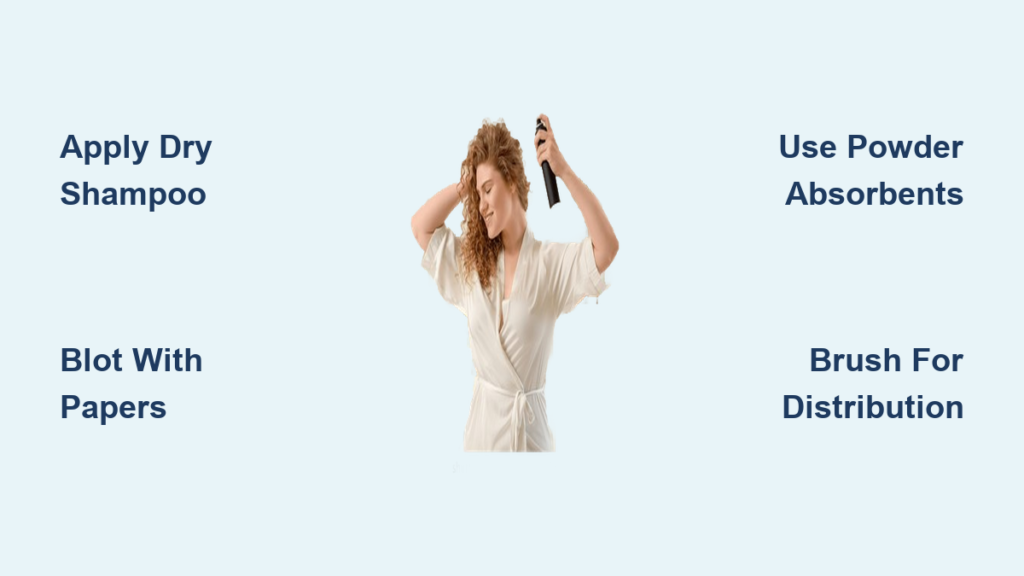
Dry shampoo is the fastest way to absorb excess oil at the roots using fine powders that bind to sebum and styling residue.
How to apply it correctly:
- Section your hair to expose the scalp
- Hold the can 6 to 10 inches away from your head
- Spray in quick bursts along the part and oily zones
- Wait 30 seconds for activation
- Massage in with fingertips or brush through
Top-rated options include:
- Pssssst! Instant Dry Shampoo for lightweight results with no residue
- Living Proof Perfect Hair Day Dry Shampoo for removing oil and odor without water
Pro tip: Apply dry shampoo before workouts to prevent sweat and oil from clumping together.
Blot Oil with Facial Blotting Papers
Oil-absorbing facial blotting papers work in a pinch when you need a quick touch-up.
Method:
- Gently press sheets along the hairline, part, and crown
- Lift straight up without rubbing to avoid smearing oil
This works best during work, travel, or events. The limitation is that it only removes surface shine and does not penetrate deeper.
Apply Powder Absorbents as DIY Alternatives
DIY powders can mimic dry shampoo when you run out of product.
Available options:
- Baby powder: Apply sparingly to roots, then brush out completely. Best for light hair
- Baking soda: Sprinkle lightly or mix with water in a spray bottle. Avoid on dark hair as it may lighten strands
- Corn meal: Rub in, wait 5 minutes, then brush out. Less refined but effective
Caution: Overuse can dry out your scalp or disrupt its natural pH. Use these no more than once a week.
Brush to Redistribute Oil
A boar bristle brush spreads oil from greasy roots to dry ends, transforming a flaw into a benefit.
Technique:
- Start at the scalp and brush in smooth strokes to the ends
- Perform 50 to 100 passes for even distribution
- Combine with dry shampoo for best results
This method mimics natural sebum flow, reducing root oiliness while nourishing split ends at the same time.
Deep Cleanse Methods in the Shower
For complete oil removal, especially after overnight treatments or heavy product use, shower methods are essential.
Do Not Wash Too Soon After Applying Oil
Oil needs time to penetrate the hair cuticle. Washing immediately wastes the treatment entirely.
Wait times by oil type:
- 10 to 30 minutes for lightweight oils like argan or jojoba
- 1 to 2 hours for medium oils like olive or sweet almond
- Overnight for deep conditioning with coconut or castor oil
Tip: Cover hair with a shower cap to boost absorption while waiting.
Start with Warm Water
Cold water can solidify oils like coconut or castor, making them much harder to remove.
Why warm water works:
- Melts oil for easier lifting from the hair shaft
- Improves shampoo lather for better cleansing
- Prevents residue from getting trapped
Avoid hot water, which can dry out the scalp and damage hair.
Use Clarifying Shampoo Twice
Regular shampoos do not cut through heavy oils or silicones.
What clarifying shampoo does:
- Removes grease, buildup, hard water minerals, and pollution
- Cleanses follicles deeply
- Prevents dullness and flatness
How to use it properly:
- First wash: Focus on the scalp. Lather to emulsify oil
- Second wash: Target remaining residue. Rinse thoroughly
Use clarifying shampoo once a week or every 2 to 3 weeks depending on buildup. Recommended option is Living Proof Clarifying Detox Shampoo.
Rinse with Acidic Solutions After Shampooing
After shampooing, use a natural rinse to dissolve leftover film and restore your scalp pH.
Apple cider vinegar rinse:
- Mix 1 part ACV with 2 to 3 parts water
- Pour over hair after shampoo
- Wait 1 to 2 minutes
- Rinse with warm water
This removes residue, adds shine, and balances scalp pH.
Lemon juice rinse:
- Mix 1 to 2 tablespoons lemon juice with 1 cup water
- Apply, wait 1 to 2 minutes, rinse
Caution: Lemon juice can lighten hair. Avoid on color-treated or dark strands.
Always Condition After Deep Cleansing
Clarifying shampoos and acidic rinses strip moisture from hair.
Fix it:
- Apply conditioner from mid-lengths to ends only
- Avoid the roots to prevent re-greasiness
- Use any type suited to your hair type
Pro tip: If hair feels dry, try a leave-in conditioner for extra hydration.
Choose the Right Oils and Products
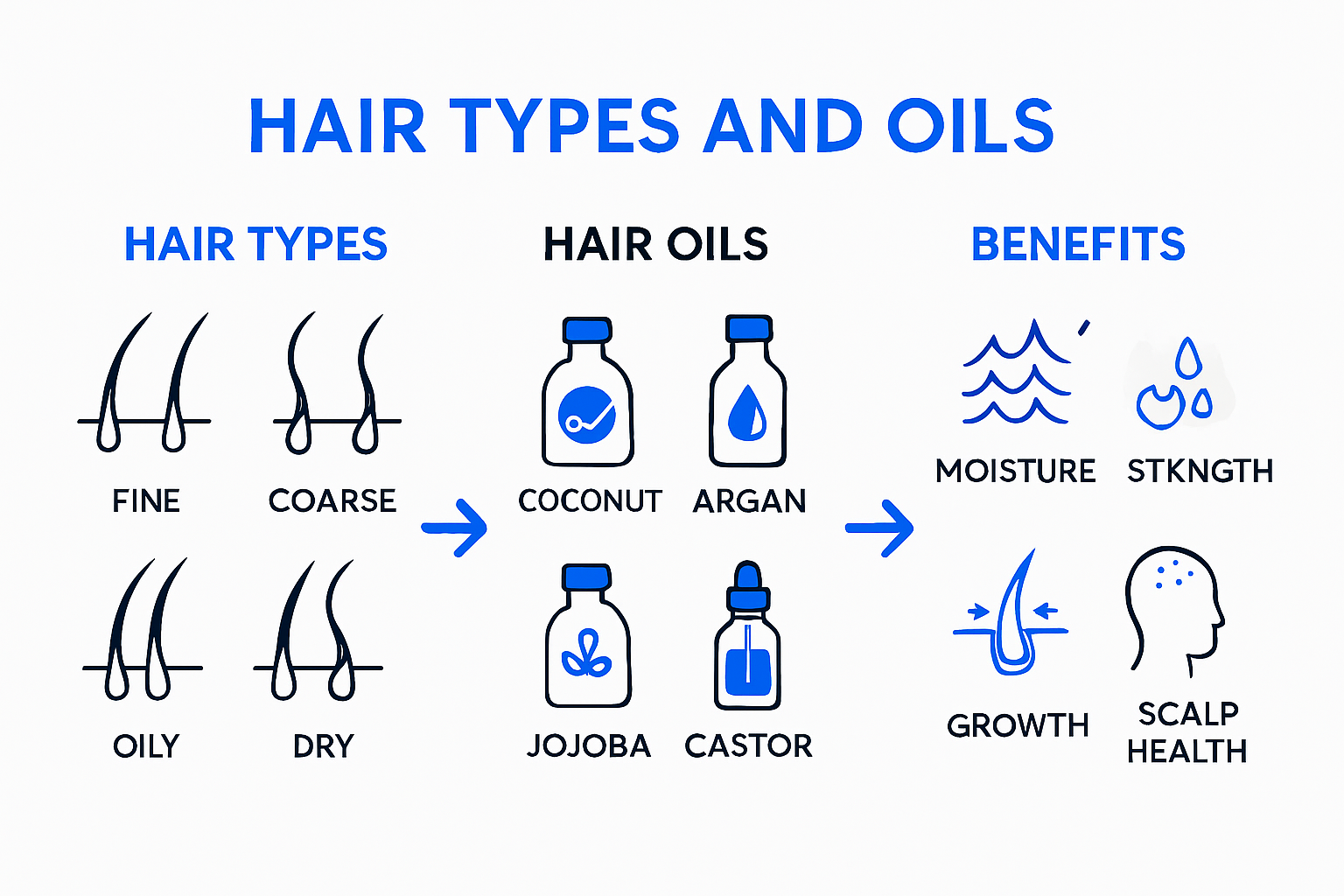
Not all oils are the same. Using the wrong type or applying it incorrectly leads to buildup.
Know Your Oil Type
| Oil Type | Best For | When to Apply |
|---|---|---|
| Coconut, argan, jojoba | Deep conditioning | Before shampoo |
| Moroccanoil, silicone oils | Shine, frizz control | On wet hair as styling step |
Silicone oils like dimethicone and cyclomethicone do not absorb. They coat the hair and require clarifying shampoo to remove.
Avoid Over-Applying Oil
Most people use too much product.
Dosage guide:
- Short hair: Pea-sized amount
- Medium hair: Dime-sized amount
- Long or thick hair: Nickel-sized amount
Application tip: Emulsify oil with water first. Put oil in one palm, wet the other hand, rub together to mix, then apply to damp hair for even spread and less greasiness. Focus on ends rather than roots unless treating a dry scalp.
Stop Oil Buildup Long-Term
Frequent greasiness is often due to product buildup and poor routine rather than oil treatments alone.
Find Your Washing Sweet Spot
Washing too much or too little backfires.
Guidelines:
- Fine, straight hair: Wash every 2 to 3 days
- Curly, coily, or thick hair: Wash weekly or biweekly
Test it: Try washing every 2 days for 2 weeks, then every 3 days. Observe when hair looks oily or feels heavy. The goal is to let your scalp balance its sebum production naturally.
Detox Your Scalp Weekly
Even if you wash infrequently, use a clarifying shampoo once a week.
Why this matters:
- Removes silicone, wax, and pollution buildup
- Prevents clogged follicles
- Reduces greasy feel over time
Use it on wash day, but do not replace your regular shampoo entirely.
Switch to Clean-Label Products
Many shampoos and stylers make oiliness worse.
Avoid these ingredients:
- Silicones: Build up, attract dirt, feel heavy
- Sulfates: Strip oil and cause scalp overproduction
- Parabens: May irritate scalp and trigger excess sebum
Look for: Silicone-free, sulfate-free, and paraben-free formulas.
Note: Hair may feel waxy or heavy for the first 3 to 5 washes as it adjusts. Stick with the new products.
Check All Your Styling Products
Leave-ins, gels, and serums often contain silicones that contribute to buildup.
Do a product audit:
- Read labels on conditioners, masks, and creams
- Replace heavy formulas with lightweight, oil-compatible alternatives
- Match products to your hair type. Fine hair should avoid thick butters and heavy oils. Curly hair needs porosity-specific treatments.
Style Greasy Hair to Hide It
Sometimes the best move is to conceal oil while extending time between washes.
Blow-Dry Roots for Volume
Heat evaporates oil and lifts flat, lifeless hair.
How to do it:
- Flip your head forward
- Use a round brush to lift roots
- Blow dry on medium heat
This creates a fresher look with less greasy appearance.
Caution: Use a heat protectant if styling daily.
Try Grease-Friendly Hairstyles
Oily hair actually holds styles better than clean hair.
Best options:
- Sleek ponytail
- Top knot
- French braid
- Slicked-back bun
- Braided chignon
Pro tip: Use blotting sheets on bangs before styling to reduce shine.
Use Accessories to Cover Roots
Hats, scarves, and headbands hide greasy roots instantly.
Smart uses:
- Wear a headband during workouts to absorb sweat and oil
- Use a silk scarf to protect hair while napping
- Choose bold accessories to distract from shine
Common Mistakes to Avoid
Even with the right tools, small errors lead to poor results.
Using Cold Water After Oil Treatment
Cold water locks oil in, especially with coconut or castor oil. Always start with warm water.
Skipping the Second Wash
One shampoo pass rarely removes all oil. Wash twice when dealing with heavy buildup.
Overusing Baking Soda
Baking soda has a high pH of 9, which can strip natural oils, damage the cuticle, and cause dryness and breakage. Use it no more than once a month and always follow with conditioner.
Applying Oil to Roots Daily
Your scalp produces its own sebum. Adding oil daily signals it to produce less, but over time this can lead to dependency and imbalance. Focus oil on ends only unless treating specific dryness.
Key Takeaways for Managing Oil in Hair

Removing oil is temporary. True control comes from routine, product choices, and proper technique.
Do this now:
- Keep dry shampoo on hand for emergencies
- Use clarifying shampoo weekly
- Switch to silicone-free products
- Brush hair daily with a boar bristle brush
- Wash with warm water, never cold
Prevent future issues:
- Dilute oil with water before applying
- Measure oil carefully instead of pouring freely
- Avoid heavy stylers on fine hair
A little oil is good. It protects hair and adds shine. The goal is not to eliminate oil but to manage it wisely. Start with one change like double-washing or switching to clarifying shampoo and watch your hair transform from greasy to glossy.
Frequently Asked Questions About Removing Oil from Hair
How do I remove oil from hair without washing it?
Use dry shampoo to absorb excess oil at the roots. Spray 6 to 10 inches away, wait 30 seconds, then brush through. Blotting papers and powder absorbents like baby powder also work for quick touch-ups.
Does brushing help with oily hair?
Yes. A boar bristle brush redistributes oil from greasy roots to dry ends, mimicking natural sebum flow. Do 50 to 100 passes for even distribution.
How long should I leave oil in my hair before washing?
Leave lightweight oils for 10 to 30 minutes, medium oils for 1 to 2 hours, and deep conditioning oils like coconut overnight. This allows proper penetration before rinsing.
Can I use baking soda to remove oil from hair?
Baking soda absorbs oil and odor, but it has a high pH that can damage hair with repeated use. Limit it to once a month and always follow with conditioner.
How often should I use clarifying shampoo?
Use clarifying shampoo once a week or every 2 to 3 weeks, depending on how much product buildup you have. It removes silicone, wax, and pollution that regular shampoos miss.
What is the best way to prevent oil buildup?
Use silicone-free and sulfate-free products, dilute oil with water before applying, focus on ends rather than roots, and establish a consistent washing routine that matches your hair type.