
You’ve bought a roller hair dryer. Now what? This hybrid tool promises salon-quality blowouts at home, but only if you use it correctly. Many people make the mistake of treating it like a regular blow dryer, leading to frizzy, flat, or damaged hair. The truth is, how to use a roller hair dryer effectively comes down to preparation, sectioning, airflow control, and timing. When done right, it delivers sleek volume, smooth lengths, and soft bends at the ends in one tool. In this guide, you’ll learn the exact steps professionals use, from prepping damp hair to finishing with shine and hold.
Prep Hair for Heat Styling
Before turning on your roller hair dryer, your hair must be properly prepped. Skipping this step increases drying time, frizz, and damage risk.
Apply Heat Protectant First
Heat protectant is non-negotiable. Apply it evenly from roots to ends on damp hair. Mist section by section to ensure full coverage. Recommended options include Brilliant Damage Control or Smooth Infusion Perfect Blow Dry Spray, both of which shield hair up to 450°F while smoothing the cuticle.
Add Volume-Boosting Products
To maximize lift and body, use these products before styling.
• Spray a volumizing tonic at the roots
• Work a lightweight styling foam from mid-lengths to ends
These products enhance texture, improve airflow penetration, and extend style longevity. Avoid heavy creams or oils that weigh hair down and create steam buildup under heat.
Start with 80% Dry Hair
Never use a roller hair dryer on soaking wet hair. Instead, towel-dry thoroughly and air-dry or blow-dry until 80% dry. This reduces heat exposure time and prevents overheating, which leads to brittleness and split ends.
Dampen the Hairline
Fine baby hairs at the front are prone to over-drying. Lightly mist them with water before styling to maintain flexibility and prevent crispy edges. This small step makes a big difference in achieving a natural, polished finish.
Dry the Hairline First
The forehead area sets the tone for your entire style. Getting it right ensures a clean, seamless look.
Use a Denman Brush for Control
For baby hairs and the front hairline, switch to a Denman brush or paddle brush with tightly spaced bristles. These provide precise tension without pulling or snagging delicate strands.
Blow Hair Downward in Front
Direct airflow downward across the forehead to smooth baby hairs and prevent flyaways. Gently brush forward, then backward, to build central volume while keeping the hairline flat. Repeat on both sides of the part.
Pro Tip: This technique creates a flexible base, allowing you to switch between side and center parts later without re-styling.
Build Root Volume with Rough Drying
:max_bytes(150000):strip_icc()/The-Right-Way-to-Use-a-Round-Brush-60dd7e1597ba42db8cc9f80f2d90172b.png)
Creating lift at the roots early ensures long-lasting volume that doesn’t collapse by midday.
Focus Airflow at the Scalp
With a traditional dryer, point the nozzle downward toward the roots. Use your free hand to lift sections slightly at the scalp for maximum lift. Avoid flipping your head upside down. Modern techniques prioritize directional drying over inversion.
Alternate Brushing Directions
Brush hair forward, then backward, during rough drying. This neutralizes cowlicks and sets a balanced foundation for parting versatility. Keep the ends slightly damp. Over-drying now makes final styling harder.
Check for Damp Spots
Run your fingers through the crown and nape to feel for moisture. Target any lingering damp areas with focused airflow before switching to the roller hair dryer.
Why It Matters: Pre-drying cuts styling time in half and reduces cumulative heat damage.
Section Hair for Precision

Working in sections is the key to even results and professional control.
Clip Bottom Layers First
Start by clipping up the lower half of your hair at ear level. Work from the bottom up to maintain visibility and avoid re-mixing dry and damp sections.
Divide Vertically and Horizontally
Split hair into left and right halves using a clean part down the middle. Then create horizontal layers, especially useful for thick or long hair. This allows better tension control and airflow access.
Use Thin 2-Inch Sections
Take 2-inch wide sections max. Thicker sections trap moisture and resist even heat distribution, leading to frizz and uneven volume.
Warning: Repeatedly brushing the same area causes heat stress and breakage. Style each section once or twice, no more.
Apply the Roller Hair Dryer Correctly
Now comes the main event. How you move the tool determines whether you get smoothness or tangles.
Attach a Concentrator Nozzle
Use the concentrator attachment on your dryer for focused airflow. This helps seal the cuticle and smooth each strand as you pull the brush through.
Choose the Right Brush Size
Brush size affects your final result.
• 1 to 1.5 inch: More volume, tighter bend
• 2 inch: Natural waves and balanced body
• 3+ inch: Sleek, straight finish
Match the size to your desired outcome.
Pull Straight, Then Spin at the End
Place the brush at the root, point airflow downward, and glide smoothly from root to tip. Do not rotate the brush while pulling. This causes tangles and uneven tension.
At the very end of the stroke, give the brush a slight spin to create a soft curl or bend. Then release and let the hair cool for a few seconds to set the shape.
Cool Tip: Since roots are already dry, the roller brush focuses on smoothing lengths and sealing the cuticle.
Target Key Areas with Care

Different zones need different approaches for optimal results.
Crown and Temples: Lift with Slow Strokes
Use slow, upward motions to add volume at the crown. Pull hair slightly forward at the temples to avoid flattening. Hold tension until the section cools.
Back Sections: Pull Forward for Control
Unclip the lower layers and bring sections forward over your shoulder. This gives better visibility and control, especially for shoulder-length or longer hair.
Style Bangs in Two Layers
Divide bangs horizontally into top and bottom layers. Hold the brush upward, work slowly, and use low heat to prevent over-drying. Finish with a cool shot to lock in shape.
Avoid: Creating hard lines or crunchy textures. Softness is the goal.
Master Airflow and Cooling
Air direction and cooling are often overlooked but critical for shine and frizz control.
Point Air Down the Shaft
Always direct airflow from root to tip, never upward. Blasting air upward raises the cuticle, causing puffiness and frizz. Downward airflow smooths and seals for a glossy finish.
Use the Cool Shot Button
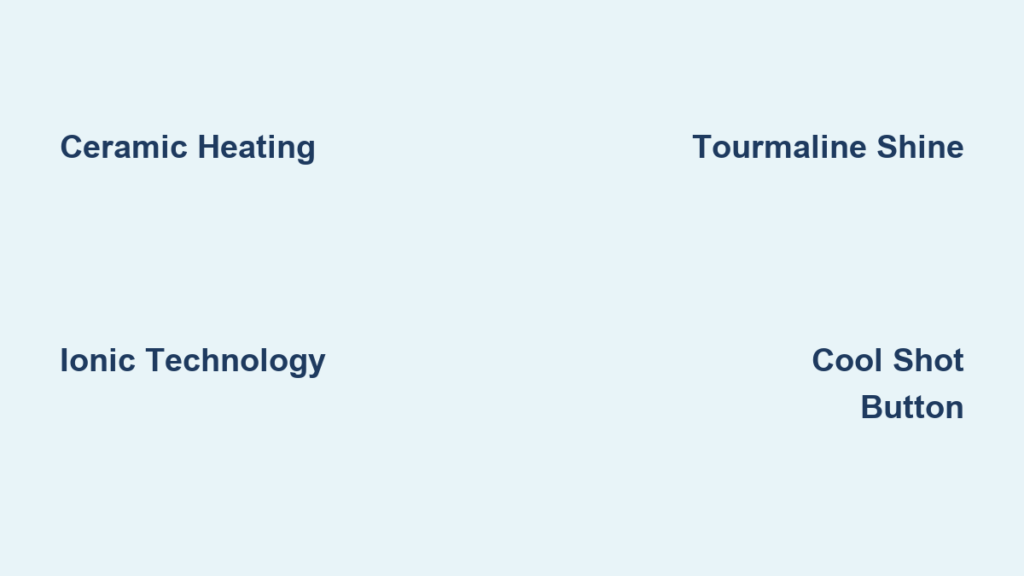
If your tool has a cool shot function, press it at the end of each stroke. Cold air locks in the style, enhances curl memory, and boosts shine.
Limit Passes Per Section
Style each section only once or twice. Over-brushing leads to heat damage, static, and split ends. If a section is not smooth, check for product buildup or insufficient pre-drying.
Finish with Polished Details
The final touches elevate your look from done to done right.
Set with Light Hairspray
Mist lightly with an air-control hairspray. Avoid heavy, sticky formulas that weigh hair down. Hold the can 10 to 12 inches away for an even, weightless hold.
Tame Flyaways with Fingertips
Dab a tiny amount of serum or shine spray on your palms and lightly smooth over the crown and sides. Use fingertips, not brushes, to avoid disturbing the style.
Add Shine Without Greasiness
A quick spritz of shine mist enhances luster without residue. Focus on mid-lengths to ends for a healthy, just-styled glow.
Maintain Your Tool and Technique
Long-term success depends on both tool care and consistent method.
Clean the Brush After Use
Remove tangled hair from the bristles daily. Wipe the barrel with a damp cloth to clear product buildup. Never submerge the tool in water.
Store Properly
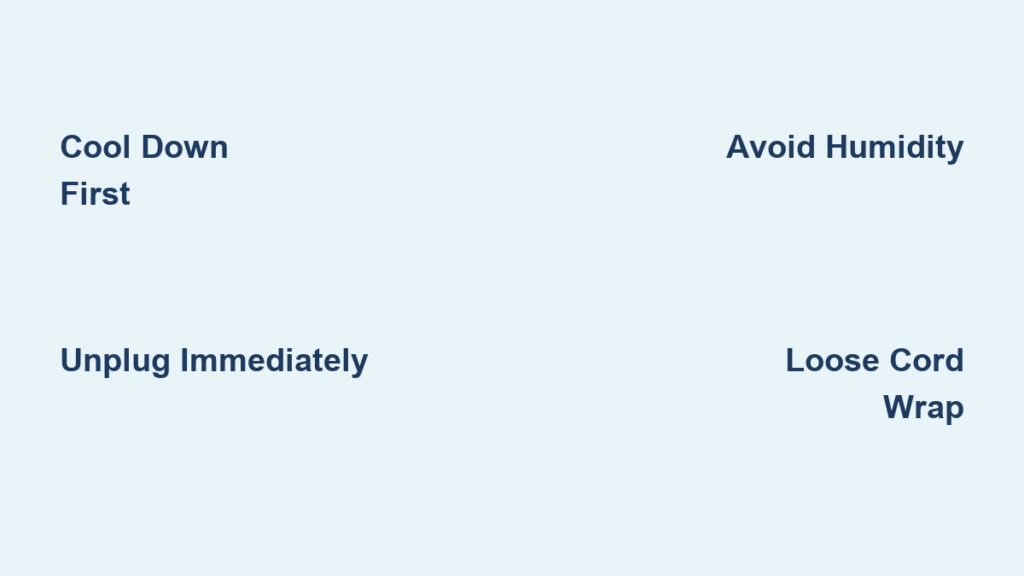
Keep the roller hair dryer upright or hanging. Avoid wrapping the cord tightly around the handle. This can damage internal wiring over time.
Replace When Performance Drops
Watch for these signs that indicate it’s time for a new tool.
• Inconsistent heat output
• Weak airflow
• Brush head wobbling or not rotating smoothly
Most quality models last 1 to 2 years with regular use and proper maintenance.
Choose the Right Model for Your Hair
Not all roller hair dryers are created equal. Pick one that matches your hair type and goals.
Ceramic or Tourmaline Barrels
These materials distribute heat evenly and emit negative ions, reducing frizz and drying time. Look for ceramic-coated or tourmaline-infused barrels.
Multiple Heat Settings
Fine or damaged hair? Use low to medium heat. Thick or coarse hair may need high heat, but only after proper pre-drying.
Ergonomic Design
A lightweight, well-balanced handle reduces wrist strain during styling. Tangle-resistant cords make daily use easier.
Quick Match Guide:
• Fine hair: Small barrel, low heat, high shine focus
• Medium hair: 2-inch brush, medium heat, volumizing products
• Thick or wavy hair: Larger barrel, high heat, anti-frizz spray
Real Results and User Benefits
When used correctly, roller hair dryers deliver noticeable improvements.
Styling Time Cuts in Half
Verified users report 70% faster styling compared to traditional dryer plus brush methods. The integrated design eliminates tool switching and streamlines the process.
Smoother, Stronger-Looking Hair
With consistent use at least twice per week and heat protection, many notice improved texture and reduced frizz. Regular, protected heat styling can actually improve hair appearance by sealing the cuticle and removing moisture irregularities.
Avoid Common Mistakes
Even small errors can ruin your results. Here is what to watch for.
Using on Soaking Wet Hair
This forces the tool to do too much work, increasing drying time and heat damage risk. Always pre-dry to 80% moisture level.
Over-Brushing the Same Spot
Repeated passes cause friction, dryness, and breakage. Style each section once. Correct mistakes by adjusting tension or product, not with extra heat.
Ignoring the Cool-Set Step
Letting hair cool after styling locks in the shape. Skipping this leads to faster droop and loss of volume.
Choosing the Wrong Brush Size
A brush too small creates unnatural curls. Too large gives no lift. Match size to your hair length and desired effect.
Frequently Asked Questions About Using a Roller Hair Dryer
Can I use a roller hair dryer on wet hair?
No. Your hair should be 80% dry before using a roller hair dryer. Starting with soaking wet hair increases heat damage risk and extends styling time significantly.
What brush size should I use for volume?
For maximum volume, use a 1 to 1.5 inch brush. This creates tighter bends and more lift at the roots. Larger brushes produce smoother, straighter results with less volume.
How often should I use a roller hair dryer?
Using it at least twice per week is ideal for maintaining style and improving hair manageability over time. Always apply heat protectant before each use.
Why is my hair getting frizzy when using the roller brush?
Frizz usually results from upward airflow, over-brushing the same section, or skipping heat protectant. Always point air downward and limit passes to one or two per section.
Can I use a roller hair dryer on fine hair?
Yes, but use low heat and a smaller brush. Fine hair benefits from the gentle tension and controlled heat of a roller hair dryer when used correctly.
Do I need special products for the best results?
Heat protectant is essential. Volumizing tonic at the roots and a lightweight styling foam enhance body and hold. Avoid heavy products that weigh hair down.
Key Takeaways for Mastering Your Roller Hair Dryer
Mastering how to use a roller hair dryer transforms your routine. By following these steps, prep hair properly, pre-dry to 80%, section in 2-inch parts, and glide the brush from root to tip without rotating. Point airflow downward, use the cool shot to set each section, and finish with light hairspray and shine mist. Protect your hair with heat protectant every time, and maintain your tool by cleaning the brush after each use. With practice, these steps become second nature, delivering consistent, salon-worthy results at home. The roller hair dryer is your shortcut to polished blowouts without the salon price tag.