
You’ve upgraded to a new hair dryer, or maybe your old one finally gave out after years of use. Now what? Tossing it in the trash might seem easy, but a hair dryer is not ordinary household waste. It contains copper wiring, motors, plastic, and electronic components, making it electronic waste that requires special handling. Throwing it in the curbside bin can damage recycling machinery, create fire hazards, and harm the environment.
The good news is that proper disposal is simple when you know where to go and what to do. This guide walks you through safe, legal, and eco-friendly ways to recycle your hair dryer, whether you’re an individual disposing of one unit or a salon replacing dozens. You’ll learn how to prepare it, where to drop it off, and how to avoid common mistakes that lead to contamination or safety risks.
Why Hair Dryers Are Classified as E-Waste

Electronic Components That Make Hair Dryers E-Waste
A hair dryer is not simply a plastic appliance. It contains multiple materials and components that require specialized handling. The electric motor, copper wiring and power cord, heating element with circuitry, and electronic switches and thermal fuses all qualify it under e-waste rules. Advanced models including ionic, digital, or smart dryers may also contain printed circuit boards and sensors, making them even more complex to process.
Because of this mixed-material construction, hair dryers cannot be processed through curbside recycling systems. They will be rejected, possibly damage equipment, and end up in landfills anyway.
Risks of Improper Hair Dryer Disposal

Contamination in Recycling Streams
Putting a hair dryer in your curbside recycling bin causes serious issues. Mixed materials including plastic, metal, and electronics contaminate single-stream recycling programs. Wires can tangle and jam machinery at sorting facilities. Most facilities automatically divert such items to landfill when they cannot be properly sorted.
There is a common myth that if an item has metal, it is recyclable. The fact is that only dedicated e-waste recyclers can safely separate and recover materials from complex appliances like hair dryers.
Fire and Electrical Hazards
Damaged dryers pose real dangers during transport and handling. Frayed cords or exposed wires can short-circuit and spark. Burned or overheated units may retain heat or emit toxic fumes. Crushed or compacted units increase risk during transport and could ignite.
Never store broken dryers loosely, especially near batteries or other electronics.
Official Disposal Rules by Location
New York City DSNY Small Appliance Policy
In New York City, the Department of Sanitation allows small corded appliances including hair dryers to be set out with metal and plastic recycling, provided they are mostly metal or plastic, have the cord attached, and contain no rechargeable batteries.
If your dryer is cordless and has a battery, remove it first and recycle separately at a battery drop-off. Appliances like refrigerators with Freon need special handling, but hair dryers do not.
While NYC permits this disposal method, e-waste recycling is still the safer and more sustainable choice, especially for damaged or outdated units.
Step-by-Step: Prepare Your Hair Dryer for Recycling
Unplug and Cool Completely
Before doing anything else, unplug the dryer and let it cool down fully, especially if it was used recently. If it smells burnt or shows scorch marks, treat it as high-risk and handle it separately. Overheated units can retain heat, so set them aside in a safe and dry place.
Check Its Condition
Classify your unit to determine how to handle it. An intact unit has normal wear and tear, no exposed wires, and a solid plug and switch. A damaged unit has a frayed cord, cracked housing, burn marks, or melted parts. Keep damaged units separate and clearly labeled when transporting.
| Condition | Characteristics | Handling Method |
|---|---|---|
| Intact | Normal wear, no cracks, solid insulation | Recycle normally |
| Damaged | Frayed cord, cracked housing, exposed wiring | Flag separately, inform recycler |
Never Disassemble Your Hair Dryer
Why You Should Leave the Unit Intact
Do not take apart your hair dryer. Disassembly creates loose sharp parts that endanger handlers. It mixes materials together, making recycling harder. It may also void acceptance at recycling centers.
Keep the cord attached unless your recycler specifically asks for removal. Most certified facilities prefer units whole and unopened for safety and efficiency.
How to Package for Transport
Single Unit: Secure and Protect
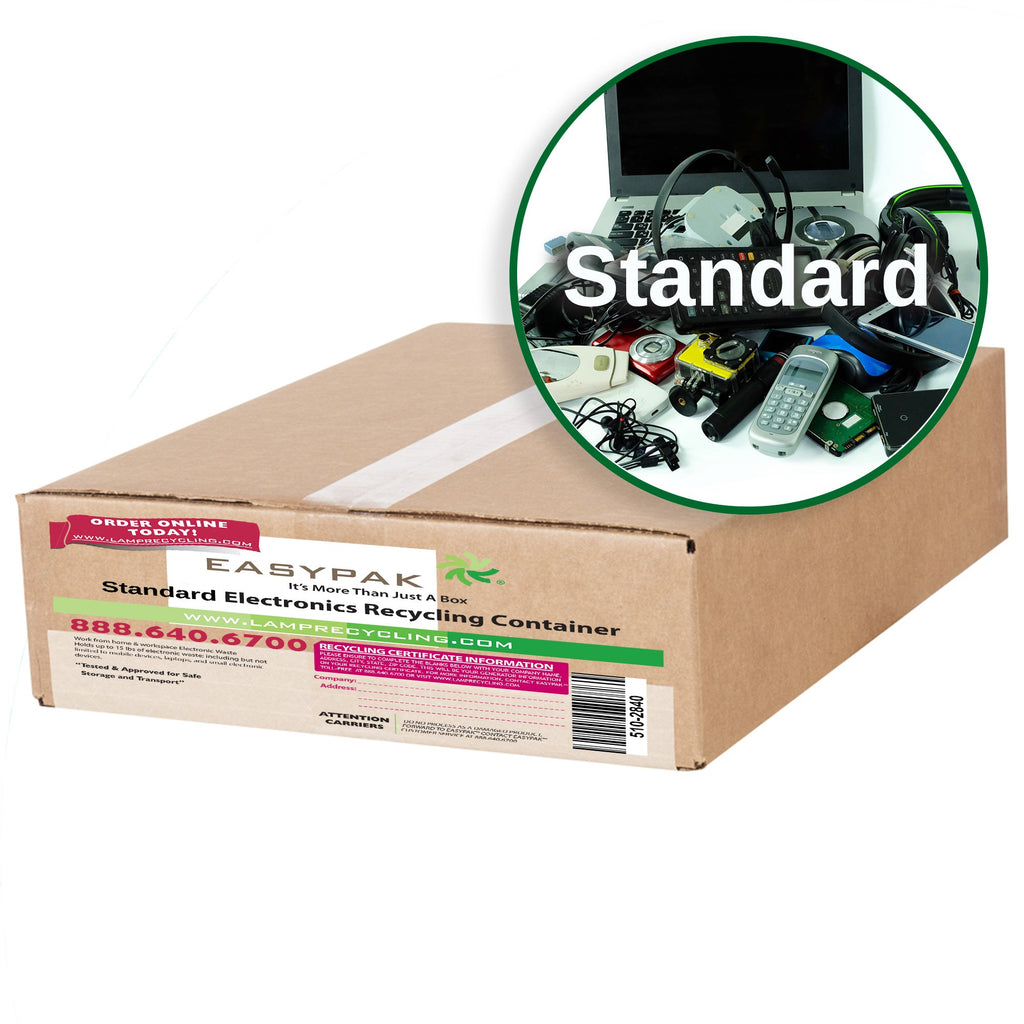
Place your hair dryer in a sturdy box or tote. Avoid loose placement in your car or trunk. Prevent crushing or impact during transport by securing the item properly.
Bulk Disposal: Organize and Label
For salons or businesses disposing of multiple units, use lidded bins to prevent spills and damage. Separate damaged units in marked containers. Do not overpack containers, as crushing increases hazard risk.
Stage units indoors in a dry area away from moisture and traffic before pickup.
Where to Recycle a Hair Dryer
Drop-Off at Certified E-Waste Recyclers
The best option for individuals with one to three units is to use a certified e-waste recycler. Use R2-certified or RIOS-certified recyclers, as they follow strict environmental and safety standards.
Find one near you through the R2 Certified Facilities database or RIOS Certified Recyclers directory. Call ahead to confirm they accept small appliances like hair dryers.
Many recyclers also accept flat irons, curling irons, electric shavers, and corded grooming tools.
Retailer Take-Back Programs
Some retailers accept small electronics for recycling, though policies vary. Best Buy accepts small appliances at most stores with size and weight limits. Staples historically accepted e-waste, but verify current policy before visiting. Local appliance stores may host periodic collection events.
Never assume participation. Always call or check online before dropping off to avoid wasted trips.
Bulk Recycling for Salons and Businesses
Why Businesses Need a Disposal Plan
Salons, hotels, gyms, and schools often replace multiple dryers at once. Without a plan, you risk back-room stockpiling of damaged units, electrical hazards from exposed wiring, and non-compliance with e-waste regulations.
Recommended Bulk Process
Follow these steps for proper bulk disposal. First, count all units by location if you have multiple sites. Second, stage items indoors in dry and secure containers. Third, separate intact units from damaged units. Fourth, schedule pickup before storage becomes unsafe. Fifth, request documentation including pickup logs and recycling certificates.
Bundle hair dryers with other e-waste such as flat irons, curling wands, electric clippers, and heated styling tools.
Use E-Waste Containers and Scheduled Pickup
Companies like EACR Inc. serve New Jersey and surrounding areas with e-waste containers placed on-site, scheduled pickups, bulk recycling events for organizations, and compliance documentation.
Schedule pickup before you run out of storage space to keep your facility safe, organized, and audit-ready.
Community E-Waste Events
Free or Low-Cost Drop-Off Options
Many cities host electronics recycling events throughout the year. DSNY SAFE Disposal Events occur in New York City. County-wide e-waste drives happen in many areas. Nonprofits and schools often sponsor collections.
These events typically accept hair dryers, small appliances, cords and cables, and batteries (separately). Check your local waste management website or follow municipal social media for upcoming dates.
What Happens After Recycling
Material Recovery Process
Once collected, your hair dryer goes through a controlled process at certified facilities. At intake, units are scanned and categorized, with damaged units flagged for special handling and batteries removed and processed separately.
During disassembly and recovery, copper wiring is extracted and sold for reuse. Plastics are sorted by type and recycled. Electronic components are tested, and functional parts may be refurbished. Hazardous materials are managed under strict controls.
Reputable recyclers provide transparency and accountability. There is no mystery disposal when you choose a certified facility.
Common Disposal Mistakes to Avoid
Several mistakes can derail proper disposal. Throwing a hair dryer in the curbside bin contaminates recycling and likely ends in landfill. Disassembling the unit at home creates hazards and may be rejected. Mixing with loose batteries creates fire risk from short-circuiting. Stockpiling damaged units creates electrical and fire hazards while violating safety rules. Assuming all stores take back electronics leads to wasted trips and delayed disposal.
When in doubt, keep the hair dryer intact and find a certified e-waste recycler.
Frequently Asked Questions About Hair Dryer Disposal
Can I recycle a hair dryer with a frayed cord?
Yes, but flag it as damaged. Do not cut the cord. Keep the unit whole and inform the recycler about the damage.
Should I remove the power cord before recycling?
No, unless your recycler specifically asks. Most facilities prefer cords attached for safety and efficiency.
Is a hair dryer e-waste if it’s not broken?
Yes. All hair dryers are e-waste due to internal wiring and electronics. The condition of the unit does not matter.
Can I throw a hair dryer in the trash?
No. It is unsafe, illegal in some areas, and harmful to the environment. Always use proper e-waste channels.
Do I need documentation for business disposal?
Yes, if you are a salon or facility. Reputable recyclers provide pickup logs and recycling certificates for audits and sustainability reports.
Are there recycling fees?
Some recyclers charge small fees for certain electronics, but most accept hair dryers free of charge, especially through community events.
Key Takeaways for Responsible Hair Dryer Disposal
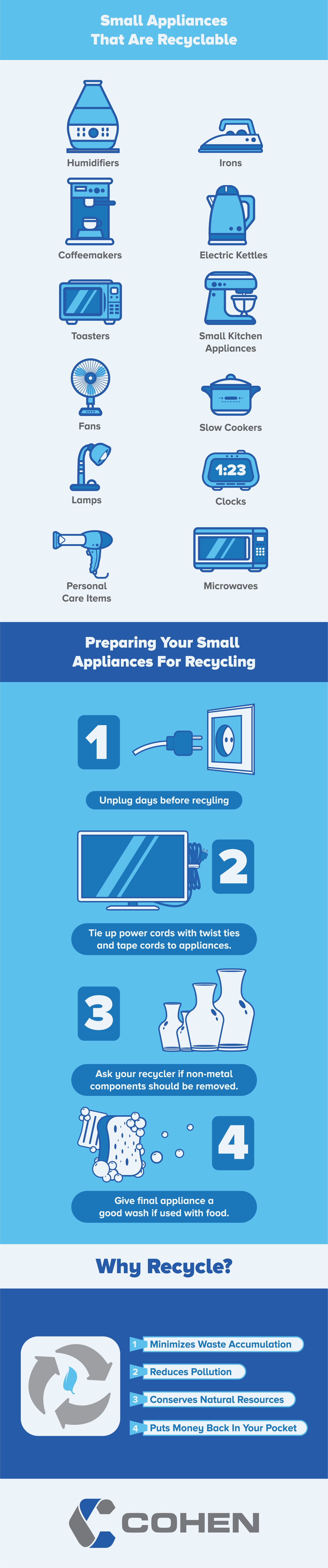
For individuals, never toss a hair dryer in the trash or curbside bin. Use e-waste drop-off locations or community events instead. Keep the unit intact, cool, and cord attached. Package it securely before transport.
For businesses including salons, hotels, and schools, implement a regular e-waste program. Use on-site containers and schedule pickups. Separate damaged units from intact ones. Request documentation for compliance and audits.
Universal best practices include never disassembling electronics, always verifying acceptance before drop-off, choosing R2 or RIOS-certified recyclers, and making recycling a routine part of your operations. Consistency prevents waste accumulation and safety risks.
By treating your hair dryer as e-waste and using certified recycling channels, you protect the environment, avoid hazards, and support the circular economy. Whether you are replacing one at home or dozens at a salon, responsible disposal starts with the right knowledge and ends with peace of mind.