If your hair feels dry, dull, or frizzy, a honey hair mask might be the natural solution you have been searching for. Packed with humectant, emollient, and antimicrobial properties, honey deeply hydrates, soothes the scalp, and boosts shine without harsh chemicals. Used for centuries in traditional beauty rituals, honey is now backed by science as a powerful ingredient for improving hair strength, moisture balance, and overall scalp health. In this guide, you will learn how to use honey effectively, choose the best type, mix proven DIY recipes, and avoid common mistakes so you get smooth, radiant results every time.
Choose the Right Honey Type for Maximum Benefits
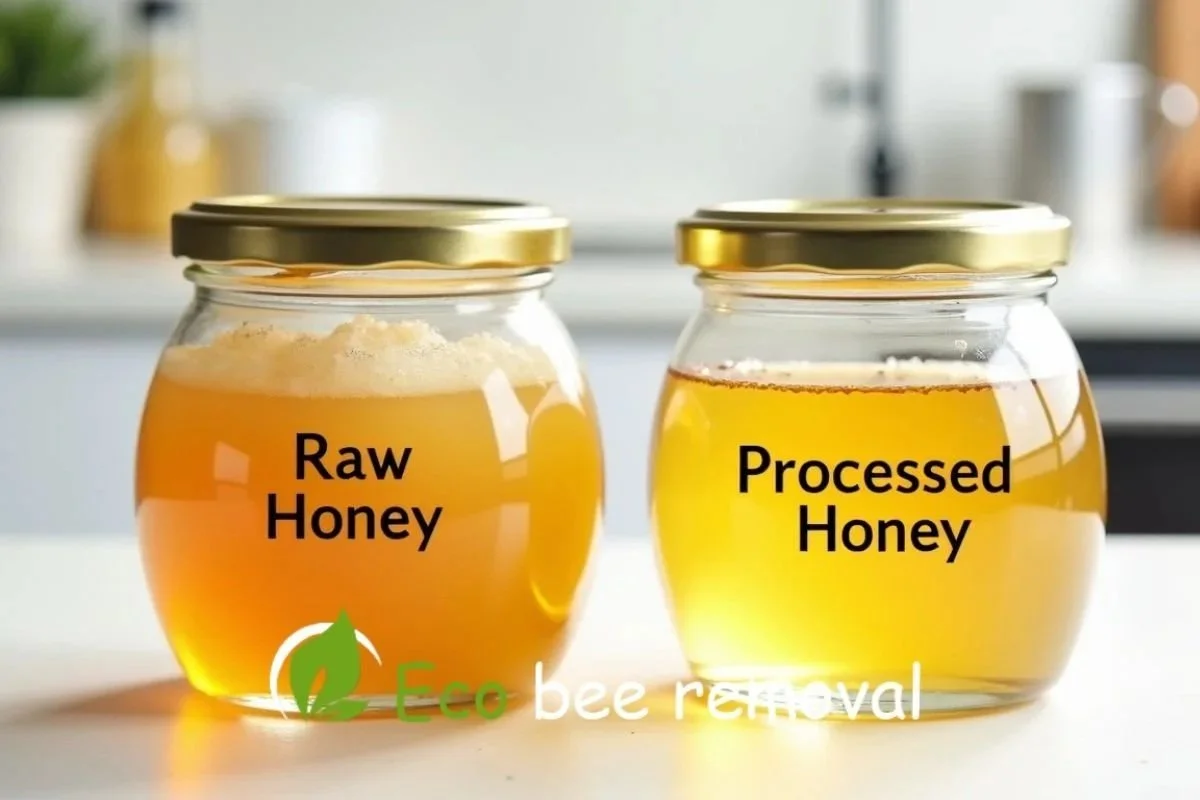
Not all honey works the same for hair care. The key is selecting a high-quality, nutrient-rich variety that retains its natural enzymes and antioxidants.
Use Raw, Unprocessed Honey
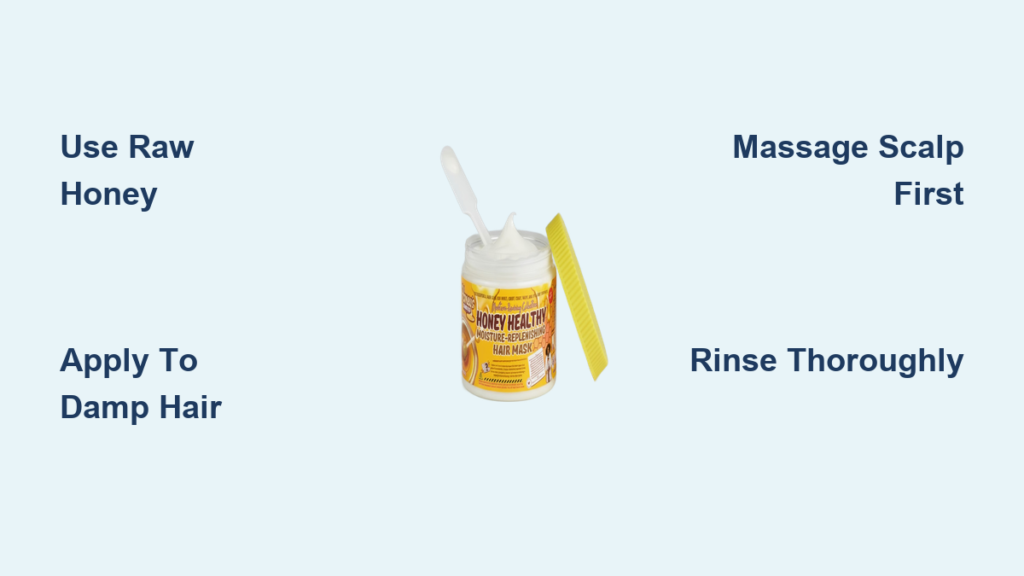
Opt for raw, organic honey instead of processed supermarket brands. Raw honey has not been pasteurized or filtered, so it keeps its beneficial proteins, vitamins like B-complex and C, minerals like zinc and iron, and bioactive compounds. These nutrients nourish both the scalp and hair shaft, enhancing strength and moisture retention.
Try Manuka Honey for Enhanced Results
Manuka honey, sourced from New Zealand, stands out due to its high methylglyoxal content, giving it superior antibacterial and anti-inflammatory effects. It is especially effective for treating dandruff, eczema, or an itchy scalp. While more expensive, a little goes a long way in targeted scalp treatments or blended into masks for enhanced healing.
Avoid Artificial or Flavored Honey
Stay away from honey blends with added sugars, syrups, or artificial flavors. These lack therapeutic value and may leave residue on your hair. Always check the label: the ingredient list should say only honey or raw honey.
Pro Tip: Warm thick honey slightly, 10 to 15 seconds in the microwave or in warm water, to make it easier to mix and apply, but cool it before use to prevent scalp burns.
Prepare Your Hair Properly Before Applying the Mask
How you prepare your hair before applying a honey mask affects how well it absorbs moisture and nutrients.
Start With Damp, Not Soaking Hair
The ideal base is clean, towel-dried hair. After shampooing, gently squeeze out excess water. Damp hair has slightly lifted cuticles, allowing honey to penetrate more deeply. If you skip washing, at least rinse your hair with warm water to open the cuticle.
Section Thick or Long Hair
Divide your hair into 4 to 6 sections using clips. This ensures even coverage and prevents missing spots, especially near the roots and nape of the neck.
Protect Clothing and Surfaces
Honey is sticky and can stain fabrics. Wear an old T-shirt or drape a towel over your shoulders. Work over a sink or shower to minimize mess.
Warning: Avoid applying honey to broken skin or open sores because its mild acidity may sting.
Apply Honey Evenly From Root to Tip
Proper application maximizes benefits for both scalp and strands.
Massage Into the Scalp First
Use your fingertips to gently massage honey or your honey mixture into the scalp in circular motions. This stimulates blood flow, which supports follicle health and encourages stronger growth. Focus on areas prone to dryness, flaking, or irritation.
Pull Mixture Through to Ends
Once the scalp is covered, run your fingers through the mid-lengths and ends. These areas are often the driest and most damaged, so they need extra hydration. For deep conditioning, concentrate more product on the lower half of your hair.
Use Tools for Smooth Distribution
A small applicator brush or wide-tooth comb helps spread thick mixtures evenly, especially when blending in oils, yogurt, or mashed banana. For pure honey, dilute with a teaspoon of water to reduce stickiness and improve glide.
Visual Cue: Your hair should look uniformly coated but not dripping. If it is too wet, you have used too much liquid.
Try These Effective DIY Honey Mask Recipes
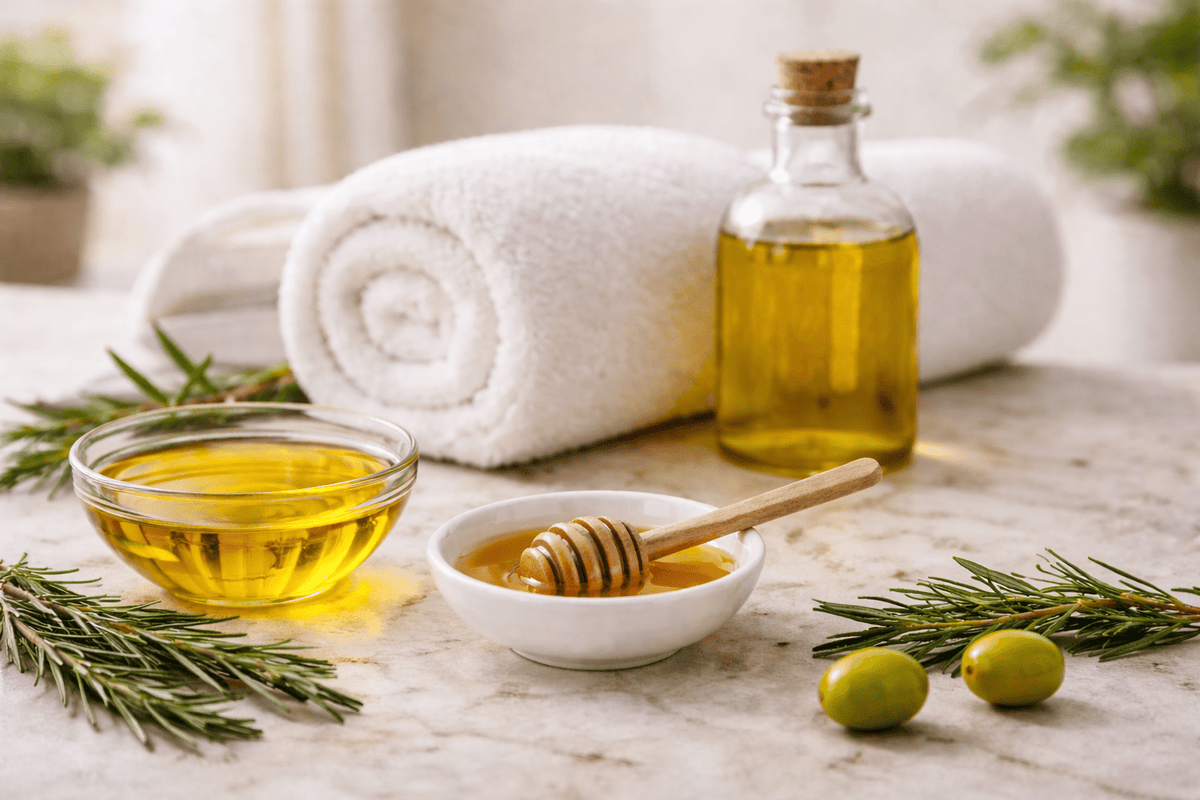
Customize your treatment based on your hair is specific needs using these tested combinations.
Moisturize Dry Hair With Honey and Olive Oil
Best for dry, frizzy, or curly Type 3 to 4 hair.
• ½ cup raw honey
• ¼ cup extra virgin olive oil
Warm gently, mix well, apply from roots to ends. Cover with a shower cap and leave for 30 minutes. Rinse thoroughly with shampoo.
Result: Softer, more elastic hair with improved curl definition and reduced frizz.
Soothe a Flaky Scalp With Honey and Yogurt
Best for dandruff, seborrheic dermatitis, or oily roots.
• ½ cup honey
• ¼ cup coconut oil
• ½ cup plain full-fat yogurt
Blend until smooth. Apply to scalp and hair, massage, and leave for 30 minutes. Rinse with cool water and shampoo.
Why it works: Yogurt is lactic acid exfoliates dead skin, honey fights microbes, and coconut oil moisturizes without clogging pores.
Calm Itchiness With Banana and Honey Mask
Best for itchy, irritated scalp or eczema.
• ½ cup honey
• ¼ cup olive oil
• 1 ripe banana, blended smooth
Mix quickly and apply immediately. Leave on for 10 minutes, then shampoo thoroughly to remove all banana residue.
Bonus: Banana adds potassium and natural oils that nourish and calm inflammation.
Strengthen Weak Hair With Egg and Honey
Best for brittle, heat-damaged, or chemically treated hair.
• ½ cup honey
• ¼ cup melted coconut oil
• 1 whisked egg
Cool the oils before adding the egg to avoid scrambling. Apply and leave for 15 to 20 minutes. Rinse with cool or lukewarm water, then shampoo.
Pro Tip: Add 2 to 3 drops of rosemary essential oil to boost circulation and support growth.
Use Pure Honey for Scalp Therapy
Best for targeted relief from dandruff or inflammation.
• 2 to 3 tablespoons raw honey
• 1 teaspoon water to thin, optional
Massage directly into the scalp. Leave for 1 to 2 minutes, then rinse and shampoo.
Expert Insight: Gretchen Friese, a trichologist, recommends this minimalist method to maximize antibacterial effects without dilution.
Cover and Process for Deeper Penetration

Maximize results by creating a warm, sealed environment during treatment.
Wear a Shower Cap
Always cover your hair with a plastic shower cap to trap heat and moisture. This prevents the mask from drying out and enhances ingredient absorption.
Add Heat for Intensive Conditioning
Wrap your head in a warm towel or sit under a hooded dryer on low heat for 15 to 20 minutes. Heat opens the hair cuticle, allowing honey and oils to penetrate deeper, especially helpful for coarse or low-porosity hair.
Overnight Option for Very Dry Hair
For extreme dryness or 4C textures, apply the mask before bed and wrap hair in a satin cap or towel. Rinse in the morning with cool water and shampoo.
Caution: Only do this with non-staining ingredients like avoiding banana or turmeric.
Rinse Thoroughly to Avoid Residue
Honey is stickiness means it can leave behind a film if not rinsed properly.
Start With Warm Water
Use warm, not hot, water first to dissolve the honey. Hot water can strip moisture and damage proteins, especially after egg-based treatments.
Shampoo to Remove Stickiness
Follow rinsing with a gentle shampoo. You may need to double cleanse, especially if using oil-heavy recipes. A clarifying shampoo once a week prevents buildup from frequent honey use.
Finish With Cool Water
Rinse the final traces with cool water to seal the hair cuticle, lock in moisture, and boost shine.
Condition Only If Needed
Most honey masks are deeply conditioning, so additional conditioner may not be necessary. If you detangle, use a lightweight formula to avoid weighing hair down.
Warning: Honey residue attracts dirt and can make hair look dull. Rinse until your hair feels squeaky-clean.
Use the Right Frequency for Your Hair Type
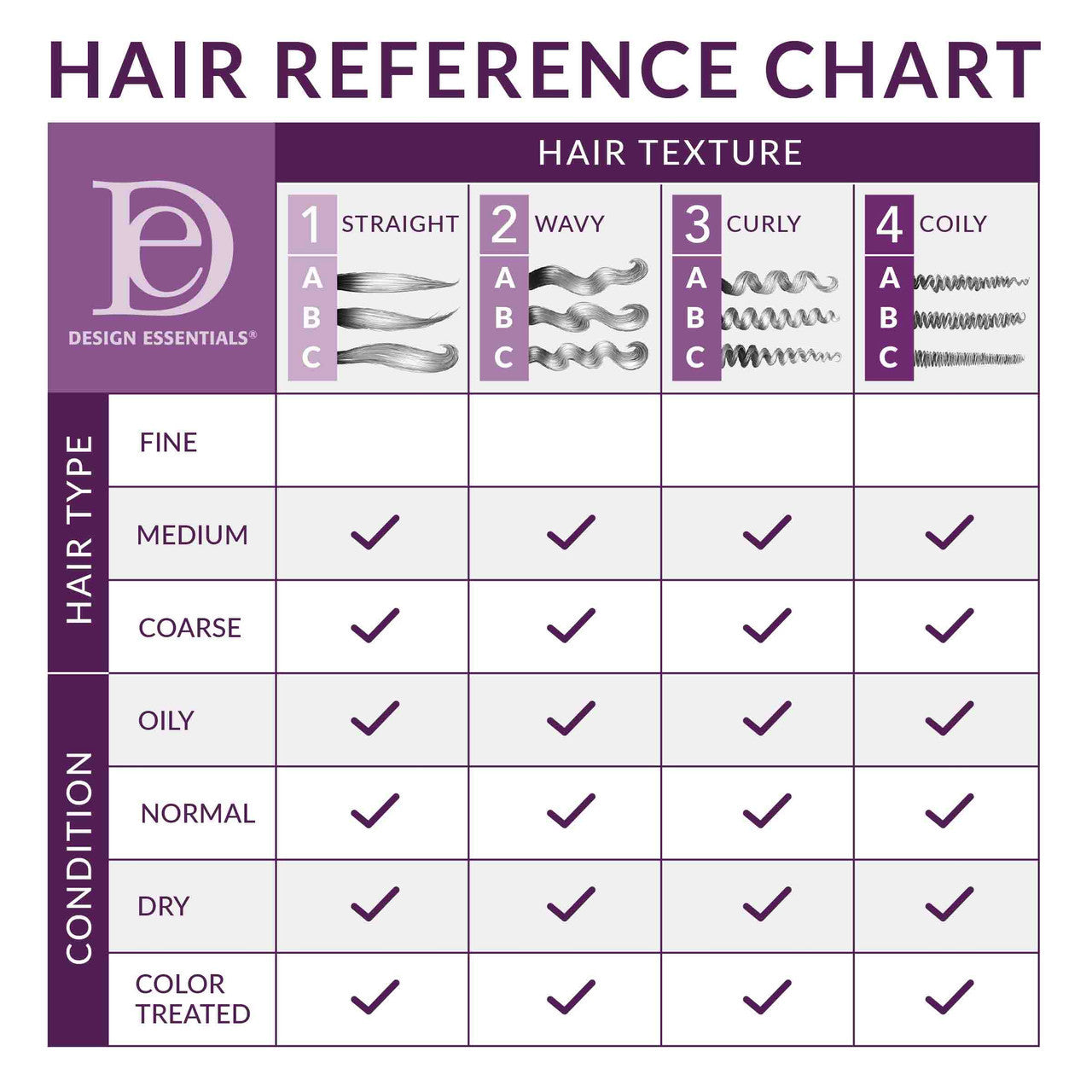
Overuse can lead to protein overload or greasiness. Tailor your schedule to your hair is needs.
Dry or Damaged Hair: Twice Weekly
For severely dehydrated or chemically processed hair, use a honey mask 2 times per week for 4 to 6 weeks, then reduce to weekly maintenance.
Normal or Curly Hair: Once Weekly
Maintain moisture balance and prevent frizz with a weekly treatment. Ideal for Type 2 to 4 hair that loses hydration quickly.
Fine or Oily Hair: Every 7 to 10 Days
Use diluted versions, like honey mixed with aloe vera or water, to avoid heaviness. Focus on mid-lengths and ends, not the scalp.
Protein-Sensitive Hair: Limit Egg-Based Masks
If your hair feels stiff or brittle after protein treatments, reduce frequency to once every 2 to 3 weeks and monitor response.
Tip: Always assess how your hair feels after washing. If it is soft and strong, you are on track. If it is gummy or limp, adjust ingredients or timing.
Enhance Results With These Pro Tips
Boost the effectiveness of your honey mask with simple upgrades.
Add Essential Oils for Scalp Health
Mix in 2 to 3 drops of one of the following:
• Tea tree oil fights dandruff
• Lavender oil soothes irritation
• Rosemary oil stimulates circulation
Always dilute in the carrier, honey or oil, before applying. Never use undiluted on the scalp.
Use Heat Before Application
Warm your hair slightly with a blow dryer before applying the mask. This opens the cuticle and increases absorption.
Combine With Sunlight for Natural Lightening
Honey contains glucose oxidase, which produces tiny amounts of hydrogen peroxide. For subtle, sun-kissed highlights, apply a honey mask and sit in direct sunlight for 30 to 60 minutes. Repeat weekly for gradual lightening.
Note: Works best on light brown or blonde hair with minimal effect on dark tones.
Store Leftover Mixtures Safely
Most DIY masks, especially those with egg or banana, should be used immediately. Oil-honey blends can be stored in a sealed jar for up to 1 week in the fridge. Warm before reuse.
Know the Risks and How to Avoid Them
While honey is generally safe, there are a few precautions to keep in mind.
Allergic Reactions Are Possible
If you are allergic to bee pollen or honey, skip these treatments. Perform a patch test behind your ear or on your forearm and wait 24 hours before full application.
Do Not Overheat the Mixture
Heating honey above body temperature can degrade its enzymes and increase the risk of scalp burns. Test temperature on your wrist. It should feel warm, not hot.
Prevent Eye Irritation
Avoid leaning back during rinsing. If honey runs into your eyes, flush immediately with cool water.
Watch for Buildup
Frequent use without proper cleansing can lead to product buildup, making hair look flat or greasy. Use a clarifying shampoo weekly if needed.
Try Top-Rated Honey Hair Products
Prefer ready-made solutions? These commercial options deliver honey is benefits with convenience.
• SheaMoisture Manuka Honey and Yogurt Treatment for repairing damaged, curly, or color-treated hair
• Garnier Whole Blends Honey Treasures Shampoo for daily hydration for dry, weakened strands
• L’Anza Healing Strength Manuka Honey Conditioner for shine and strength for all hair types
• Gisou Honey Infused Hair Oil for multi-use shine serum and overnight mask
• Qhemet Biologics Olive and Honey Balm for ultra-moisturizing for 4C and coily hair
Expert Pick: Dr. Marisa Garshick recommends SheaMoisture and Garnier for affordable, effective formulations.
Frequently Asked Questions About Using Honey as a Hair Mask
How long should I leave a honey hair mask on?
Standard deep conditioning treatments last 20 to 30 minutes. Intensive moisture or repair masks can go 30 to 60 minutes. For very dry or coarse hair, overnight application under a satin cap works well. Light treatments or protein-based masks need only 10 to 20 minutes.
Can I use honey hair mask on colored hair?
Yes, honey is color-safe and will not strip your color. Instead, it may enhance vibrancy by smoothing the cuticle and adding luster. It preserves hair integrity without compromising existing treatments.
Why does honey make my hair sticky after rinsing?
Honey is naturally viscous and can leave residue if not rinsed thoroughly. Use warm water first to dissolve the honey, then shampoo. You may need to double cleanse, especially with oil-heavy recipes. Finish with cool water to seal the cuticle and remove any remaining stickiness.
How often should I use a honey hair mask?
Dry or damaged hair benefits from twice weekly use for 4 to 6 weeks, then weekly maintenance. Normal or curly hair needs once weekly. Fine or oily hair should use diluted versions every 7 to 10 days to avoid weighing hair down.
What type of honey is best for hair masks?
Raw, unprocessed, organic honey retains maximum enzymes, antioxidants, and nutrients. Manuka honey offers enhanced antibacterial and anti-inflammatory effects, making it ideal for scalp conditions. Avoid processed honey with added sugars or artificial flavors.
Key Takeaways for Using Honey as a Hair Mask
Using honey as a hair mask is a simple, natural way to transform dry, dull hair into soft, shiny, and resilient locks. Its unique blend of humectant moisture, antimicrobial protection, and nutrient-rich nourishment makes it ideal for nearly all hair types, especially curly, damaged, or scalp-sensitive textures. By choosing raw honey, applying it correctly, and rinsing thoroughly, you will avoid stickiness and maximize results.
Start with one of the DIY recipes, commit to weekly use for 4 to 6 weeks, and watch your hair improve in texture, strength, and shine. Whether you go the homemade route or choose a high-quality product, honey proves that sometimes the most powerful beauty remedies come straight from nature. Your hair deserves the sweetness, so try a honey mask today and feel the difference.