
You’ve just stepped out of the shower, towel-dried your hair, and are staring at your blow dryer brush, unsure where to start. You’ve heard it can give you salon-quality volume, smoothness, and soft curls in one tool, but without the right technique, it can leave your hair frizzy, flat, or even damaged. The truth is that using a blow dryer brush correctly transforms your routine, cutting styling time in half while protecting your hair better than traditional tools.
A blow dryer brush combines the drying power of a blow dryer with the shaping ability of a round or paddle brush. This guide reveals exactly how to use a hair blow dryer brush, step by step, for smooth, bouncy, polished results every time, whether you have fine, thick, curly, or short hair.
Choose the Right Blow Dryer Brush for Your Hair Type
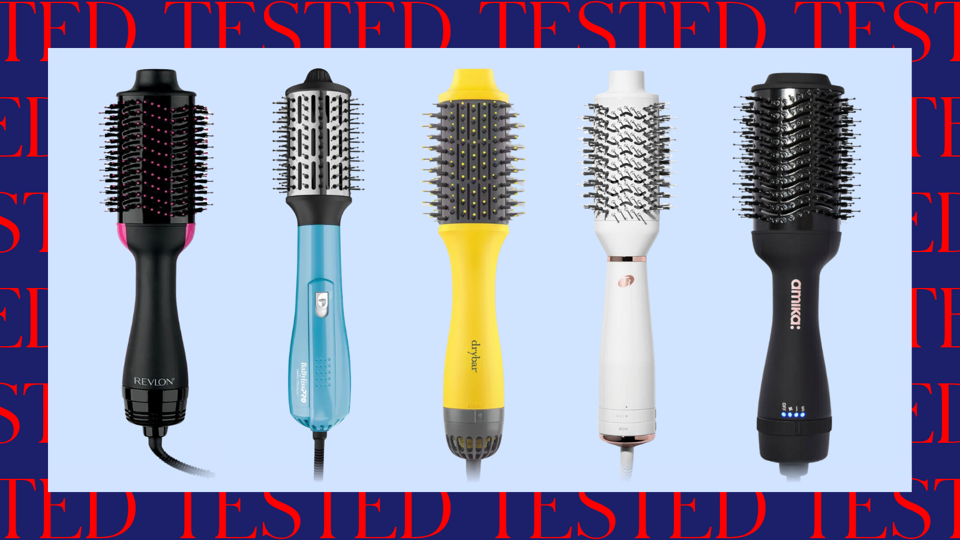
Not all hot brushes work the same way. Picking the right one ensures better results and less damage.
Know Your Brush Type
Hot air brushes emit heated airflow and work best on damp hair that is about 80% dry. These are ideal for adding volume and creating smooth blowouts. Thermal straightening brushes have ceramic plates and should only be used on completely dry hair for touch-ups and straightening. Combination brushes offer both airflow and plates, giving you the most versatility for all-in-one styling.
Match Brush Size to Your Hair
The barrel size you choose directly affects your results. A 1 to 1.5 inch barrel works best for short hair or root lift. A 1.75 to 2 inch barrel suits medium to long hair and creates soft waves. Oval or paddle designs are perfect for fine or straight hair that needs smoothness. Round barrels with smooth bristles are ideal for thick, curly, or coarse hair because they add volume and definition.
Smaller barrels create tighter curls, while larger ones add volume with loose bends.
Prep Hair Properly Before Styling

Skipping preparation leads to frizz, flatness, and heat damage. Taking a few extra minutes to prep pays off with better results.
Wash and Condition Strategically
Start with clean hair using volumizing shampoo and lightweight conditioner. Avoid heavy formulas on your roots because they weigh hair down. Focus conditioner only on mid-lengths and ends.
Towel-Dry to 80% Dryness
Use a microfiber towel or cotton T-shirt to gently squeeze out moisture. Never use a regular bath towel because it roughs up the cuticle and causes frizz. Your hair should be damp but not soaking wet before you begin using the brush.
Never use a hot air brush on soaking wet hair. It traps steam inside the hair shaft, weakening strands and causing breakage.
Detangle Gently
Use a wide-tooth comb or detangling brush on damp hair before applying heat. This prevents snagging and ensures even styling throughout the process.
Apply Essential Styling Products
Heat protectant spray is non-negotiable. Choose one that protects to at least 450 degrees Fahrenheit. Apply volumizing mousse from roots to mid-lengths for lift. Use root lifter or texturizing spray for extra oomph at the crown. Apply blowout cream if you have thick or frizzy hair that needs smoothness.
Comb through after applying products to distribute them evenly.
Section Hair for Control and Even Results
Working in sections prevents missed spots and gives you salon-level precision.
Divide Into 4 to 5 Manageable Sections
Create sections at the nape or lower back, left side, right side, and crown. If needed, add a fifth section at the lower back under the crown. Secure each with duckbill or aluminum clips.
Work From Bottom to Top
Start at the nape, then move to the sides, and finish with the crown. This prevents already-styled hair from getting weighed down by wetter sections.
Use Small Subsections
Take 1 to 2 inch wide sections, especially if your hair is thick, curly, or coarse. Smaller sections yield smoother, more controlled results.
Dry and Style With the Correct Technique
This is where the magic happens. Done right, it delivers glossy, voluminous hair in minutes.
Preheat the Brush Fully
Plug in the brush and let it heat up completely before use. Select the right temperature for your hair. Low heat at 250 to 300 degrees works best for fine, thin, or damaged hair. Medium heat at 300 to 350 degrees suits normal or color-treated hair. High heat at 350 to 400 degrees is for thick, coarse, or curly hair.
Look for ionic or ceramic barrels because they reduce frizz and distribute heat evenly.
Dry Roots First for Maximum Volume
For every section, place the barrel under the roots, close to the scalp. Turn on the heat and lift the hair upward as you slowly glide the brush down. Hold the lift for a few seconds at the root before releasing.
Pulling hair up at the crown creates instant bounce and volume.
Smooth Down the Lengths
After lifting at the root, make a second pass. Keep tension as you pull the brush from scalp to ends. Move slowly because rushing causes frizz and uneven drying. Repeat 2 to 3 times per section if needed.
Avoid multiple passes over the same area because this increases heat exposure and can dry out your hair.
Create Curls or Wavy Ends
Want soft bends or bouncy ends? Use the curling technique for added style variety.
Wrap Hair Around the Barrel
At the end of a section, flip the brush so the ends drape over the barrel. Twirl the brush away from your face, wrapping hair around it. Roll it up toward the roots while maintaining tension.
Hold and Set the Curl
Hold for 15 to 20 seconds, less time for looser waves. Press the cool shot button to lock in the shape. Keep cool air blowing for 3 to 5 seconds before releasing.
This technique works best with round-barrel brushes. Avoid using paddle-style brushes for curling unless they are specifically designed for that purpose.
Create Looser Waves
For beachy texture, wrap only the last 2 to 3 inches of hair around the barrel. Hold briefly and release.
Straighten Hair Smoothly and Safely
Get sleek, frizz-free results with proper technique and the right brush type.
Use the Right Brush Type
Use a hot air brush on hair that is 80% dry for drying and straightening in one step. Use a thermal straightening brush on completely dry hair for touch-ups and final smoothing.
Apply Smoothing Products First
Use heat protectant combined with lightweight serum or blowout cream before styling.
Pull With Steady Tension
Place the brush under a small section near the roots. Slowly pull down the shaft with constant, even pressure. For volume, lift slightly at the roots first, then smooth down.
Avoid clamping down or pausing in one spot because this causes kinks and hot spots.
Style Short Hair and Bangs Like a Pro
Short cuts and bangs need precision, not power.
Use a Small-Barrel Brush
Choose a 1 to 1.5 inch barrel for better control on bobs, lobs, or pixie cuts.
Lift and Flip at the Ends
Place the brush at the roots, as close to the scalp as possible. Lift and twirl away from the face to create a soft flip. For straight styles, glide smoothly from root to tip.
Style Bangs Without Over-Drying
Part bangs horizontally into top and bottom layers. Hold the brush upward, gliding slowly through each layer. Use low to medium heat and finish with cool shot.
Lock In Your Style for Long-Lasting Results
Do not let your hard work fall flat by afternoon.
Set Curls With Clips
After styling a section, roll it into a loose curl with your fingers. Secure with aluminum styling clips. Let cool completely before removing. This sets the shape and helps it last longer.
Boost Volume With Velcro Rollers
Wrap sections around self-grip rollers like Dry Bar High Tops. Leave in for 20 to 30 minutes while getting dressed. Remove easily for bombshell bounce.
This technique is perfect for events or days when you want all-day volume.
Finish With Shine and Hold
The final touches make your style look polished and last longer.
Apply Lightweight Hairspray
Use volumizing spray at the roots for lift. Use flexible-hold spray overall to prevent flyaways. Avoid heavy sprays because they weigh hair down.
Add Shine to Ends
Use a few drops of argan oil or smoothing serum on dry ends. Do not apply to roots because this causes greasiness.
Optional: Flip your head upside down and gently tousle roots for extra lift.
Prevent Damage and Protect Hair Health
Used wrong, any heat tool can harm your hair. These steps keep it strong.
Never Use on Soaking Wet Hair
Most hot air brushes lack strong airflow. The risk of steam damage is real, where internal moisture boils and weakens the shaft. Only use on damp, 80% dry hair, except for thermal brushes which go on dry hair.
Always Use Heat Protectant
Even on second-day touch-ups, apply a lightweight thermal shield. This is not optional.
Limit Heat Exposure
Use the lowest effective heat setting. Avoid going over the same section more than twice. Limit use to 3 to 4 times per week if your hair is fragile.
Ionic technology helps, but it does not replace heat protection.
Clean and Maintain Your Brush
A dirty brush reduces performance and can damage your hair.
Remove Hair and Debris
Unplug and let the brush cool completely. Use a comb or tweezers to pull out tangled hair.
Wipe the Barrel Gently
Use a damp cloth. Never soak or immerse the brush in water. Clean every 3 to 5 uses.
Store Properly
Keep in a dry place. Avoid wrapping the cord tightly around the brush. Use a heat-resistant mat or travel pouch.
With proper care, the average lifespan is 2 to 5 years.
Frequently Asked Questions About Using a Blow Dryer Brush
Can I use a blow dryer brush on wet hair?
No. Using a hot air brush on soaking wet hair causes steam damage, where internal moisture boils and weakens the hair shaft. Always towel-dry hair to about 80% dry first.
What is the best temperature setting for fine hair?
Use low heat at 250 to 300 degrees Fahrenheit for fine, thin, or damaged hair. This prevents brittleness and breakage while still achieving volume and smoothness.
How often should I use a blow dryer brush?
Using it 3 to 4 times per week is safe for most hair types. Daily use is acceptable with low heat and heat protectant, but may cause cumulative damage over time, especially on fine or color-treated hair.
Can I use a blow dryer brush on curly hair?
Yes. Use it to smooth or stretch curls, not eliminate them entirely. Start with damp, 80% dry hair. Use heat protectant and leave-in conditioner. Work in small sections using medium to high heat for coarse curls.
Do I need to use heat protectant every time?
Yes. Heat protectant is essential every time you use heat on your hair, including second-day touch-ups. It shields the cuticle from damage and maintains hair health.
What brush size creates the most volume?
A larger barrel creates more volume with loose bends, while a smaller barrel creates tighter curls. For maximum root lift, choose a 1 to 1.5 inch barrel and focus on lifting at the crown.
Key Takeaways for Mastering Your Blow Dryer Brush
Mastering how to use a hair blow dryer brush is about technique, not speed. Start with clean, 80% dry hair, apply heat protectant, work in small sections, and move slowly throughout the process. Whether you want volume, smoothness, or soft curls, the right approach delivers salon-quality results at home without the damage.
Choose the correct brush type and size for your hair. Use appropriate heat settings. Always prep with the right products. With practice, you will cut your styling time in half and keep your hair healthier, shinier, and fuller every day.


