
You’re blow-drying your hair after a shower when the hot air suddenly feels too intense near your scalp. That uncomfortable moment raises an important question: how hot can a hair dryer actually get? Understanding these temperatures matters for both your safety and your hair’s health.
Hair dryers can reach temperatures exceeding 300°F (150°C) on their highest settings. While this heat makes drying faster, it also creates real risks for burns, melted materials, and cumulative hair damage. This guide breaks down exactly how hot hair dryers get, what temperatures cause problems, and how to use your dryer safely.
Hair Dryer Temperature by Heat Setting
Hair dryers come with multiple heat settings, each producing different temperature ranges. Understanding these levels helps you choose the right setting for your hair type.
Low Heat Settings: 104–122°F (40–50°C)
Low heat is ideal for fine, thin, damaged, or color-treated hair. This gentle temperature evaporates moisture without stressing the hair shaft or lifting the cuticle. You can use this setting daily without significant long-term damage. The air feels warm but never hot to the touch.
Medium Heat Settings: 130–160°F (55–70°C)
Medium heat serves as the go-to setting for most users with normal to thick hair. It balances drying speed with protection, causing minimal damage when you keep the dryer moving and maintain proper distance. This range dries hair efficiently while reducing the risk of cuticle lifting.
High Heat Settings: Up to 302°F (150°C)
High heat delivers fast drying for thick, coarse, or very long hair. However, temperatures above 200°F (93°C) can cause rapid moisture loss and protein denaturation with repeated exposure. Use this setting sparingly and never hold the dryer stationary on any section.
Maximum Temperature by Wattage

Wattage directly influences heat output and drying speed. Higher wattage means more power and potentially higher temperatures, though design factors also play a role.
1200 Watts: Gentle Drying at 140°F (60°C)
These dryers provide mild heat perfect for fine or fragile hair. They work well for sensitive scalps but may struggle with thick or curly hair types. Ideal for travel or light daily styling.
1500 Watts: Balanced Performance at 160–257°F (71–125°C)
This wattage represents the standard for most household dryers. It offers effective drying without extreme heat, making it suitable for average hair types. Models with ionic or ceramic technology help reduce frizz while maintaining manageable temperatures.
1875 Watts: High Performance at 180–302°F (82–150°C)
Popular in both home and salon settings, this wattage handles dense or curly hair effectively. Use caution with these powerful units and always apply heat protectant before drying.
2000–2500 Watts: Professional Grade at 200–302°F+ (93–150°C+)
Professional salon dryers in this range offer the fastest drying times and highest heat output. Built for stylists working on thick textures, these units often include advanced heat regulation. Even so, misuse leads to overheating and damage.
Real-World Temperature Measurements

Infrared thermometer tests reveal what hair dryers actually produce under typical use conditions.
Standard Distance Temperatures
When held 6–8 inches from a surface (the recommended distance), most dryers peak around 210°F (99°C). This temperature is hot enough to cause skin burns in under 3 seconds of continuous exposure.
Close Proximity Temperatures
Holding the nozzle within 2–3 inches increases surface temperature by approximately 20°F. The air stream itself doesn’t get hotter, but heat concentrates on a smaller area, dramatically raising burn and damage risk. If you see steam rising from wet hair, you’re applying intense heat and should increase distance immediately.
Why Concentrator Nozzles Increase Risk
Many users assume concentrator nozzles make the air hotter. This is a common misconception that leads to unsafe practices.
How Concentrators Actually Work
A concentrator focuses airflow into a narrow beam without raising the peak temperature. However, this focused heat increases localized thermal impact significantly. The same peak temperature of 231°F applies to a much smaller area, creating concentrated danger.
Materials at Risk From Concentrated Heat
Concentrator nozzles can melt plastic combs, burn skin, and overheat sections of hair far more easily than dispersed airflow. Never touch the nozzle to your scalp or hold it still on one area for more than 5–10 seconds, even on medium heat settings.
Materials That Melt at Hair Dryer Temperatures
Hair dryers can damage more than just your hair. Nearby materials may not survive direct exposure to the heat stream.
Nylon Bristles Melt First
Common in affordable brushes, nylon bristles soften and deform at dryer temperatures. If your brush smells burnt, it’s likely melting rather than damaging your hair.
Boar Bristles Scorch
Natural boar bristles can scorch under prolonged heat, producing a smell identical to burning hair. This often tricks users into thinking their hair is damaged when it’s actually the brush melting.
Human Hair Resists Melting
Human hair has an ignition point around 451°F (233°C), far above any hair dryer’s output. Hair won’t melt at dryer temperatures, but repeated exposure above 203°F (95°C) causes cuticle damage leading to split ends and breakage.
Hair Damage Temperature Thresholds
Hair doesn’t catch fire in a dryer, but it suffers silent damage over time from heat exposure.
Cuticle Damage Begins at 203°F (95°C)
The protective outer layer of hair starts lifting at this temperature. Once compromised, hair loses moisture, becomes porous, and appears dull. Most dryers exceed this threshold on high settings.
Moisture Loss Accelerates Above 257°F (125°C)
Frequent use above this range strips natural oils and causes brittleness. While curly or coarse hair may need high heat, limit exposure time to reduce long-term dryness and damage.
Ignition Requires Extreme Heat
The ignition point of human hair is approximately 451°F (233°C), far beyond any standard hair dryer. Your hair won’t catch fire from a blow dryer, but it can become severely weakened through cumulative heat damage.
Skin Burn Risk at High Temperatures
Your skin is far more vulnerable to heat than your hair. Understanding burn thresholds helps you avoid injury.
How Fast Burns Occur
Water at 140°F causes burns in 6 seconds. At 150°F, just 5 seconds causes severe injury. Hair dryer output routinely exceeds 200°F, meaning burns can occur in under 2 seconds of continuous exposure.
Nozzle Contact Hazards
Touching the hot nozzle (especially after prolonged use) causes immediate burns. Even airflow held too close to the scalp or ears can blister sensitive skin. Never leave a running dryer unattended or place it on flammable surfaces.
How Hair Dryers Compare to Other Styling Tools
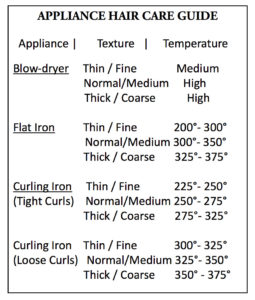
Understanding how hair dryers stack up against other heat tools puts their temperature into perspective.
Flat Irons Reach 300–450°F (150–232°C)
Flat irons apply direct contact heat and are far more damaging per use than hair dryers. The direct pressure combined with high temperature causes significant cuticle damage.
Curling Irons Reach 250–400°F (121–204°C)
Concentrated heat on small sections increases risk of scorching. These tools require even more caution than dryers due to their direct contact application.
Heat Guns Reach 500–1200°F (260–650°C)
Heat guns used for paint stripping or crafts far exceed human tolerance. Never use a heat gun on hair or skin. Hair dryers are designed for controlled, moving heat application and remain the safest styling option when used properly.
What Makes Your Dryer Run Hotter
Several factors influence how hot your dryer feels in practice, beyond just the setting you choose.
Distance Matters Most
Every inch of distance significantly affects surface temperature. Holding the dryer 6–8 inches (15–20 cm) from hair reduces surface temperature dramatically while still drying effectively.
Filter Buildup Causes Overheating
A clogged filter restricts airflow, forcing the motor to work harder and generating more heat. This leads to burnt smells, reduced performance, and potential fire hazard. Clean the rear filter monthly with a soft brush.
Airflow Design Affects Heat Distribution
Diffusers spread heat over a wider area, reducing intensity and protecting curly hair patterns. Concentrators focus heat for precision styling but increase localized risk.
Safe Hair Dryer Usage Guidelines
Protecting your hair and skin requires smart habits every time you dry.
Apply Heat Protectant First
Thermal sprays or serums form a protective barrier that reduces moisture loss and shields the cuticle from direct heat. This step is essential for colored or chemically treated hair.
Match Heat to Your Hair Type
Fine or damaged hair needs low to medium heat below 160°F (71°C). Thick or coarse hair may handle higher heat but limit duration. Always start with lower heat and increase only if needed.
Keep the Dryer Moving Constantly
Never hover in one spot. Continuous motion prevents hot spots and scorching. Keep the dryer moving in slow passes from roots to ends.
Maintain Proper Distance
Hold the dryer 6–8 inches from your scalp and hair. This simple rule drastically reduces burn and damage risk while still drying effectively.
Finish With Cool Air
A burst of cool air sets your style, seals the cuticle, and boosts shine. It also prevents residual heat from lingering and causing additional damage.
Stop at 80% Dry
Let hair air-dry the final 20% to minimize heat exposure. Over-drying causes brittleness and increases damage.
Frequently Asked Questions About Hair Dryer Heat
Can a hair dryer set hair on fire?
No. Human hair ignites at approximately 451°F (233°C), far above any hair dryer’s maximum output of about 302°F. However, hair can smolder or scorch if held extremely close to heat sources for extended periods.
What temperature is safe for fine or damaged hair?
Keep temperatures below 160°F (71°C). Use the low or medium setting and maintain 6–8 inches distance. Apply heat protectant before every drying session.
How long does it take to get burned by a hair dryer?
Severe burns can occur in under 2 seconds when the dryer is held close on high heat. At standard 6-8 inch distances, burns may take 3+ seconds, but prolonged exposure still causes injury.
Do higher wattage dryers always run hotter?
Generally yes, but design matters significantly. Two dryers with identical wattage can produce different temperatures due to motor efficiency, heating element quality, and airflow engineering. Don’t assume higher watts always mean hotter air.
Why does my hair dryer smell burnt?
A burnt smell usually indicates clogged filter debris, dust accumulation in vents, or hair caught in the heating element. Clean the filter immediately and check for visible debris in the airflow openings.
Is 350°F safe for any hair type?
Only for very coarse hair and only with brief use. For fine, color-treated, or damaged hair, 350°F causes severe damage. Most hair types should stay below 200°F for safe daily use.
Key Takeaways for Safe Hair Drying
Hair dryers reach temperatures between 100°F and 302°F depending on setting and wattage. Low heat at 104–122°F works safely for all hair types, while high heat up to 302°F should be used sparingly and only on thick, coarse hair.
Distance plays a critical role in safety. Holding the dryer 6–8 inches from your head prevents burns and reduces cuticle damage. Never hold the dryer stationary on any section, and clean your filter monthly to prevent overheating.
Your skin burns far more easily than your hair. While hair tolerates temperatures up to 200°F+ without immediate damage, skin burns in seconds at temperatures above 200°F. Treat the dryer nozzle and hot airflow with respect.
Apply heat protectant before every drying session, match your heat setting to your hair type, and stop drying when hair reaches about 80% dry. These simple habits protect your hair’s health while still giving you the styling results you want.