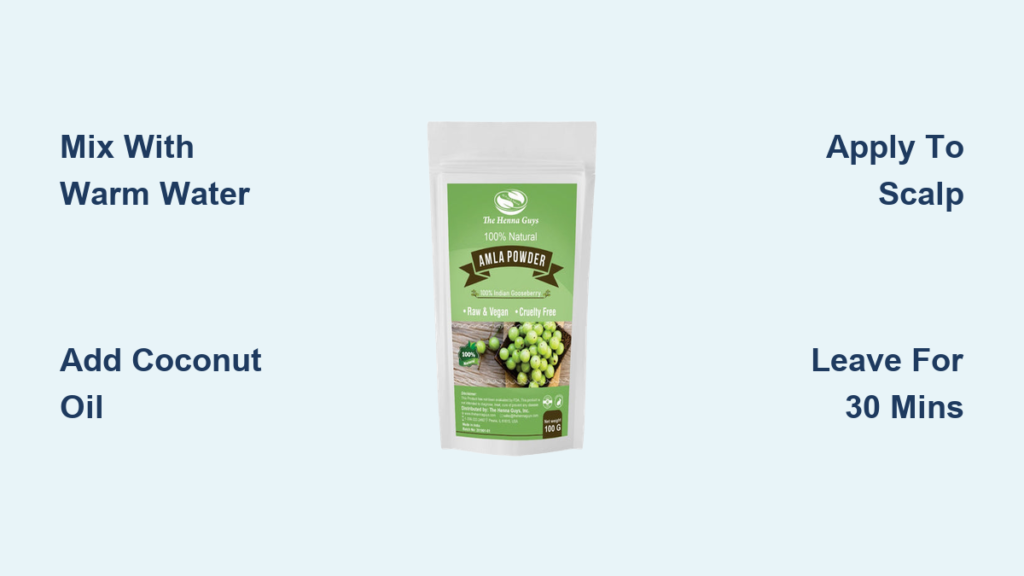
If you’re searching for a natural way to transform dull, weak, or thinning hair, learning how to make an amla powder hair mask is one of the most effective steps you can take. Amla powder, derived from the dried Indian gooseberry, contains exceptionally high levels of vitamin C, antioxidants, tannins, and essential fatty acids that strengthen hair follicles, stimulate growth, and restore shine. For centuries, Ayurveda has relied on amla as a cornerstone treatment for hair fall, premature greying, dandruff, and scalp health.
In this comprehensive guide, you will discover exactly how to create a customized amla hair mask tailored to your specific hair concerns, learn 15 proven recipes, and master the application technique that delivers real, visible results in as little as four to six weeks.
Choose Your Amla Base
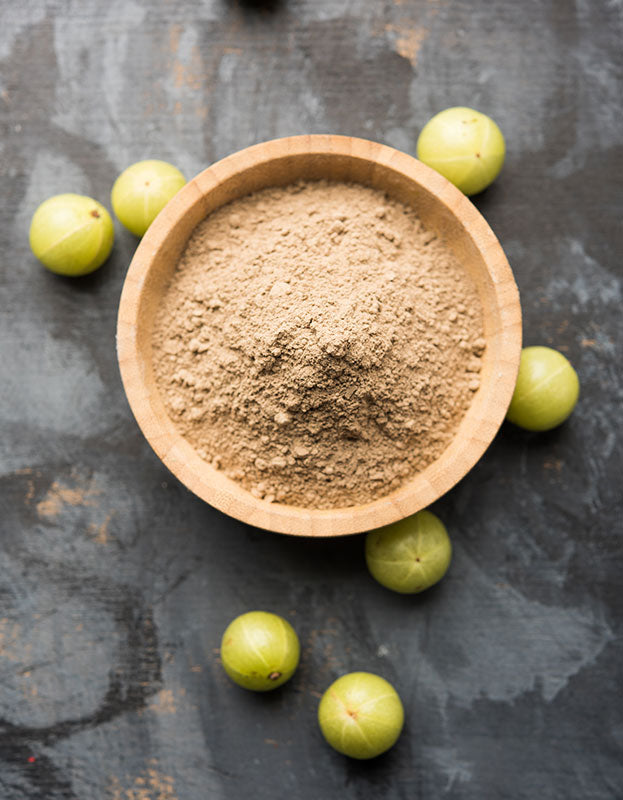
Every effective amla hair mask begins with a properly prepared base. Getting this foundation right ensures maximum nutrient absorption and even application across your scalp and strands.
Use Pure Amla Powder Correctly
Start with two to three tablespoons of organic, additive-free amla powder. Adjust the quantity based on your hair length: use two tablespoons for short to medium hair and three tablespoons for long or thick hair. Always mix your powder in a non-metallic bowl made of glass, ceramic, or wood to prevent oxidation that can reduce potency.
Activate with Warm Liquid
Combine your amla powder with warm water, herbal tea, or your chosen plant-based liquid to form a smooth, lump-free paste. Warm liquids help release active compounds like vitamin C and tannins more effectively than cold liquids, which can slow hydration and reduce efficacy. The ideal consistency should resemble pudding, thick enough to stay on your spoon but spreadable enough to apply easily.
Let the mixture rest for five to ten minutes after mixing. This resting phase allows the powder to fully swell and activates the nutrients for better absorption when applied to your hair.
Customize with Targeted Boosters

Once you have your amla base, tailor the mask by adding natural ingredients that address your specific hair goals. The right boosters can transform a basic amla mask into a targeted treatment for growth, moisture, or dandruff control.
Best Liquid Add-Ins for Different Hair Needs
For dry or damaged hair, coconut milk provides deep hydration and helps prevent protein loss. Mix two tablespoons of amla powder with three tablespoons of coconut milk and leave the mask on for 45 minutes.
For oily scalp or dandruff concerns, plain yogurt works exceptionally well. The lactic acid exfoliates the scalp, balances pH, and controls sebum production. Combine two tablespoons of amla with two tablespoons of plain yogurt for an effective clarifying treatment.
For sensitive or itchy scalps, fresh aloe vera gel soothes inflammation, heals micro-tears, and adds gentle hydration. Blend two tablespoons of amla with two tablespoons of fresh aloe gel and rinse after 30 minutes.
For dandruff control, lemon juice acts as a natural antifungal and clarifying agent. Mix three tablespoons of amla with two tablespoons of fresh lemon juice. Important caution: avoid sun exposure after using lemon on your scalp, as it increases photosensitivity.
For hair growth acceleration, onion juice delivers a powerful sulfur boost that strengthens roots and stimulates collagen production. Blend two tablespoons of amla with two tablespoons of fresh onion juice. To reduce the strong odor, mix with honey or a carrier oil before applying.
Top Oils to Enhance Penetration
Coconut oil works best for dry, porous, or chemically treated hair by sealing in moisture and preventing protein loss. Add one tablespoon to your amla base.
Almond oil strengthens weak roots and reduces hair fall, making it ideal for thinning hair. Use two to three tablespoons mixed directly with your powder.
Jojoba oil mimics natural scalp sebum, making it perfect for oily scalps without clogging follicles. Its lightweight nature allows it to penetrate without weighing hair down.
Brahmi oil is an Ayurvedic favorite for stress-related hair loss and thinning. It nourishes the scalp while promoting relaxation and improved blood circulation.
Aloe vera oil helps delay premature greying by nourishing melanin-producing cells while conditioning the hair shaft.
Natural Binders and Nutrient Boosters
Honey acts as a humectant that draws moisture into your hair while adding brilliant shine. Use one tablespoon mixed into your base.
Fenugreek powder reduces shedding and stimulates growth. Soak fenugreek seeds overnight before mixing with amla for maximum potency.
Hibiscus powder conditions hair beautifully while enhancing your natural color. It adds shine and improves manageability.
Beetroot powder improves blood circulation to the scalp but may temporarily tint light hair pink, so use caution if you have blonde or light-colored hair.
Egg yolk provides protein-rich strengthening for brittle strands. Use one egg yolk mixed with your amla paste if you have no egg allergy.
15 Proven Amla Mask Recipes by Hair Goal

These targeted recipes address specific hair concerns using proven ingredient combinations. Choose the formula that matches your primary hair goal.
Simple Amla and Water Mask for All Hair Types
Mix two tablespoons of amla powder with warm water until you achieve a pudding-like consistency. This basic mask cleanses, strengthens, and adds shine. Leave it on for 30 minutes before rinsing thoroughly.
Amla and Coconut Oil for Dry or Damaged Hair
Combine two tablespoons of amla powder, one tablespoon of coconut oil, and two tablespoons of warm water. This deep hydration treatment prevents breakage and restores moisture to parched strands. Leave on for 45 minutes.
Amla and Yogurt for Thinning Hair
Mix two tablespoons of amla with two tablespoons of plain yogurt and one teaspoon of honey. The protein content strengthens hair shafts while reducing shedding. Apply and leave on for 45 minutes.
Amla and Aloe Vera for Itchy Scalp
Blend two tablespoons of amla powder with two tablespoons of fresh aloe gel. This soothing combination calms irritation and heals inflammation. Leave on for 30 minutes.
Amla and Lemon for Dandruff Control
Combine three tablespoons of amla with two tablespoons of lemon juice. The antibacterial properties fight dandruff-causing fungus while clarifying the scalp. Leave on for 30 to 60 minutes. Use once weekly and avoid sunlight exposure afterward.
Amla and Olive Oil for Hair Growth
Mix two tablespoons of amla with two tablespoons of olive oil. The fatty acids nourish follicles while antioxidants boost growth. Leave on for 45 minutes.
Amla and Almond Oil to Prevent Hair Loss
Combine three tablespoons of amla with two and a half tablespoons of almond oil. This fortifies roots and reduces fallout. Leave on for 30 minutes.
Amla and Bhringraj for Stronger Strands
Mix three tablespoons of amla with two tablespoons of bhringraj powder and enough water to form a paste. This powerful Ayurvedic combination promotes silky, strong hair. Leave on for 20 minutes.
Amla and Beetroot for Natural Color Boost
Combine two tablespoons of amla with two tablespoons of beetroot powder. This improves circulation and enhances red tones. Note: may temporarily stain light hair pink.
Amla and Fenugreek for Growth and Texture
Mix two tablespoons of amla with one tablespoon of fenugreek powder. This reduces fall and improves softness. Leave on for 45 minutes.
Amla and Honey for Moisture Lock
Combine two tablespoons of amla with one tablespoon of honey and two tablespoons of water. The humectant action draws moisture in and adds gloss. Rinse thoroughly, as honey can leave a sticky residue.
Reetha-Shikakai-Amla for Grey Hair Care
Mix equal parts amla, reetha, and shikakai powder (two tablespoons each) with one tablespoon of hibiscus and one to two tablespoons of brahmi oil. This classic Ayurvedic combination delays greying while gently cleansing. Leave on for 20 minutes.
Amla and Rosewater for Hydration and Growth
Combine three tablespoons of amla with one cup of rosewater. This soothing treatment hydrates and promotes growth. Leave on for 15 minutes.
Amla and Onion Juice for Thicker Hair
Mix two tablespoons of amla with two tablespoons of fresh onion juice. The sulfur content boosts collagen and reduces shedding. Leave on for 20 minutes. Mix with yogurt to mask the odor.
Amla and Aloe Oil to Delay Greying
Combine two tablespoons of amla with one tablespoon of aloe vera oil. This nourishes pigment cells while conditioning. Leave on for 15 minutes.
Apply Like a Pro: Step-by-Step Guide
Proper application technique dramatically affects your results. Follow these steps to get the most from your amla mask.
Pre-Wash Your Hair
Shampoo first to remove buildup from your scalp. This allows the mask to penetrate more effectively. Towel-dry until damp, not soaking wet, as slightly damp hair helps the mask adhere and absorb better.
Section Your Hair
Divide your hair into four to six sections using clips. This ensures complete coverage, especially at the scalp where it matters most for growth and scalp health.
Apply from Roots to Ends
Using your fingers, a brush, or an applicator bottle, work the paste into your scalp first using circular motions. Massage for three to five minutes to boost blood circulation. Then work through the lengths, giving extra attention to dry or split ends.
Cover and Wait
Wear a shower cap to trap heat and prevent the mask from drying out. Timing matters: light masks with water or rosewater need 15 to 20 minutes, medium masks with oil or yogurt need 30 to 45 minutes, and stronger masks with lemon or onion can stay on up to 60 minutes.
Rinse Thoroughly
Use lukewarm water, never hot, and rinse until the water runs completely clear. You may need multiple rounds, especially with oily or honey-based masks. Follow with a sulfate-free shampoo if needed.
Deep Condition Optionally
Apply a protein or moisture-rich conditioner after rinsing. For low-porosity hair, use a warm towel wrap or hooded dryer to help the conditioner penetrate better.
Post-Mask Care: Lock in Results
Maximize your mask benefits by following the LCO method after rinsing.
Apply a water-based leave-in conditioner containing glycerin or aloe to damp hair in sections. Follow with a lightweight cream or gel distributed from mid-lengths to ends. Finish with two to three drops of jojoba, argan, or amla oil, focusing on your ends and giving your scalp a light massage.
Avoid applying heavy oils at your roots if you have oily hair, as this can cause greasiness and clogged follicles.
How Often Should You Use It
Frequency depends on your hair type and concern.
Normal hair benefits from once-weekly maintenance. Dry or damaged hair responds well to two to three weekly applications, focusing on oil and honey-based masks. Hair fall responds to twice-weekly treatments using almond, bhringraj, or fenugreek combinations. Oily scalp needs only one to two weekly applications using yogurt, water, or aloe bases. Sensitive scalp should start with every 10 to 14 days and always patch test first. Colored hair can handle once weekly but should skip lemon and onion ingredients that may strip color.
Pair your weekly masks with three to four weekly amla oil treatments for optimal results. Remember that consistency matters: visible improvements typically appear in four to six weeks.
Hair Type-Specific Tips
For dry hair, use coconut oil, honey, or coconut milk as your base. Avoid lemon and onion juice, which can be too drying.
For oily hair, choose yogurt, rosewater, or aloe vera. Avoid heavy oils like coconut or olive at your roots.
For curly hair, stick with aloe gel, honey, or coconut milk to maintain moisture without weighing down your curls. Avoid drying agents like clay or lemon.
For fine or thin hair, use jojoba oil, yogurt, or water. Avoid heavy creams on your roots that can flatten your hair.
For colored hair, use amla combined with coconut oil and honey. Skip lemon, which may strip your color.
For scalp conditions like dandruff, use aloe, tea tree, or yogurt. Avoidfragranced oils and alcohol-based liquids.
Safety and Side Effects
Watch for common issues that may indicate you need to adjust your formula.
Dryness or flaking can occur because amla’s tannins have an astringent effect. Reduce frequency or add more oil to your mixture. Itching or redness may indicate sensitivity to lemon, honey, or onion. Temporary shedding can happen during a detox phase and usually resolves in two to three weeks. Staining may occur from beetroot or hibiscus, especially on light hair.
Avoid amla masks if you are allergic to Indian gooseberry, have open cuts or severe scalp infections, or have recently used chemical relaxers or keratin treatments. Pregnant or breastfeeding women should consult their doctor before use, though topical application is generally considered safe.
Always patch test new ingredients behind your ear or on your inner arm and wait 24 hours before full application.
Maximize Your Mask’s Effectiveness
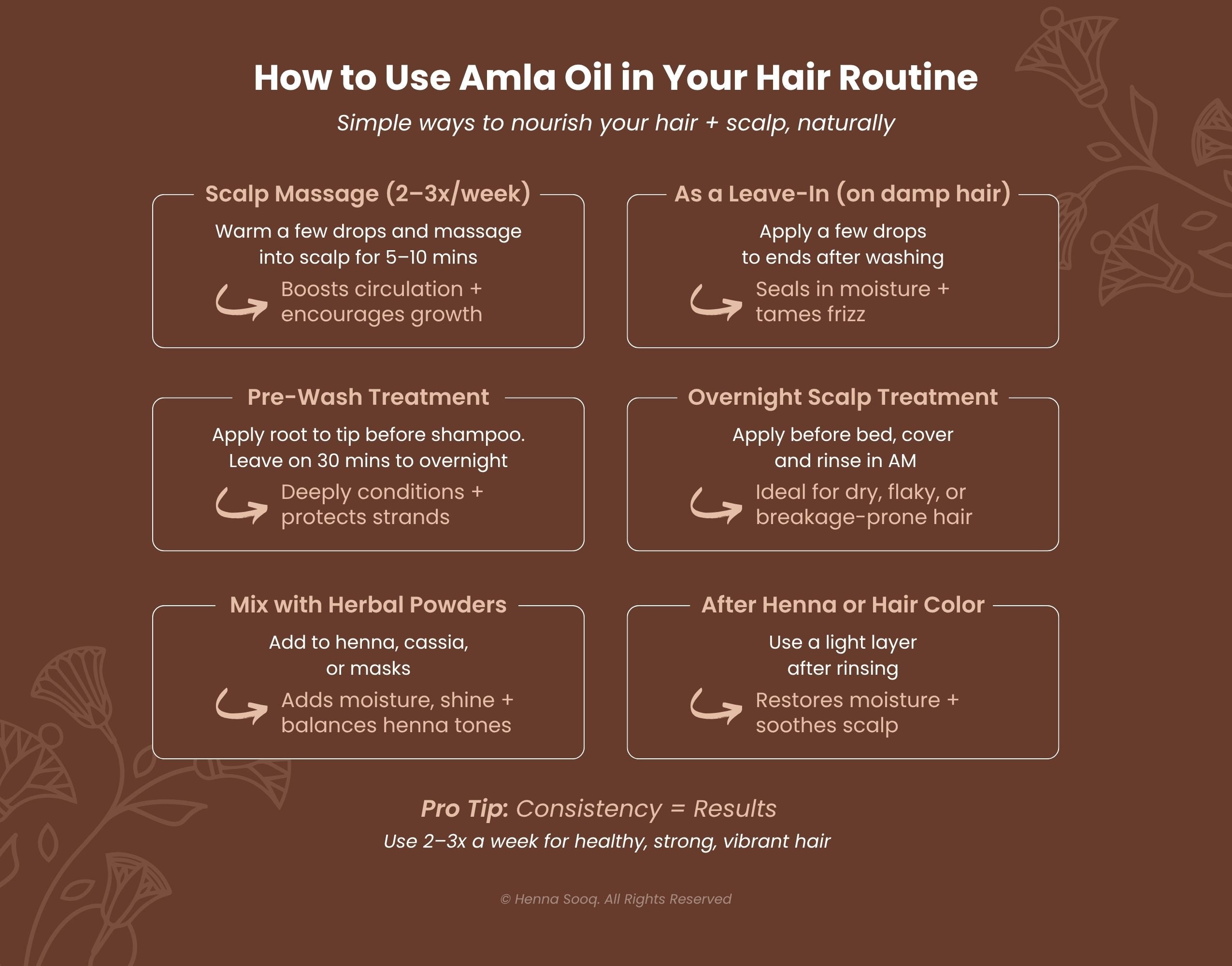
Follow these expert tips to get the best results from your amla hair mask.
Use organic amla powder without fillers or preservatives. Mix with warm, not boiling, liquid for better activation. Apply to damp, pre-washed hair for deeper penetration. Massage your scalp to boost blood flow. Wear a shower cap to retain heat and moisture. Avoid harsh sulfates after masking. Stay consistent with your routine. Eat a balanced diet rich in iron, protein, and vitamins. Detangle before masking to prevent breakage. Store dry blends in airtight containers for up to six months. Pair with amla oil treatments three to four times weekly. Patch test all new ingredients before full use.
Storage and Shelf Life
Fresh masks containing dairy, egg, or juice should be used immediately and never stored. Paste made with only oil and powder can refrigerate in a sealed container for up to two days. Discard immediately if you notice a sour smell or bubbles, which indicate fermentation.
Dry powder mixes like amla combined with shikakai can be stored in a cool, dark place for up to six months.
Frequently Asked Questions About Amla Powder Hair Masks
Can I apply amla powder directly to my hair?
No. Always mix amla powder with liquid or oil to form a paste before applying. Dry powder will not activate properly and may cause irritation or clumps that are difficult to rinse out.
How long should I leave an amla mask on?
Leave your mask on for 15 to 60 minutes depending on the recipe. Thirty minutes is ideal for most standard masks. Stronger formulas with lemon or onion can stay on up to 60 minutes.
Can I leave an amla mask overnight?
Leaving a mask on overnight is not recommended because it may cause excessive dryness. If you want to try overnight treatment, mix your mask with oil and cover with a shower cap.
Does amla reverse grey hair?
Amla may slow premature greying due to its high antioxidant content, but it cannot reverse genetic or age-related greying that is inherited.
Can I use amla mask on colored hair?
Yes, but avoid acidic ingredients like lemon juice that may strip your color. Stick with gentle bases like coconut oil, honey, or aloe.
Should I wash my hair before applying the mask?
Yes. Washing first removes buildup and allows better absorption of the nutrients. Apply to clean, damp hair for optimal results.
Does amla thicken hair over time?
Yes. Amla strengthens hair follicles, reduces thinning, and improves volume. Consistent use over four to six weeks produces visible thickening.
Can amla cause hair fall?
Some initial shedding may occur during a detox phase as your scalp adjusts. This typically resolves in two to three weeks. If excessive shedding continues, reduce frequency.
Does amla make hair darker?
Amla can enhance your natural pigment and may slightly darken hair over time, especially when combined with hibiscus or beetroot.
Is amla safe for sensitive scalps?
Amla is generally safe, but patch test first and use soothing bases like aloe vera or rosewater if you have sensitivity.
Key Takeaways for Healthier Hair with Amla Powder
Making an amla powder hair mask is simple, affordable, and highly effective when done correctly. Start with the basic amla and water mask to test your tolerance, then experiment with oils, yogurt, or herbal powders to match your specific hair needs.
Apply your mask one to three times per week depending on your hair type and concern. Massage your scalp thoroughly during application to boost circulation, and always follow up with gentle care including a good conditioner and protective oils.
Results take time. Expect to see visible improvements in hair strength, shine, and scalp health within four to six weeks of consistent use. Combine your mask routine with amla oil treatments and a nutrient-rich diet for the best possible results.
Your hair deserves the powerful benefits of amla. Try a mask today and let nature transform your locks from dull and weak to strong, shiny, and healthy.