If you’re dealing with dry, brittle, or damaged hair, you’ve probably tried a hair mask to restore moisture and shine. But here’s the confusion: how long should you actually leave a hair mask on dry hair? The answer depends on your mask type, hair texture, and porosity. While most masks work best on damp hair, certain oil-based and pre-shampoo treatments are specifically designed for dry application. Leaving a mask on too short a time limits results, but keeping it on too long can cause buildup, greasiness, or even breakage. This guide provides science-backed timing for every hair type so you can get maximum benefits without the risks.
This article covers exactly how long to leave each mask type on dry hair, which techniques improve absorption, and how to customize your routine based on your hair’s unique needs.
When to Apply a Hair Mask to Dry Hair
Not every hair mask belongs on dry hair. Using the wrong type can lead to poor absorption, uneven results, or scalp irritation. Understanding which formulas work on dry strands is essential before timing your treatment.
Oil-Based and Pre-Shampoo Masks Work Best on Dry Hair
Oil-based treatments and pre-shampoo masks should always be applied to dry, unwashed hair. This is because oils are hydrophobic, meaning they repel water. When you apply coconut, argan, or olive oil to wet hair, it sits on the surface rather than penetrating the hair shaft. On dry strands, these oils can seep into the cortex, reducing protein loss and locking in moisture before you shampoo.
These masks are ideal for pre-wash conditioning, protecting color-treated hair, and repairing heat damage. The dry application allows oils to bond with keratin without water interference.
Overnight Masks Are Designed for Extended Dry Use
Masks labeled as overnight or leave-in repair are formulated to stay on dry hair for hours. These rich butters and emollients slowly nourish without clogging follicles. Always protect your bedding with a satin bonnet or shower cap when sleeping with a mask. The trapped heat also enhances penetration for better results.
Standard rinse-out masks should never be left on overnight unless the product explicitly states it’s safe for extended wear.
Cream-Based Masks Usually Need Wet Hair
Most cream or rinse-out conditioners are designed for wet, towel-dried hair after shampooing. Their water-based formulas rely on open cuticles and moisture to deliver ingredients deep into the hair shaft. Applying them to dry hair limits absorption and requires more product for even coverage. Unless a cream mask is specifically labeled for pre-wash use, stick to damp application.
How Long to Leave It On: Timing by Mask Type
Timing determines whether your mask delivers results or causes problems. Here’s exactly how long to leave each type on dry hair.
Oil-Based Masks: 30 Minutes to 1 Hour

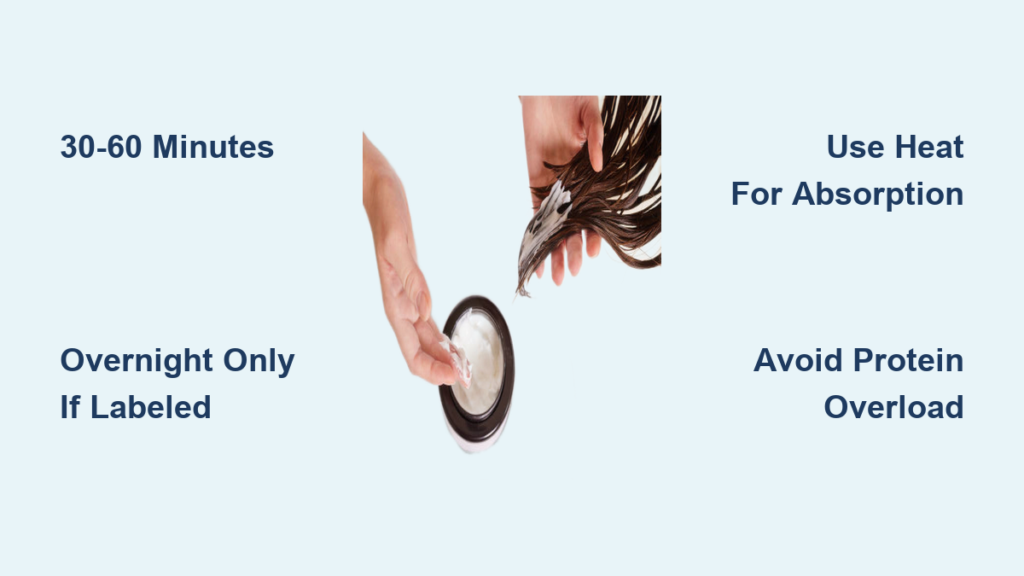
For most oil-based or intensive moisture masks, 30 to 60 minutes on dry hair is the sweet spot. This gives penetrating oils time to enter the cortex, especially for coarse, curly, or high-porosity hair. This duration works best for damaged, bleached, or tightly coiled hair types.
Enhance results by wrapping hair in a warm towel or sitting under a hooded dryer. Fine or low-porosity hair should stick to lighter oils and shorter times to avoid weighing down strands.
Set a timer when applying oil-based masks. It’s easy to overestimate how long you’ve been waiting, which leads to overuse and potential buildup.
Overnight Masks: 6 to 8 Hours
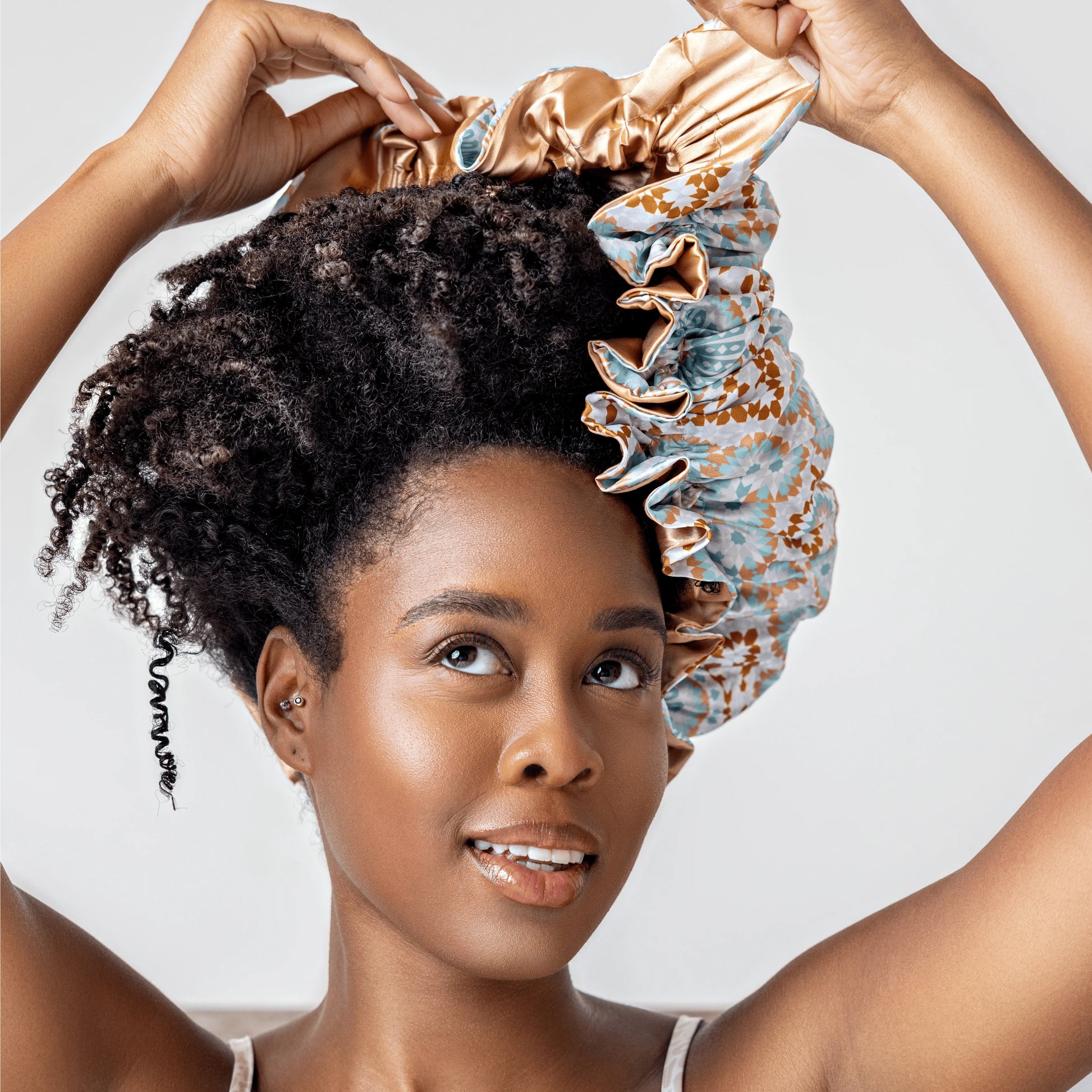
Leaving an overnight-safe mask on dry hair delivers intense restoration for severely dry or damaged strands. This method works especially well for hair that won’t retain moisture, post-chemical treatment recovery, and 4C or tightly coiled textures.
Only use this method if the product explicitly states it’s safe for overnight use. Check the label for phrases like leave-on or overnight repair before sleeping with any mask on your hair.
Protect your hair and bedding with a satin bonnet or shower cap. This prevents product transfer and reduces friction that can cause breakage while you sleep.
Protein Masks: 5 to 20 Minutes Maximum
Protein treatments strengthen weak, porous hair, but they require strict timing on dry hair. Limit exposure to 5 to 20 minutes max. Overuse causes protein overload, making hair stiff and prone to breakage.
Never leave protein masks on overnight unless the product is specifically formulated for extended wear. The science behind this is simple: protein fills gaps in the hair shaft, but too much disrupts flexibility and makes strands brittle.
How Hair Type and Porosity Affect Timing

Your hair’s texture and porosity determine how long a mask should stay on. One timing rule does not fit all.
Fine or Oily Hair: 15 to 30 Minutes Maximum
Fine strands absorb products quickly but get weighed down easily. Even on dry hair, limit oil-based masks to 15 to 30 minutes and avoid applying product near the roots. Use lightweight oils like jojoba or argan and avoid heavy butters near the scalp.
Thick, Coarse, or Curly Hair: 1 to 2 Hours or Overnight
Curly and coily hair types are naturally drier because curl patterns limit natural oil distribution from scalp to ends. These types benefit from longer dwell times on dry hair.
Ideal timing for curly and coily hair is a 1-hour oil treatment or an overnight moisture mask. Boost results by using heat and covering with a shower cap. In dry climates, extend the time to combat moisture loss.
Color-Treated or Chemically Processed Hair: 45 to 90 Minutes
Bleached, permed, or relaxed hair has higher porosity and needs protection before washing. A pre-shampoo oil treatment on dry hair for 45 to 90 minutes helps prevent further damage during cleansing. Focus application from mid-lengths to ends where most damage occurs.
Low-Porosity Hair: 10 to 20 Minutes With Heat
Low-porosity hair has tightly closed cuticles that make it hard for oils to penetrate. On dry hair, limit time to 10 to 20 minutes unless using heat. Warm towels, steamers, or hooded dryers help open the cuticle for better absorption.
Avoid overnight treatments on low-porosity hair. Product sits on the surface causing buildup rather than penetrating the shaft.
High-Porosity Hair: 30 Minutes to Overnight
High-porosity hair soaks up moisture fast but loses it just as quickly. On dry hair, 30 minutes to overnight conditioning helps lock in nutrients. This porosity level commonly results from bleaching, heat damage, or aging.
Rotate between protein and moisture masks weekly to maintain both strength and softness.
Boost Results: Techniques for Better Absorption
Leaving a mask on longer only works if ingredients actually penetrate your hair. Use these proven methods to enhance absorption.
Apply Heat for Deeper Penetration
Heat increases molecular movement, helping oils and conditioners bond to keratin. Effective methods include a warm towel wrap after application, a hooded dryer for 20 to 30 minutes, or a heated cap device.
Research shows heat can increase coconut oil absorption by up to 50 percent, making this technique worth the extra effort.
Cover with a Shower Cap
A plastic or silicone shower cap traps body heat and prevents oils from transferring to clothes or bedding. Silicone caps retain heat better than standard plastic, while satin-lined caps reduce friction during overnight use.
Comb Through for Even Distribution
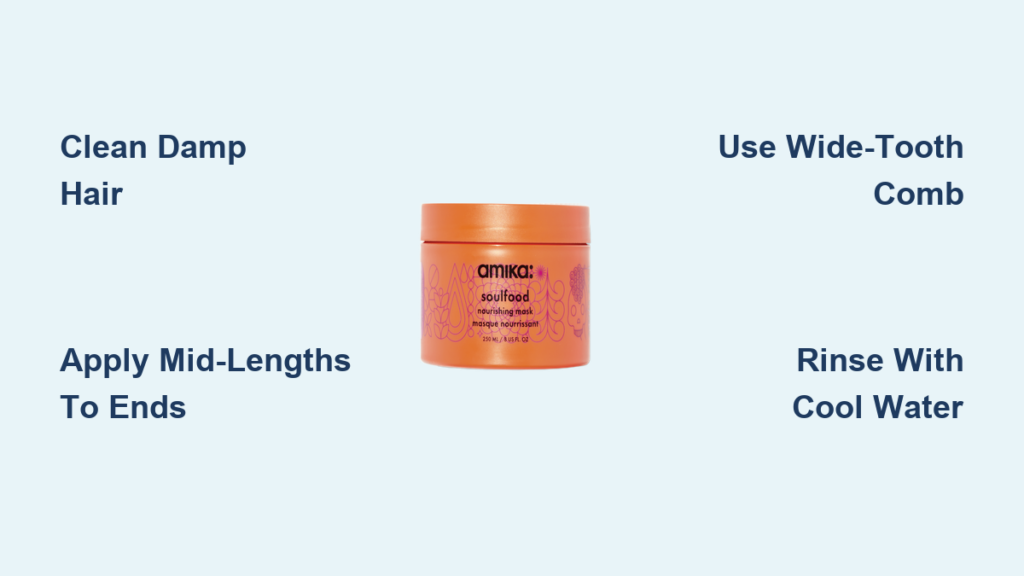
After applying mask to dry hair, use a wide-tooth comb to spread product from mid-lengths to ends. This prevents patchy treatment, helps detangle without breakage, and ensures every strand receives nourishment.
Massage Scalp If Dry or Itchy
For dry scalp conditions, gently massage a nourishing oil mask into the scalp to boost circulation and hydration. Avoid heavy application on oily scalps, as this can clog follicles and increase greasiness.
How Often to Use a Mask on Dry Hair
Frequency depends on your hair’s needs, not a fixed schedule.
Mild Dryness: Once a Week
A 30-minute pre-shampoo oil treatment weekly maintains moisture balance without causing buildup.
Moderate to Severe Dryness: 2 to 3 Times Weekly
For chronically dry or damaged hair, repeat treatments every 2 to 3 days. Alternate between moisture and protein masks to avoid overloading either type.
Curly or Coily Hair: 2 to 3 Times Weekly
Due to natural dryness, type 3 and 4 hair thrives on frequent conditioning. Use heat or overnight methods for best results.
Fine or Oily Hair: Once Weekly with Lightweight Formulas
Stick to light oils and short durations to avoid flatness. Watch for signs of buildup like heaviness or dull appearance, and reduce frequency if needed.
Choosing the Right Mask for Dry Hair

Not all masks work on dry hair. Pick one that matches your hair’s needs and is formulated for dry application.
Look for These Ingredients
Choose masks containing coconut oil to reduce protein loss, shea butter for deep moisture in coarse textures, glycerin to attract moisture from humid air, and hydrolyzed keratin to strengthen without weighing hair down.
Avoid These Ingredients
Skip heavy silicones like dimethicone that build up with frequent use, alcohol denat. that dries hair, and harsh sulfates that strip color.
Check the Label First
Look for phrases like pre-shampoo treatment, overnight repair, for dry damaged or curly hair, or safe for extended wear. When in doubt, assume a rinse-out mask should not stay on dry hair longer than 30 minutes.
Risks of Leaving a Mask On Too Long
More time does not always mean better results. Overuse can backfire.
Buildup and Greasiness
Especially in fine or low-porosity hair, extended use leads to residue that dulls shine and weighs strands down. If hair feels heavy or looks dull after treatment, you may be leaving the mask on too long.
Scalp Irritation or Clogged Follicles
If product reaches the scalp and isn’t rinsed thoroughly, it can cause itchiness, folliculitis, or excess oil production. Apply masks away from the roots if you have an oily scalp.
Protein Overload
Leaving a protein mask on dry hair too long makes hair brittle. Signs include hair that snaps easily, feels stiff or straw-like, and lacks elasticity. Always follow label instructions for protein treatments.
How to Rinse After Dry Hair Masking
Proper rinsing ensures benefits without residue.
Shampoo thoroughly to remove all oils and mask remnants. Use a gentle cleanser, and consider double washing if heavy oils were used. Follow with a light conditioner on ends if needed, especially for curly hair.
Clarify monthly with a clarifying shampoo every 2 to 4 weeks to prevent buildup from frequent masking.
Frequently Asked Questions About Leaving Hair Masks on Dry Hair
Can I leave a hair mask on dry hair overnight?
Only if the product explicitly states it’s safe for overnight or extended wear. Standard rinse-out masks can cause buildup, scalp irritation, and protein overload if left on too long. Use a satin bonnet to protect bedding and hair.
How long should I leave an oil-based mask on dry hair?
Oil-based masks work best on dry hair for 30 minutes to 1 hour. Curly, coarse, or high-porosity hair can benefit from up to 2 hours or overnight if the product allows. Use heat to enhance penetration for low-porosity hair.
Does dry hair absorb hair mask better than wet hair?
For oil-based and pre-shampoo masks, yes. Oils repel water, so applying them to wet hair prevents deep penetration. For cream-based masks, wet hair is still better because open cuticles allow deeper ingredient absorption.
What happens if I leave a hair mask on too long?
Risks include product buildup causing greasiness and dullness, scalp irritation or clogged follicles, and protein overload making hair brittle and prone to breakage. Always follow product-specific guidelines.
How often should I apply a hair mask to dry hair?
Frequency depends on hair type and condition. Mild dryness benefits from once weekly. Moderate to severe dryness or curly hair responds well to 2 to 3 times weekly. Fine or oily hair should stick to once weekly with lightweight formulas.
Can I use a protein mask on dry hair?
Yes, but limit it to 5 to 20 minutes maximum. Protein masks can cause overload if left on too long, making hair stiff and breakable. Never leave protein masks on overnight unless specifically formulated for extended wear.
Key Takeaways for Using Hair Masks on Dry Hair
The right timing transforms dry, damaged hair into hydrated, resilient locks. Oil-based and pre-shampoo masks are specifically designed for dry application and work best when left on for 30 minutes to 1 hour, with overnight options for severely dry or curly hair types. Always check the product label first, as manufacturer instructions override general advice.
Your hair type and porosity significantly impact optimal duration. Fine or low-porosity hair needs shorter times and lighter products, while thick, coarse, or high-porosity hair can benefit from extended treatment. Enhance results with heat, shower caps, and proper comb-through distribution.
Track how your hair responds over time. Adjust frequency if you notice buildup, greasiness, or loss of volume. With the right mask, proper timing, and techniques tailored to your hair’s needs, you can achieve softer, stronger, more manageable hair.